
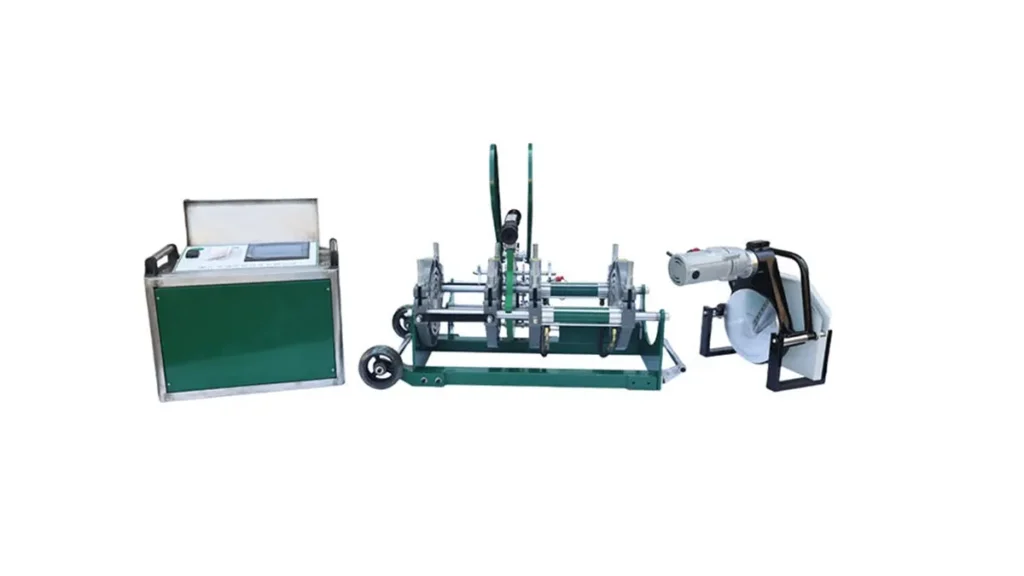
Estonia’s growing infrastructure projects—municipal water upgrades, rural heating networks, and industrial piping for manufacturing and mining—need reliable poly pipe fusion equipment that performs in cold climates and tight jobsite conditions. JQ-Fusion (https://jq-fusionwelding.com/) supplies a wide range of HDPE welding machines designed for durable, leak-free joints across Estonia’s cities and countrysides.
Why Butt Fusion Machines Matter for Estonian Projects
Butt fusion welding is the industry standard for long-lasting HDPE pipe networks. In Estonia, where freeze-thaw cycles and strict EU construction standards matter, choosing the right fusion equipment reduces repair frequency and ensures system integrity for decades. Contractors working in Tallinn, Tartu, Pärnu, and remote municipalities benefit from machines that offer repeatable, documented welds and easy on-site setup.
Typical Applications
- Municipal water supply upgrades and replacements
- District heating and geothermal piping where thermal stress resistance is required
- Industrial and mining pipe networks requiring high chemical and abrasion resistance
- Rural gas distribution and service connections (where applicable) and agricultural irrigation systems
Equipment Types and Quick Selection Guide
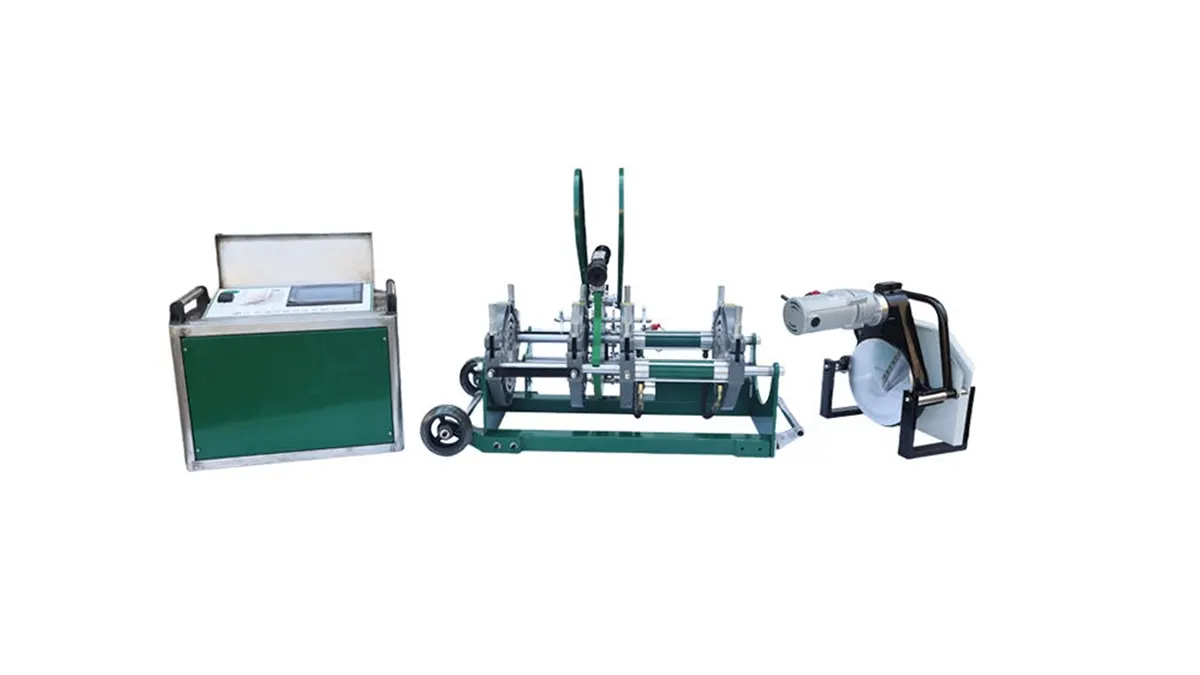
Selecting the right machine depends on pipe diameter, site mobility needs, and automation level. Below is a concise comparison of common machine types used on Estonian projects:
| Model / Type | Pipe Range | Best For | Key Benefit |
|---|---|---|---|
| Automatic Butt Fusion (JQA series) | 63–630 mm | Medium-to-large municipal lines | High repeatability, digital control |
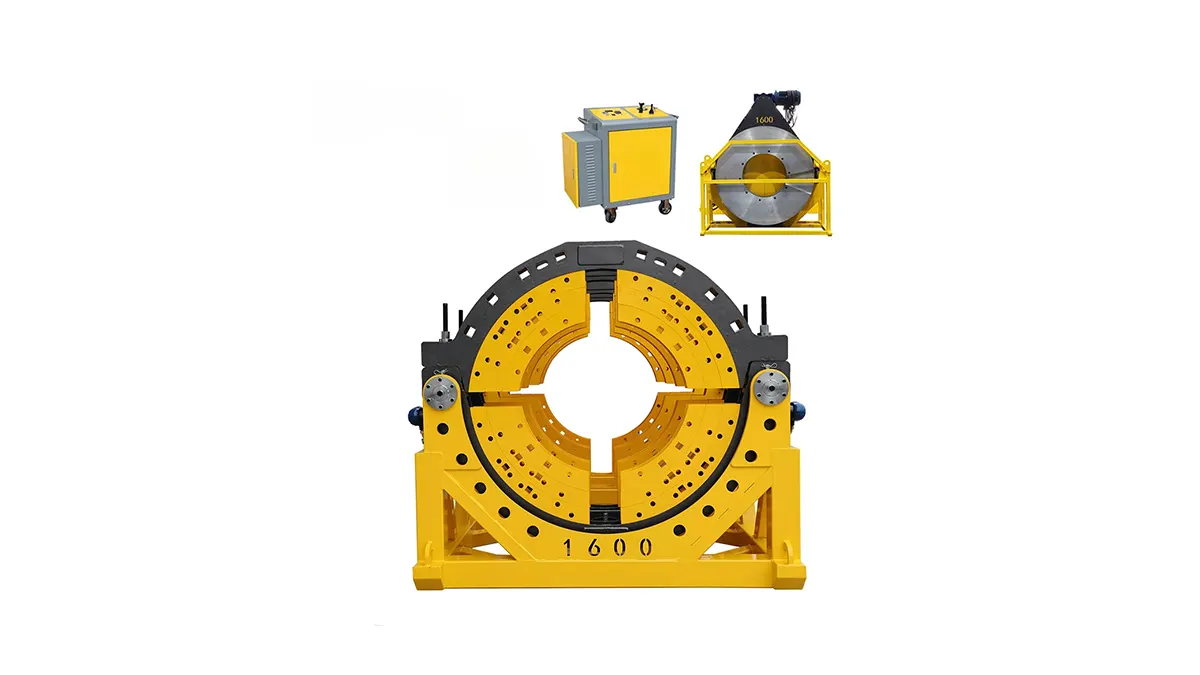
| Hydraulic Butt Fusion (H series) | 160–2250 mm | Large-diameter mains and industrial piping | Powerful clamping, stable in-field performance |
| Manual & Portable (SY / ST series) | 20–315 mm | Service lines, remote sites, small diameter | Lightweight and easy to transport |
Key Features to Prioritize
- Repeatable digital controls for traceable weld records
- Robust hydraulic systems for consistent pressure in cold temperatures
- Portable frames and quick mounting to fit narrow urban trenches typical in old Estonian towns
- EU compliance (CE marking) and easy-to-source spare parts for fast maintenance
Practical Tips for Working Across Estonia
Plan weld operations around seasonal constraints: frost can affect pipe handling and fusion settings, so preheating and correct cooling times are essential. For projects near the coast or in industrial zones, choose materials and machines rated for higher humidity and salt exposure. Keep documentation for each weld to satisfy municipal inspectors and ensure long-term warranties.
Service, Training & Spare Parts
Local contractors and municipal teams should verify the supplier offers training on-site or remotely, spare part logistics to Tallinn/Tartu, and responsive technical support. Machines with modular components simplify repairs and reduce downtime on tight project schedules.
Request a Quote or Technical Advice
If you need a tailored recommendation for a municipal, industrial, or rural piping project in Estonia, request a quote and technical data through the official site: Contact & Quotes. Provide pipe diameter, project location, and expected operating temperatures to speed up the selection process.



