
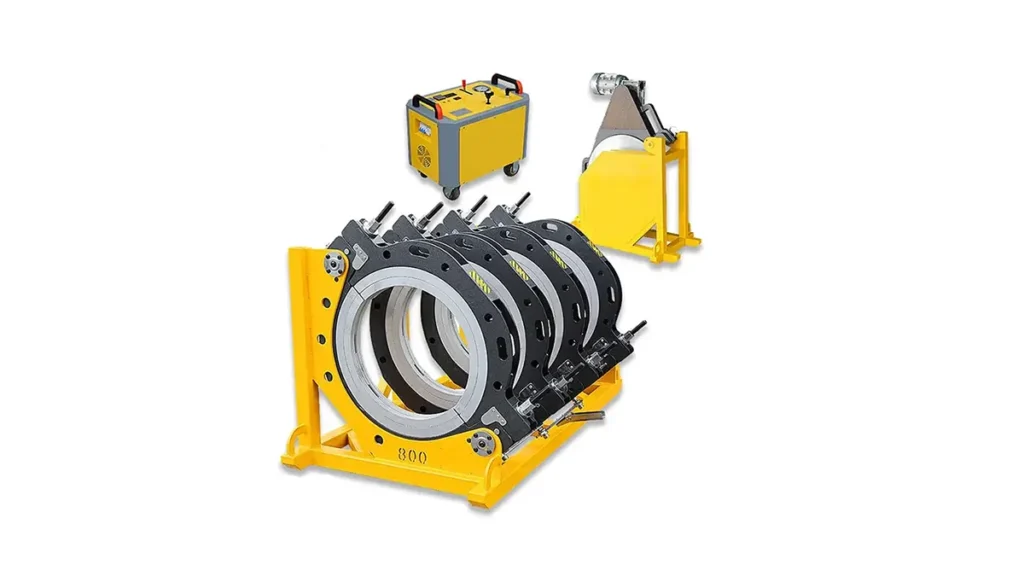
Selecting the right butt fusion machine in Romania can make the difference between a long-lasting pipeline and costly rework. Whether you’re working on municipal water networks in Bucharest, gas distribution in Transylvania, or irrigation systems across the plains of Oltenia, understanding machine types, site constraints, and local standards will help you choose the best equipment for the job.
Why butt fusion is preferred in Romania
Butt fusion offers a robust, long-term joint for HDPE pipes that resists corrosion and ground movement — important for Romania’s mixed terrain and freeze-thaw climate. Contractors and utilities value fusion for its leak-free performance on water, gas, and industrial pipelines under EU regulatory expectations.
Common machine categories
Manual (frame) machines: Portable, low-cost, ideal for small-diameter pipes and local repair crews.
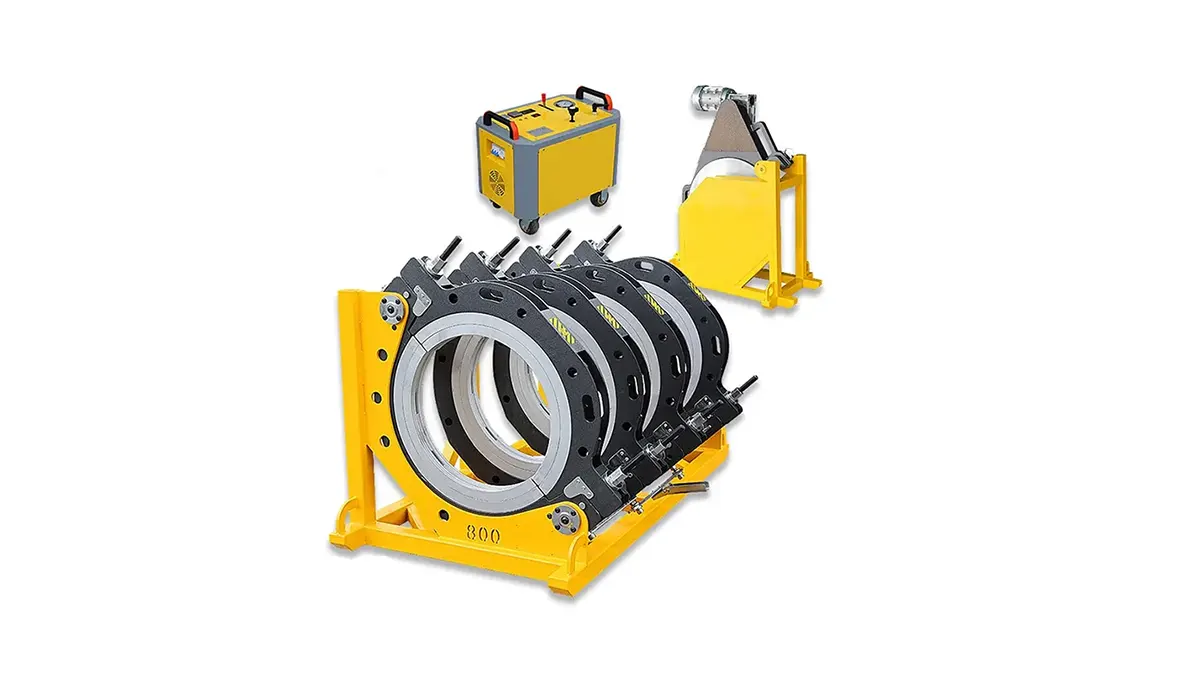
Hydraulic machines: Offer higher clamping force and consistent pressure — preferred for medium-to-large diameter pipelines and busy construction seasons.
Automatic / CNC machines: Provide precise control, data logging, and speed for large projects and contractors complying with strict QA/QC standards.
How to choose the right butt fusion machine for your needs
1. Match machine type to project scale
-
Small maintenance teams and rural works: Manual frames for 20–160 mm pipes.
-
Regional pipeline contractors: Hydraulic machines for 160–800 mm and above, balancing mobility and power.
-
Major infrastructure and long runs: Automatic/CNC systems for high-throughput, traceable weld records and larger diameters.
2. Consider pipe diameter range and clamp system
Select a machine that covers the full diameter range you’ll weld. Some hydraulic models include modular clamps or adapters to reduce costs when projects cover mixed sizes.
3. Portability vs. production speed
If you work on scattered rural sites in Romania (mountain villages, remote gas hookups), prioritize portability and quick setup. For pipeline mains near industrial centers, prioritize production speed and data features.
4. Local regulations, standards, and certification
Romanian public works often require documented welding parameters and traceability that automatic machines provide. Check compliance with EN and ISO recommendations for fusion procedures.
Quick comparison table
| Machine Type | Typical Pipe Range | Best For | Pros / Cons |
|---|---|---|---|
| Manual Frame | 20–160 mm | Repairs & small networks | Low cost / Slower, operator-dependent |
| Hydraulic | 63–1200 mm (model-dependent) | Regional mains & construction | Consistent pressure / Heavier, needs transport |
| Automatic / CNC | 160–2250 mm+ | Large projects, QA/QC driven | High precision & log records / Higher initial investment |
Practical tips for buyers in Romania
-
Ask about spare parts and service within the EU or nearby distributors to minimize downtime.
-
Verify documented welding programs for public tenders — automatic machines simplify compliance.
-
Consider weatherproof storage and transport if machines will be used outdoors during winter months.
-
Language and training: choose machines with manuals and HMI support in Romanian or a commonly used language among your crew.
Maintenance, training and warranty
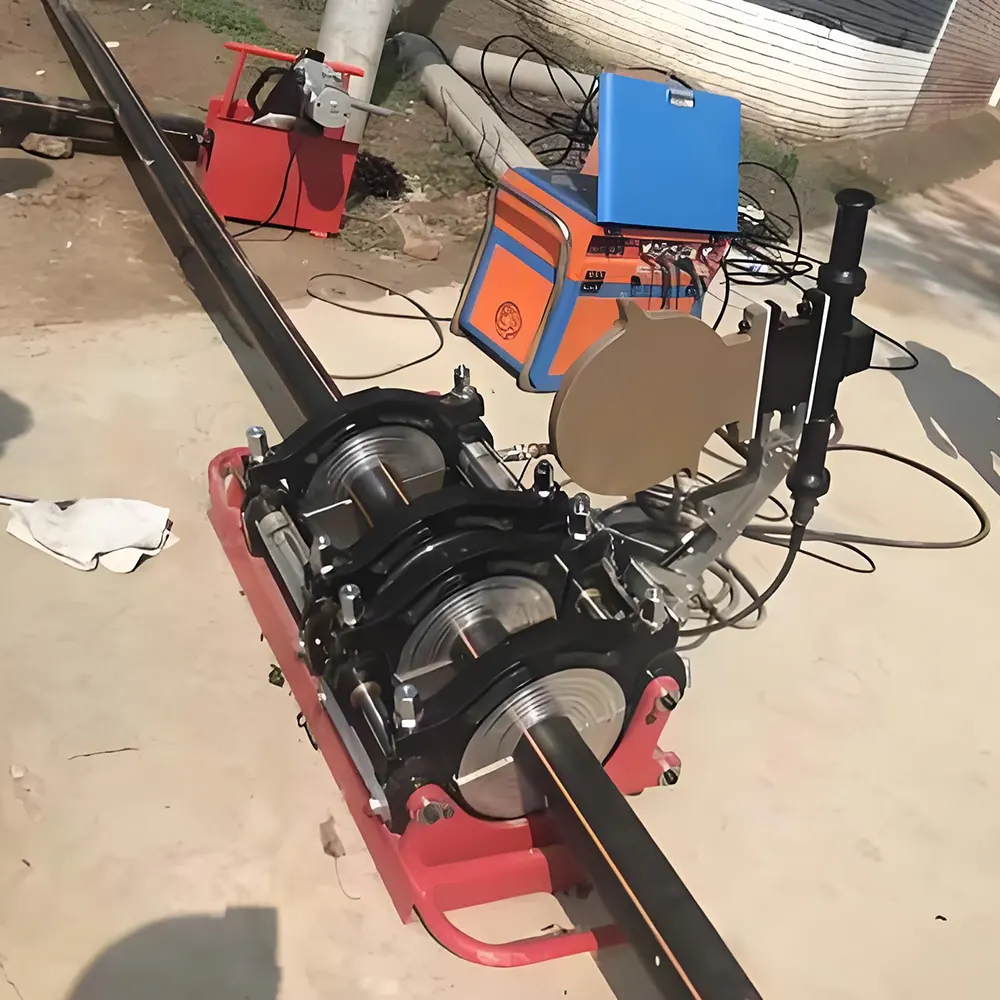
Routine checks of heaters, hydraulic lines, and clamps are essential for consistent welds. Invest in operator training and validate welds using visual and non-destructive testing methods recommended by EN standards. A clear warranty and local service network will reduce lifecycle costs.
Selecting a supplier
Choose a manufacturer or distributor who can provide technical support, clear documentation, and spare parts. For reliable butt fusion solutions, consider suppliers with proven HDPE welding experience and global project references such as JQ-Fusion.
Final checklist before purchase
-
Pipe diameter range and clamp adaptability
-
Automation level and data logging requirements
-
On-site power availability and machine weight for transport
-
Local support, training, and spare parts access
-
Compliance with EU/EN welding procedure expectations
Choosing the right butt fusion machine in Romania comes down to matching machine capability to your project scope, ensuring regulatory compliance, and confirming reliable local support for maintenance and spare parts. The right investment improves installation speed, reduces leaks, and delivers durable infrastructure across Romania’s varied construction environments.



