
Searching for a reliable butt fusion machine supplier in Ecuador can be straightforward if you know what to look for. This guide helps contractors, municipal engineers, and private developers across the Andes, coastal provinces, and Amazon basin choose the right HDPE pipe welding equipment for local projects—from rural irrigation systems to urban water and gas distribution networks.
Why Butt Fusion Suits Ecuador’s Infrastructure Needs
Durability and leak-free joints are essential for Ecuador’s varied climates. Butt fusion creates homogeneous joints that resist corrosion, seismic stress, and ground movement—critical for mountain pipelines and coastal installations alike. Local installers benefit from machines that are portable for remote highland sites and robust for large-diameter trunk lines.
Key Supplier Attributes to Check
Supplier reputation: verify real project references in Ecuador or neighboring Andean countries. Projects in Quito, Guayaquil, or coastal provinces demonstrate real-world performance under tropical humidity and UV exposure.
After-sales support: prioritize suppliers offering local warranty support, spare parts, and Spanish-language technical guidance to minimize downtime on site.
Machine versatility: for contractors who work on irrigation canals one week and urban networks the next, choose equipment that supports a wide pipe size range and easy field setup.
Common Machine Types and Use Cases
| Machine Type | Typical Pipe Range | Best For | Key Feature |
|---|---|---|---|
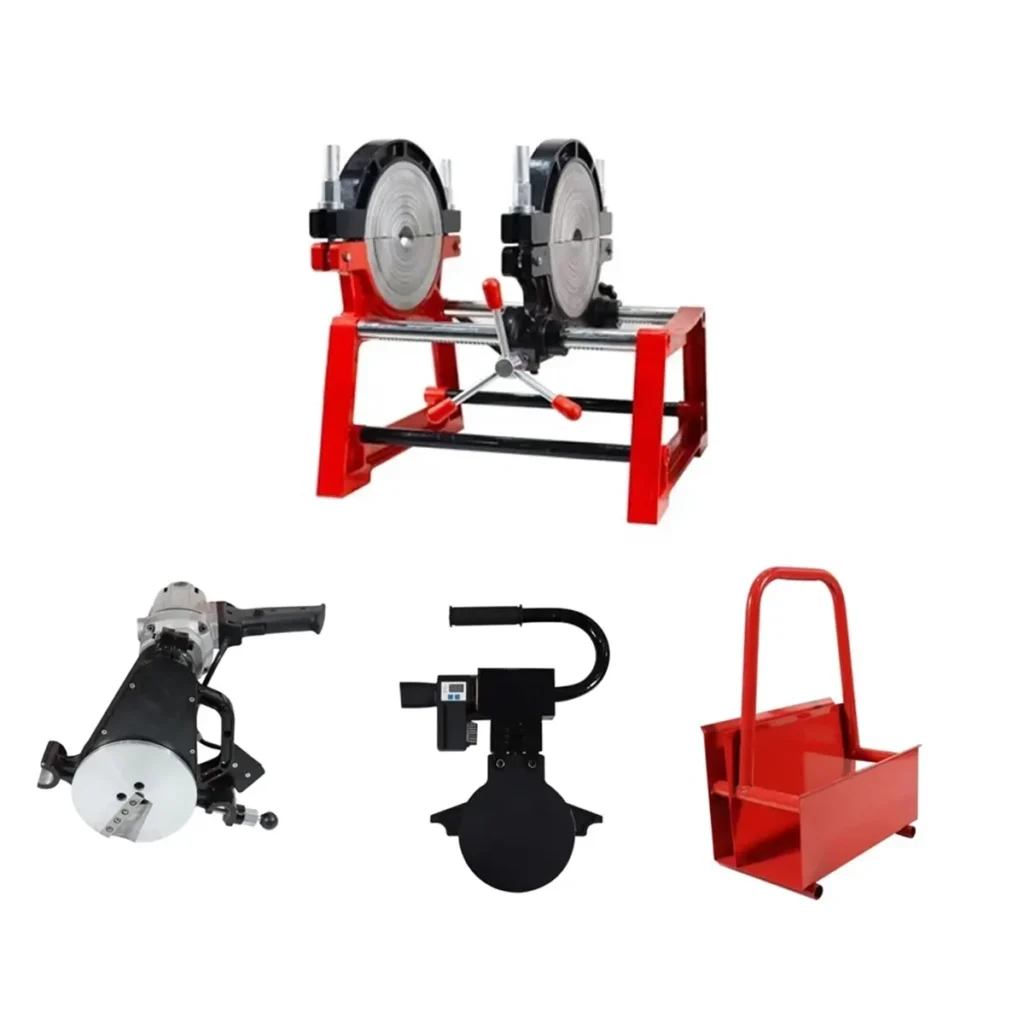
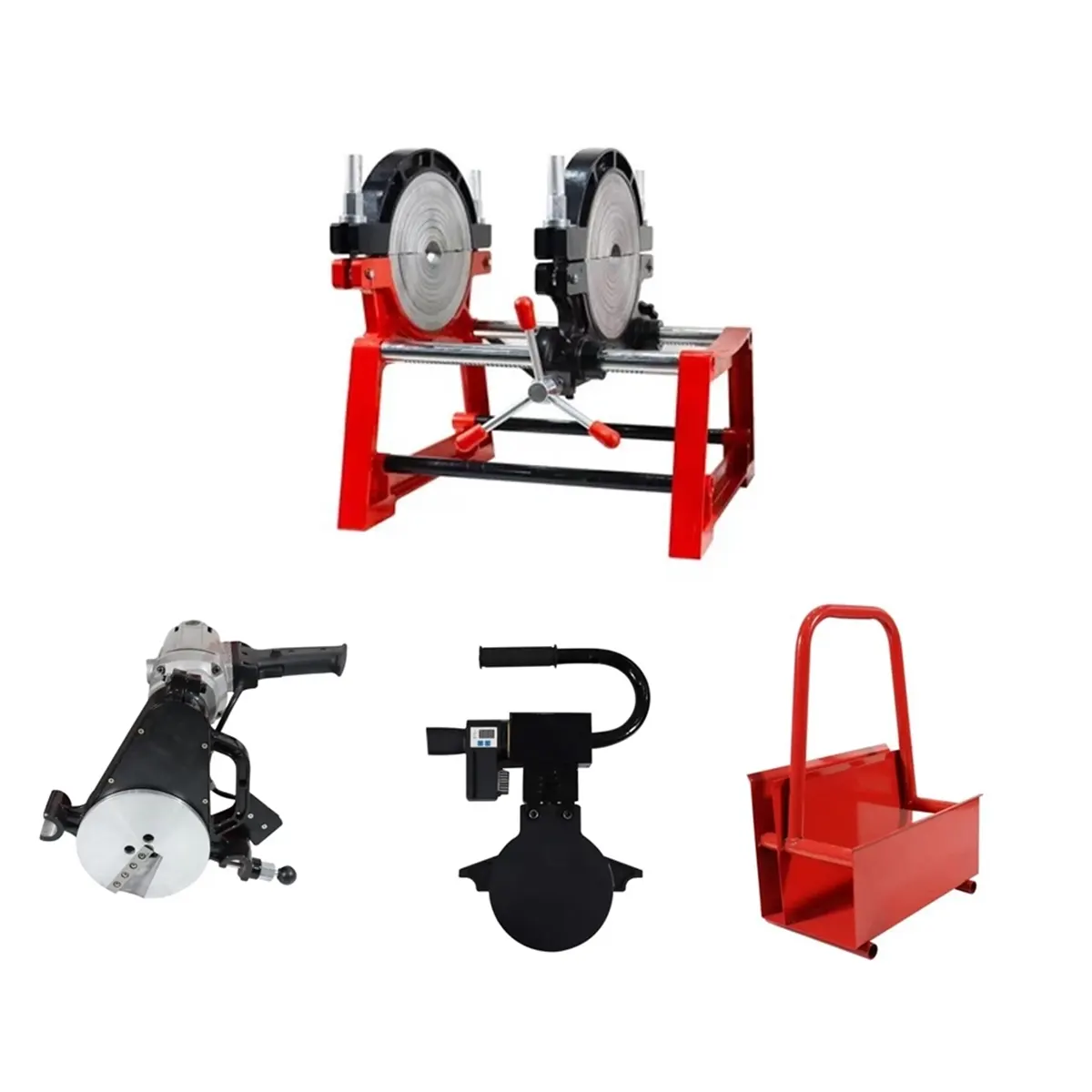
| Manual Butt Fusion | 20mm–160mm | Rural irrigation, small repairs | Lightweight, portable |
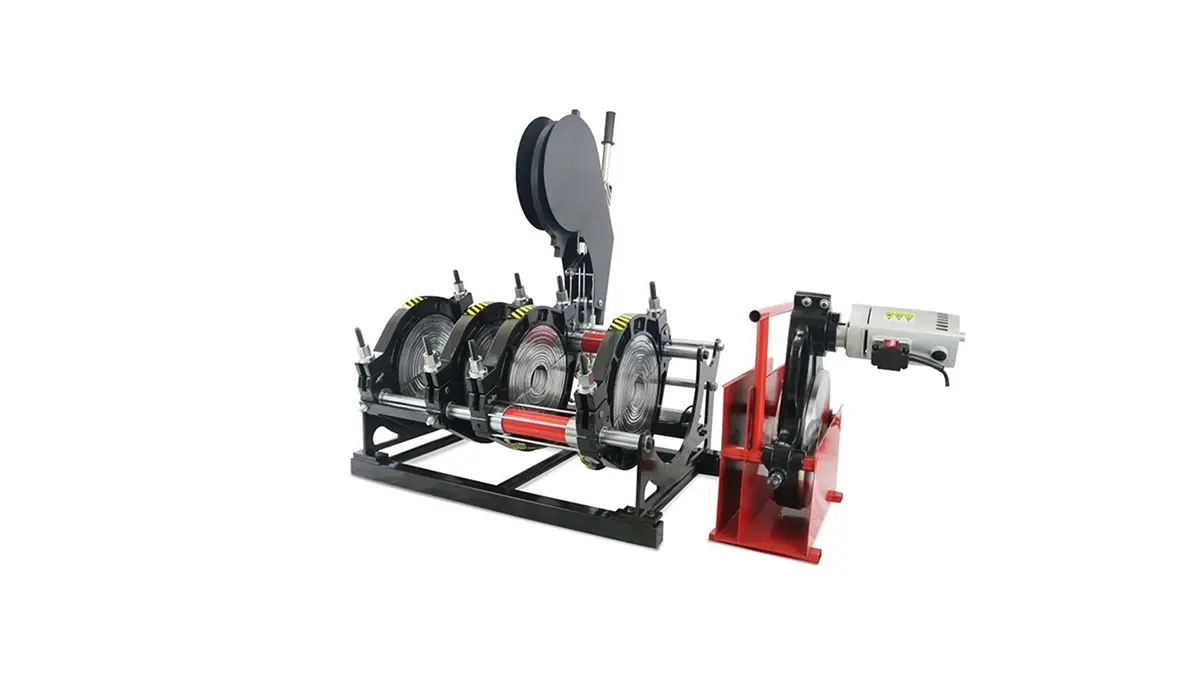
| Hydraulic Butt Fusion | 160mm–800mm+ | Municipal water, gas distribution | Powerful clamps, precise alignment |
| Automatic / CNC | 63mm–2000mm+ | Large-diameter trunk pipelines, industrial | Programmable cycles, data logging |
Where to Source in Ecuador
Local distributors and regional agents in Guayaquil and Quito are convenient for fast service and spare parts. For specialized machines, importing directly from experienced manufacturers can be cost-effective—especially when you need custom fixtures for large-diameter HDPE lines used in oil, mining, or major municipal projects.
Ports like Guayaquil and Manta facilitate shipments; plan customs paperwork and ask for shipping terms (FOB/CIF) up front to avoid delays. Many Ecuadorian contractors prefer suppliers who can provide training in Spanish and on-site commissioning at the first installation.
Questions to Ask Potential Suppliers
Do you provide: calibration certificates, welding procedure documentation, local technical training, spare parts lists, and an accessible warranty?
Also request demonstration videos or on-site trials, and check whether the supplier logs weld parameters for QA/QC—important for public tenders and long-term maintenance records.
Financing, Delivery and Local Support
Consider suppliers offering flexible financing or leasing for larger automatic units. Confirm lead times, packaging for long shipments, and whether maintenance contracts or remote diagnostics are available to reduce downtime on remote highland or Amazonian sites.
A Practical Next Step
For direct factory sourcing with a broad HDPE welding product line and global project experience, consider contacting JQ-Fusion: https://jq-fusionwelding.com/ for specification sheets, availability, and tailored recommendations for projects across Ecuador.



