
Choosing the right butt fusion machine for HDPE piping projects in the Maldives requires matching equipment to island conditions, logistics limits, and the unique demands of coastal infrastructure. This guide helps contractors, municipal planners, and resort developers select the optimal machine—manual, hydraulic, or CNC automatic—so projects run reliably in tropical, salt‑exposed environments.
Why Butt Fusion Works Well in the Maldives
Butt fusion creates seamless, leak-free joints ideal for water supply, wastewater, and gas distribution across the Maldivian atolls. The welded HDPE joints resist corrosion from saltwater and chemicals, tolerate ground movement, and deliver long service life—critical where frequent maintenance trips between islands increase cost and downtime.
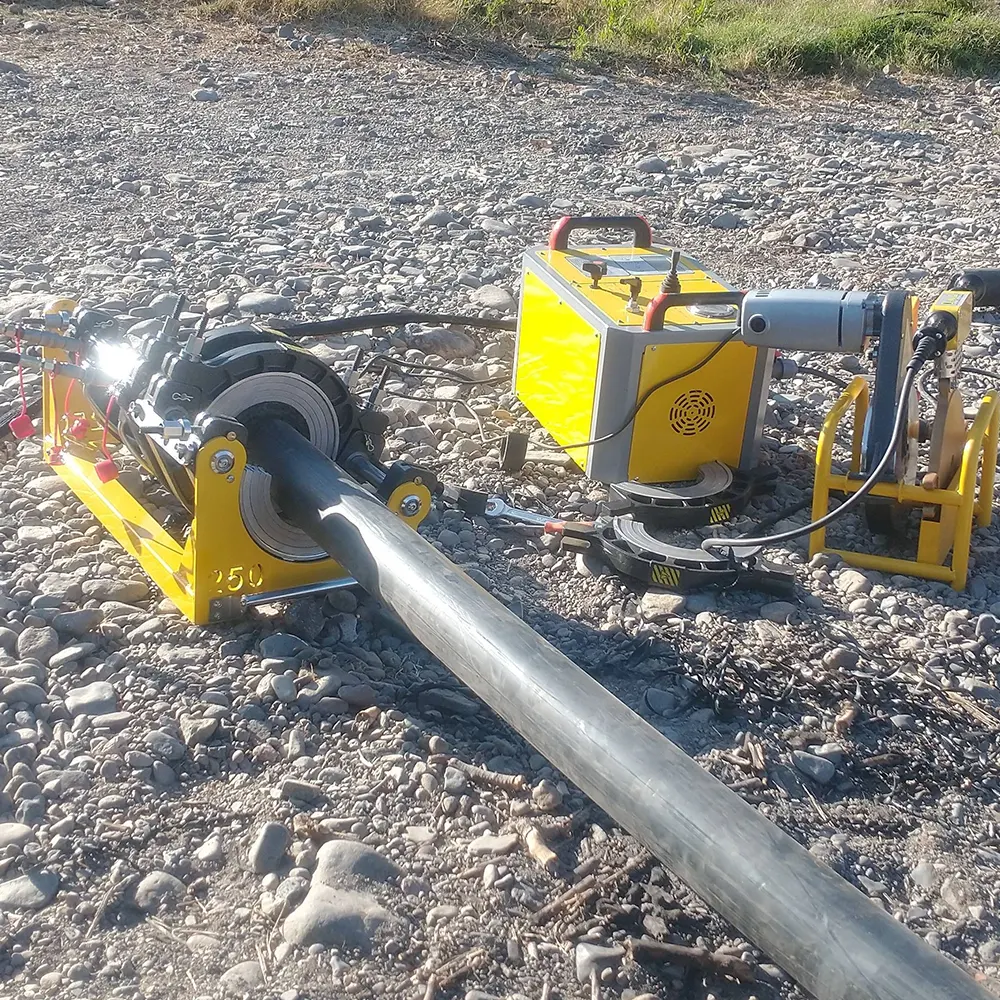
Types of Butt Fusion Machines — Quick Overview
Manual machines: Simple, lightweight units ideal for small-diameter pipes (typically 20–315mm). Best for remote islands and teams needing portability.
Hydraulic machines: Offer greater clamping force and stability for medium to large diameters (160–1000mm+). Good for base island workshops and larger utility projects.
CNC automatic machines: Provide precise control, data logging, and repeatable cycles for industrial or long-run pipeline work (especially >250mm). They reduce operator variability and are suited for major resort, municipal, or industrial installations.
Comparison Table — Manual vs Hydraulic vs CNC Automatic
| Feature | Manual | Hydraulic | CNC Automatic |
|---|---|---|---|
| Typical pipe range | 20–315mm | 63–1250mm | 63–2000mm |
| Portability | High | Medium | Low (bulkier) |
| Operator skill required | Moderate | Skilled | Trained + technical support |
| Cycle speed | Slower | Faster | Fastest + consistent |
| Best for | Small repairs, lateral connections | Mainlines, medium projects | Large networks, high QA requirements |
How to Choose the Right Machine for Your Maldives Project
1. Match machine to pipe diameter and project scale. Small island water lines and house connections often need manual machines, while community water supply mains require hydraulic or CNC equipment.
2. Assess logistics and portability. If you must move equipment by boat or small cargo plane between atolls, choose compact, easy‑to‑assemble models and plan for protective packaging against salt spray.
3. Power and fuel availability. Manual machines need minimal power; hydraulic and CNC units may require generators or stable power—confirm local fuel/power logistics.
4. Operator skill and training. CNC systems deliver consistency but need trained technicians. For local crews, factor in training time or on-site support.
5. Corrosion and climate resilience. Choose machines with corrosion-resistant finishes and sealed electronics to withstand humidity, salt air, and monsoon conditions.
Local Considerations for Maldives Installations
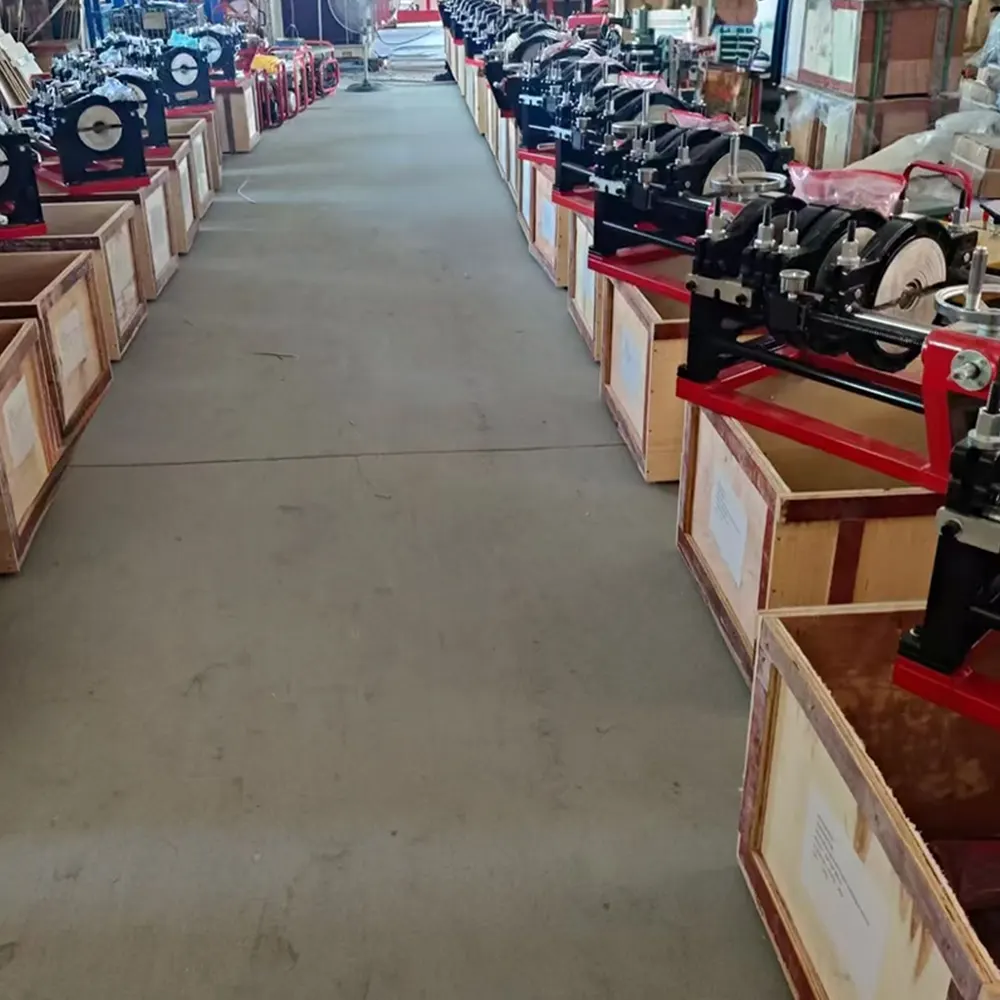
Island projects are influenced by seasonal weather, limited workshop facilities, and tourism-sensitive timelines. Prioritize quick setup machines for repair work on resort properties, and plan for spare parts inventory when operating far from mainland suppliers.
For municipal or inter-island mains, coordinate shipments and customs clearance in advance and include contingency for generator rentals and trained welders.
Procurement & After‑Sales — One Manufacturer to Note
When selecting a supplier, evaluate warranty terms, spare-parts availability, and technical training. JQ-Fusion offers a range of manual, hydraulic, and CNC butt fusion machines with support for project specification and spare parts supply—helpful when operating across multiple Maldivian islands.
Quick Buying Checklist
• Confirm pipe diameter range and material (HDPE SDR ratings).
• Decide on portability vs. throughput (manual vs. hydraulic vs. CNC).
• Verify local power/generator compatibility and site access.
• Ask about corrosion protection, sealed controls, and coastal durability.
• Secure training and spare parts before mobilization.
Final tip: For most small island repair jobs choose a reliable manual or compact hydraulic unit; for larger municipal or resort network projects, invest in hydraulic or CNC machines to ensure consistent, certified welds and long-term reliability in the Maldivian environment.



