
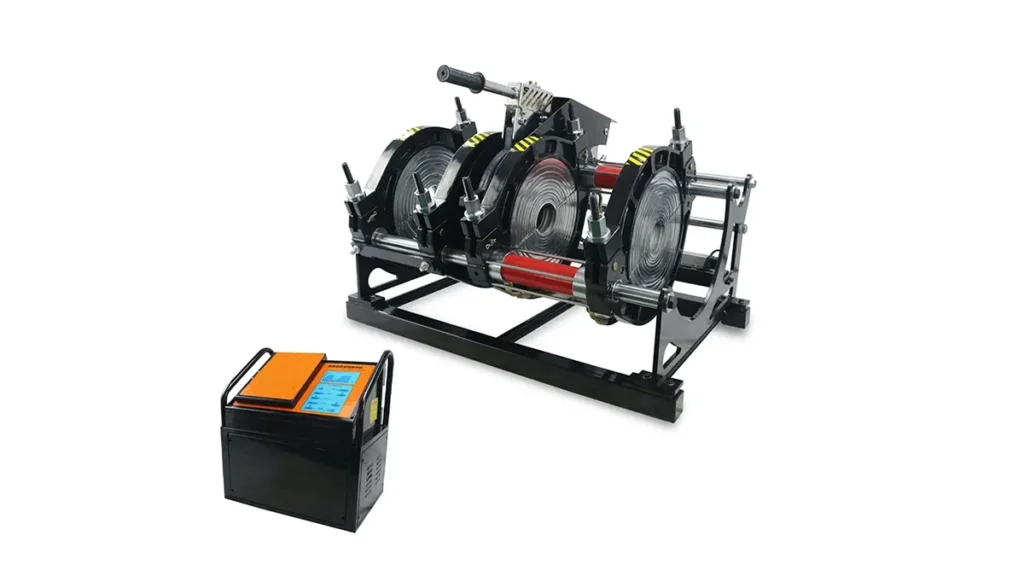
Butt fusion machines are essential for reliable HDPE pipe joining across Hungary’s water supply, gas distribution, agriculture irrigation and district heating projects. This guide explains where to buy in Hungary, how to choose the right unit for your project, and practical considerations — from standards and logistics to training and after-sales support.
Where to Buy in Hungary
Hungarian contractors and utilities typically source butt fusion welding machines from three channels: local distributors and rental houses, European stockists, or direct from international manufacturers. Major hubs for industrial equipment in Hungary include Budapest, Debrecen, Szeged and Miskolc, where many suppliers or authorized service partners maintain demo units and spare parts.
Common purchase options
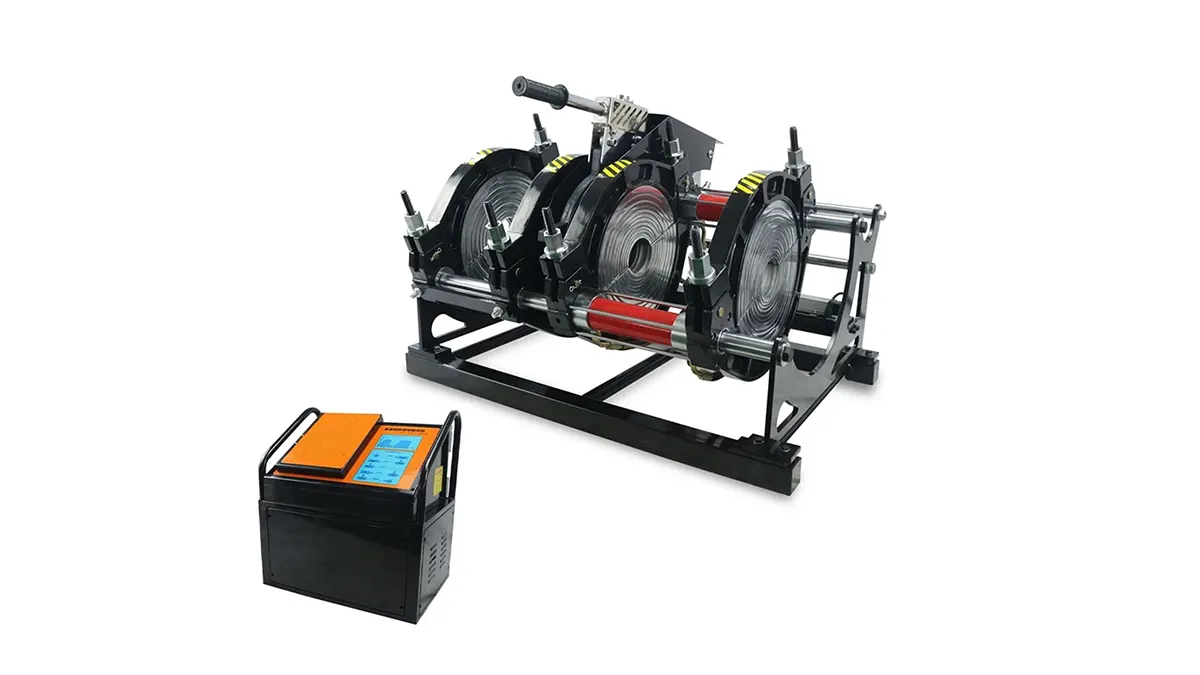
Buy new: Best for long-term projects and warranty coverage. European suppliers often provide CE compliance and local support. Rent: Ideal for short-term pipeline jobs or testing different models on-site. Buy used: Cost-effective for smaller budgets but verify calibration records and heater plate condition.
Recommended suppliers and search tips
Search for dealers that offer on-site demonstrations, calibration certificates and spare parts stocking within the EU to minimize downtime. Verify seller references from other Hungarian projects (municipal water works, gas installers, agricultural cooperatives) and request documented compliance with EN/CE standards.
Quick Comparison: Machine Types
| Type | Pipe Range | Best For |
|---|---|---|
| Manual / Portable | 20–630 mm | Field repairs, small contractors |
| Hydraulic | 160–1600+ mm | Medium to large diameter municipal works |
| CNC / Automatic | 63–1000+ mm | High-volume, precision welding, industrial pipelines |
How to Choose the Right Butt Fusion Machine
Match machine capacity to your pipeline needs
First define the pipe diameters and SDR (wall thickness) you will weld most often. For municipal drinking water and gas distribution in Hungary, 110–400 mm is common for local networks, while industrial or trunklines may require machines for 500 mm and above. Choose a machine with clamping and heating plate sizes to comfortably handle your largest regular diameter.
Consider automation and operator skill
Automatic (CNC) units deliver repeatable weld cycles and are helpful on long runs or when multiple teams must meet tight QA targets. Manual and hydraulic units are simpler to maintain and useful where operators prefer a hands-on workflow. Factor in local operator language preference — Hungarian-language user interfaces or translated manuals reduce training time.
Serviceability and spare parts
Check if the supplier has EU stock or regional service partners who can supply heater plates, cartridges, hydraulic seals and electronics quickly. Availability of spare parts in the EU shortens lead times versus long international shipments.
What to Know Before Buying in Hungary
Standards and certifications
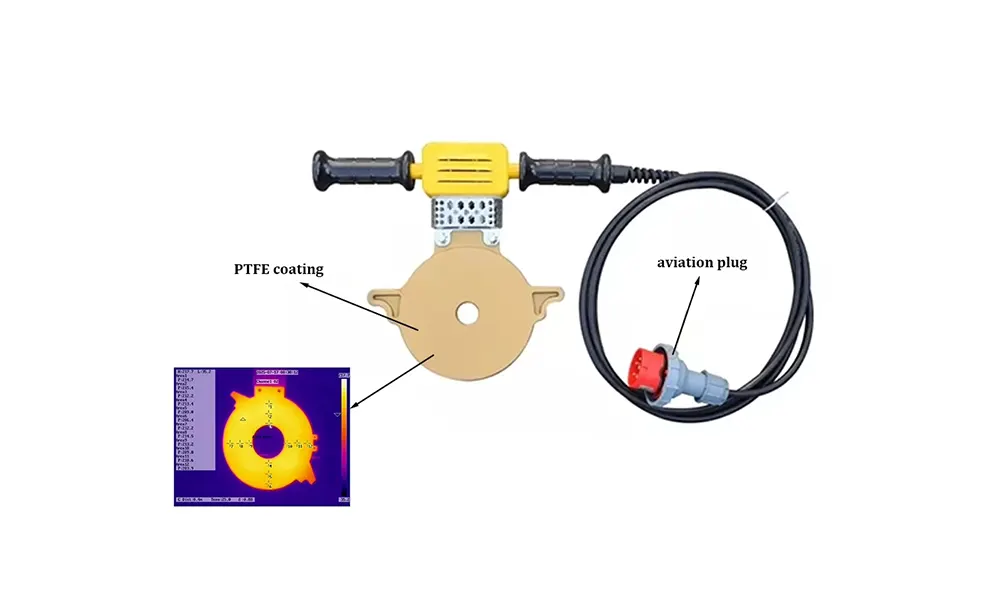
Ensure the machine supports welding procedures that comply with European standards for plastic piping systems (for example, EN 12201 for polyethylene pipe systems is commonly referenced). CE marking is required for equipment sold within the EU; request compliant documentation and calibration traces for heater plate temperature and alignment checks.
Import, taxes and logistics
Buying from outside the EU requires EORI registration, customs clearance and import VAT handling. Many buyers prefer EU-based warehouses or authorized distributors to avoid import complexity. Shipping options commonly used for heavy machines to Hungary include direct trucking from EU ports (Hamburg, Rotterdam), rail freight, or road delivery from nearby EU stock.
Local climate and jobsite conditions
Hungary experiences seasonal temperature swings; ask about heater control ranges and storage instructions for consumables. For winter works, confirm the machine’s heater and hydraulic system operate reliably at low temperatures, and ensure proper protective packaging for storage between jobs.
Installation, Training & After-sales
Prioritize suppliers who offer on-site commissioning, operator training in Hungarian (or English), and documented welding procedures. Routine calibration and periodic maintenance are critical to meet QA requirements in municipal or gas projects — plan a maintenance contract or local technical partner for quicker response times.
Warranty and field support
Compare warranty lengths and whether labor/transport is included for on-site fixes. Machines with global service networks or regional warehouses will lower downtime for Hungarian contractors operating on tight schedules.
Pricing, Lead Time & Delivery Expectations
Price varies by type: manual units are the most affordable, hydraulic mid-range, and CNC automatic machines cost the most. Typical lead times from European stock are 1–4 weeks; from factory orders outside the EU, expect 4–12 weeks depending on customization. Confirm packaging (crates, sea/air-ready supports) and whether the supplier handles inland delivery to addresses in Hungary.
Checklist before purchase
- Confirm pipe diameter & SDR compatibility with the machine capacity.
- Request heater plate calibration and traceable temperature records.
- Verify CE marking and relevant EN standard compliance.
- Ensure availability of spare parts within the EU or Hungary.
- Arrange training in Hungarian or with a translator if needed.
- Clarify warranty, service response time, and optional maintenance plans.
One reliable manufacturer to consider
JQ-Fusion provides a wide range of manual, hydraulic and CNC automatic butt fusion welding machines for small to large diameter HDPE pipes, and their models are used worldwide in water supply, gas, mining and industrial pipeline systems. For details on models, specifications and service options you can visit their site at https://jq-fusionwelding.com/.
Final tip
For projects in Hungary prioritize machines with local or EU support, clear certification, and training in the operator’s language. Proper selection combined with routine calibration and accessible spare parts will ensure consistent, high-quality welds and minimize project delays.



