
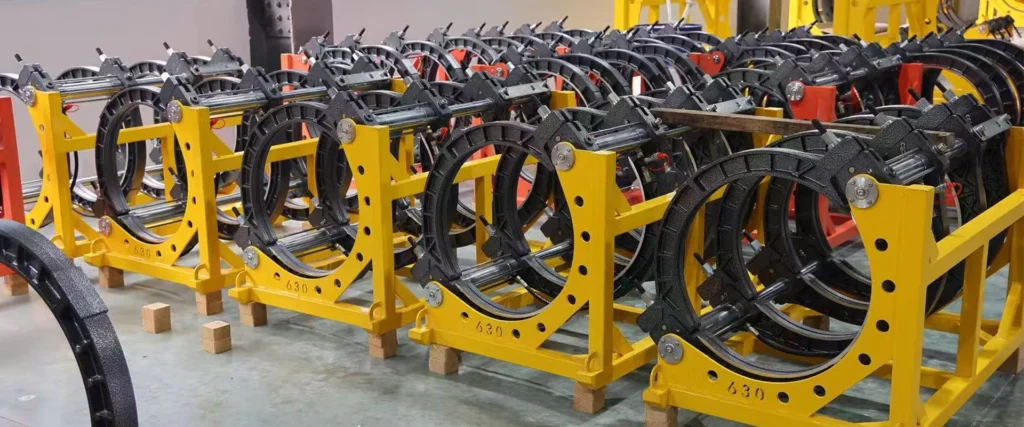
Choosing the right gas line welder factory for projects in Somalia requires a mix of technical knowledge, local-aware logistics planning, and trust in after-sales support. This guide helps engineers, contractors, and procurement teams in Somalia evaluate factories and select a supplier that delivers safe, reliable, and cost-effective welding machines for HDPE and gas distribution pipelines.
Understand the Technology: Manual, Hydraulic, or Automatic?
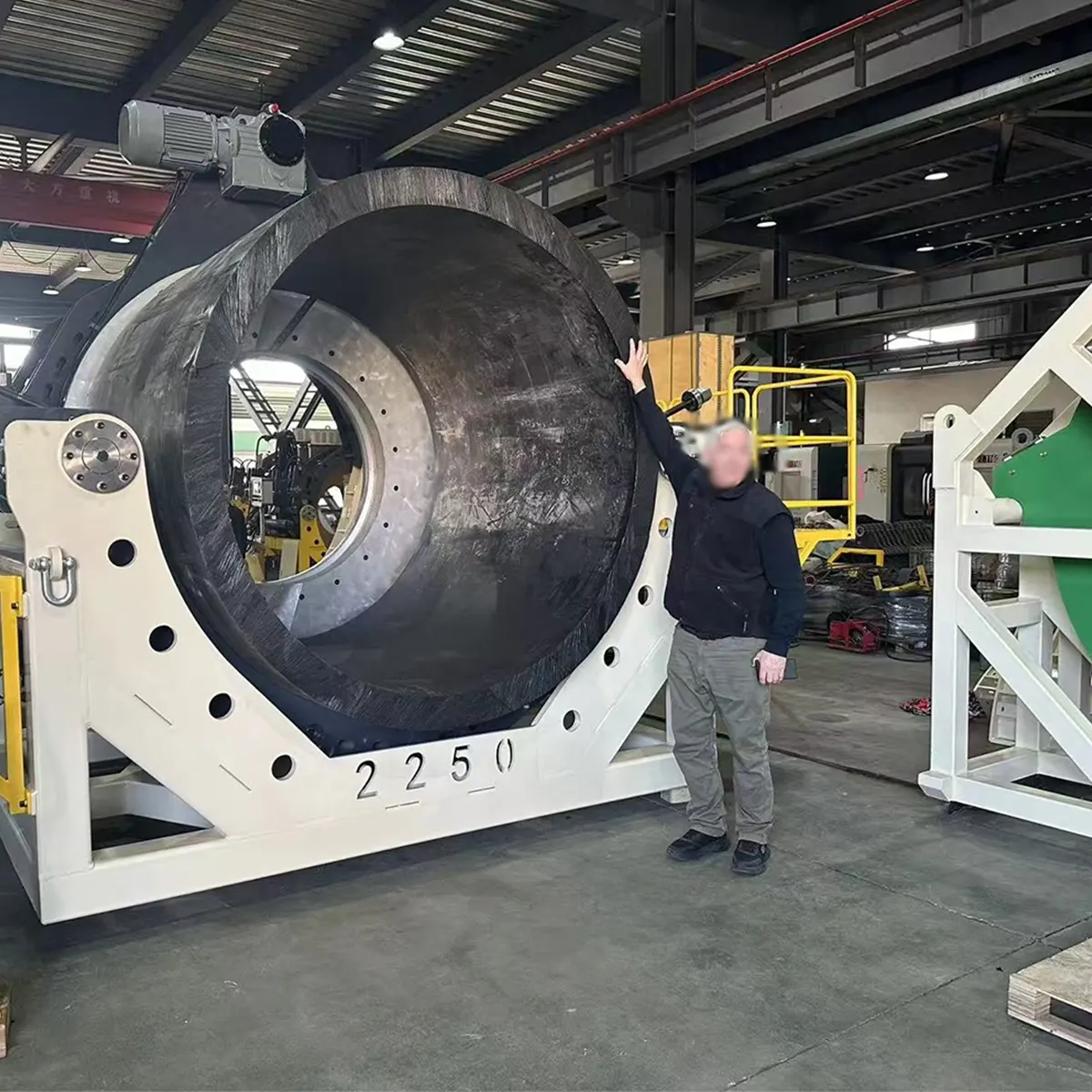
Different project scales need different tools. Manual butt fusion machines are compact and ideal for rural or small-diameter gas lines. Hydraulic machines offer greater force and consistency for medium to large diameters often used in urban distribution. For high-volume or utility-grade installations, CNC automatic systems provide the most precise control and weld traceability. Match the machine class to your pipe sizes and expected weld throughput.
Key Quality Indicators to Inspect
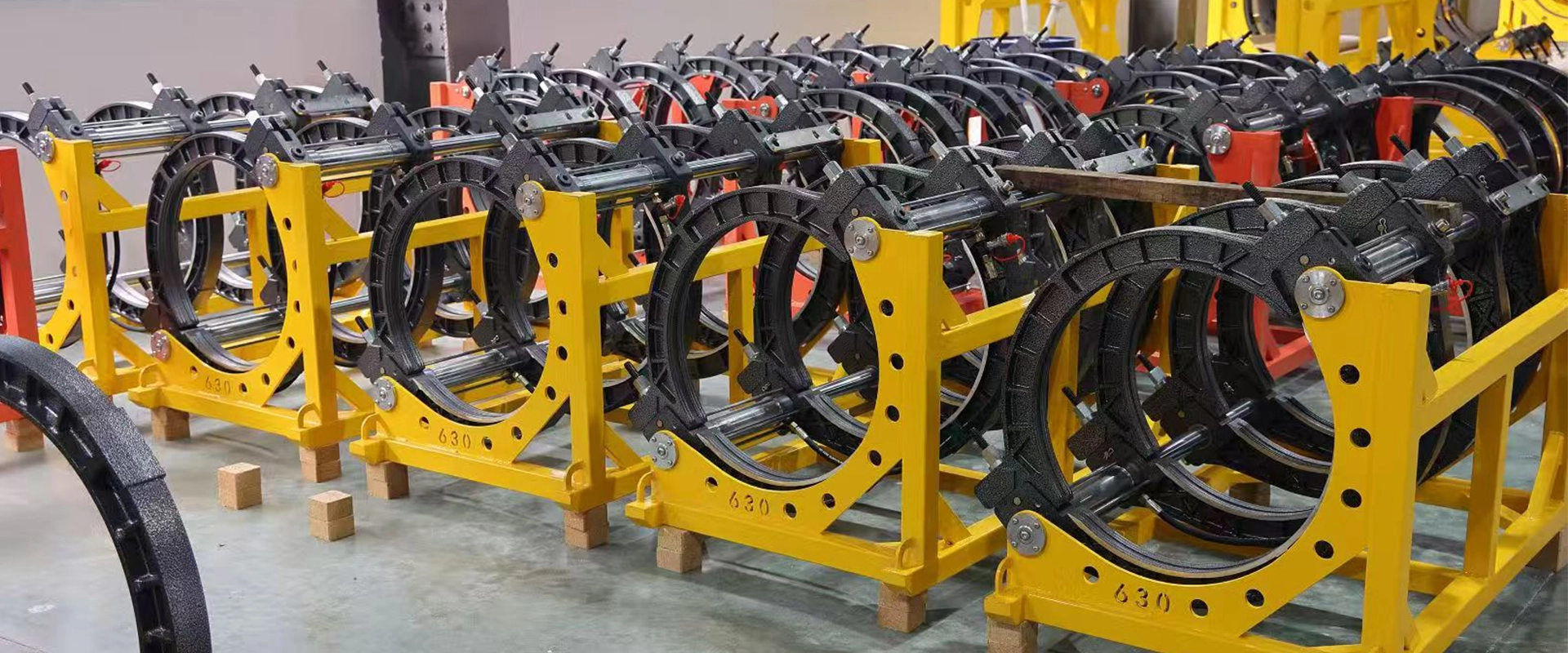
When vetting a factory, focus on measurable quality signals: production testing protocols, calibration records for heating plates and clamps, availability of spare parts, warranty terms, and third-party certifications. Ask for sample weld reports and, if possible, a demonstration weld on-site or at the factory. Inspectors should verify heat-zone uniformity, clamp alignment, and hydraulic system reliability.
Factory Capabilities That Matter
Check if the manufacturer supports the full range of pipe diameters you need and offers customizable clamps, heating plates, and trimmers. A factory with both manufacturing and R&D capability tends to solve field issues faster. Equally important is documented quality control and traceability for components like pressure valves and electronic controllers.
Somalia-Specific Considerations
Local conditions in Somalia influence supplier choice:
Logistics: Proximity to major Somali ports (Mogadishu, Berbera, Bosaso) shortens lead times and lowers freight risk. Confirm export packaging suitable for long sea voyages and inland transport over rough roads.
Climate and Site Conditions: High temperatures and dusty environments can affect electronic controls and hydraulic seals. Prioritize robust IP-rated controllers and sealed hydraulic units.
Workforce & Training: Local welders may need training in butt fusion or electrofusion procedures. Choose a factory that offers training packages, operation manuals in English (and, if possible, Arabic), and remote support.
Compliance & Safety: Ensure machines meet internationally recognized standards and that the supplier can provide welding procedures that comply with regional gas distribution safety requirements.
Factory Evaluation Checklist
Use this quick checklist during vendor selection — request documentation and evidence for each item.
| Factor | What to Check | Why It Matters |
|---|---|---|
| Certifications & Tests | ISO, CE, product test reports | Shows consistent quality and safety compliance |
| Spare Parts & Support | Inventory lists, lead times | Reduces downtime on remote Somali sites |
| Field Training | On-site or virtual training offerings | Ensures correct welding and safety practices |
| Warranty & After-sales | Warranty terms, service network | Protects your investment over lifecycle |
Pricing vs. Value
Lowest price rarely equals best value. Evaluate total cost of ownership: initial price, shipping, customs, spare parts availability, training, and expected machine lifespan. Invest in proven machines with accessible support — downtime on a critical gas line has high social and financial costs in region-wide projects.
Negotiation Tips
Ask for bundled offers: training, spare kits, and an extended warranty. Clarify shipping terms (EXW, FOB, CIF) and estimated delivery windows. Confirm clear documentation for customs clearance to Somali ports.
Making the Final Decision
Shortlist factories that can demonstrate reliable production control, offer local-aware logistics, provide training and spare parts, and back products with a solid warranty. Request references from other contractors working in the Horn of Africa or similar climates, and if feasible, perform a live weld test before placing a large order.
One Recommended Contact
For manufacturers experienced in HDPE pipe welding equipment and global projects, consider contacting JQ-Fusion for machine options, training packages, and export-ready solutions.
Quick FAQ
Q: Which machine handles large-diameter gas mains? A: Large-diameter hydraulic or CNC automatic butt fusion machines provide the necessary force and precision.
Q: Are electrofusion machines suitable in Somalia? A: Yes — they are ideal for small-diameter service connections and quick, reliable joints when installers are trained.
Final Note
Prioritize safety, traceability, and local support when choosing a gas line welder factory for projects in Somalia. Properly selected equipment—combined with training and spare parts planning—will ensure durable, low-maintenance pipelines that serve communities reliably.



