
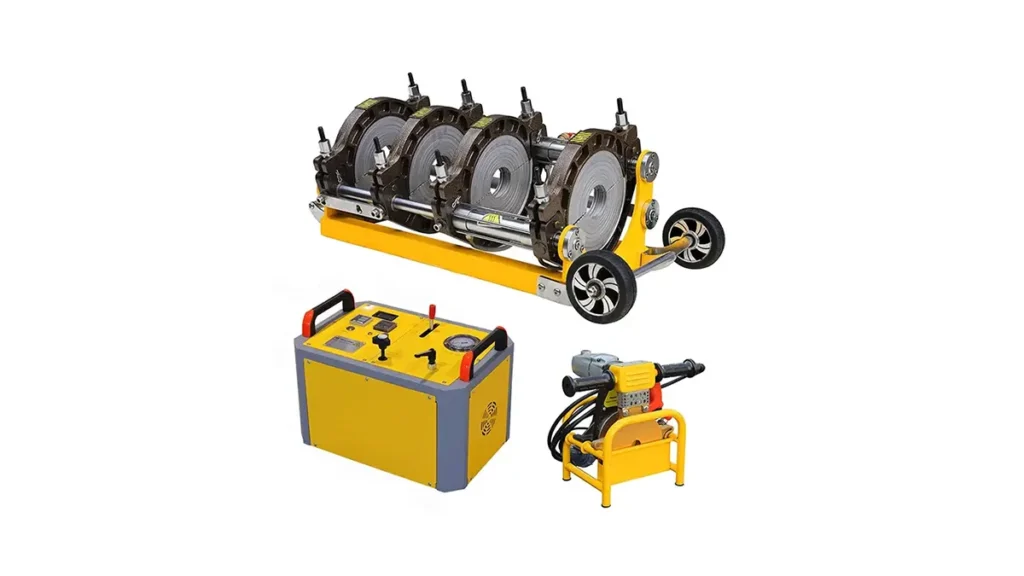
Finding the right butt fusion machine in Rwanda means balancing equipment capability, local project needs, and reliable after-sales support. This guide explains where to buy, how to choose the best machine type for Rwandan infrastructure projects, and what to expect when ordering from a factory overseas.
Where to Buy in Rwanda
Direct from the factory: Buying from a manufacturer export line often gives the best price, full customization and access to documentation, test reports, and spare parts lists.
Local distributors and importers: For faster delivery, local technical support and easier warranty handling, work with authorized distributors in Kigali or major regional centers.
Equipment marketplaces and trade shows: Regional trade fairs and B2B platforms can help compare models side-by-side and meet suppliers face-to-face before purchase.
How to Choose the Right Butt Fusion Machine
Match machine type to project scale
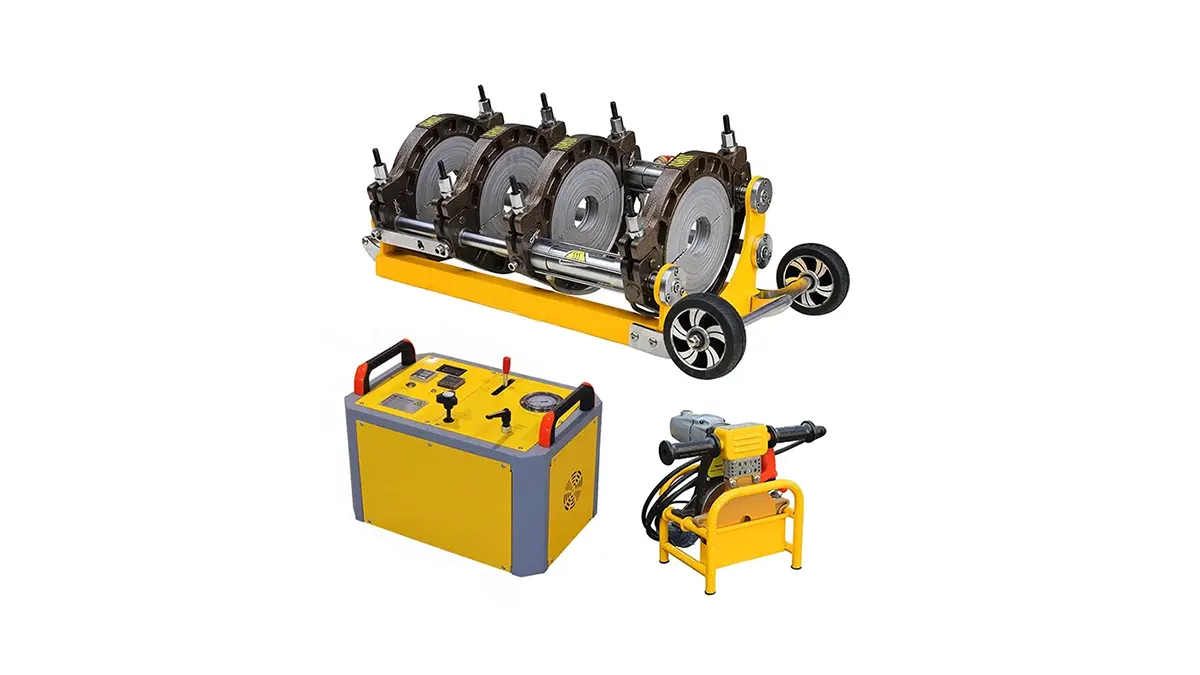
Manual machines are ideal for small repair work and rural water projects where portability and low cost matter. Hydraulic units suit medium to large networks with frequent welding jobs. Automatic CNC machines are best for large diameter pipelines and contractors that require repeatable, high-precision joints.
Consider pipe diameter, site access and power
Choose a machine rated for the full range of pipe diameters you will weld. For remote Rwandan sites expect narrow roads and steep terrain — portability and modular frames can be decisive. Check power supply compatibility (single-phase vs three-phase) and whether a generator will be needed on-site.
| Machine Type | Best For | Advantages |
|---|---|---|
| Manual Butt Fusion | Small repairs, rural water supply | Low cost, portable, easy to train |
| Hydraulic Butt Fusion | Municipal networks, medium projects | Faster cycle times, higher clamping force |
| Automatic/CNC Butt Fusion | Large diameter pipelines, contractors | High precision, consistent weld quality |
What to Expect When Ordering from a Factory
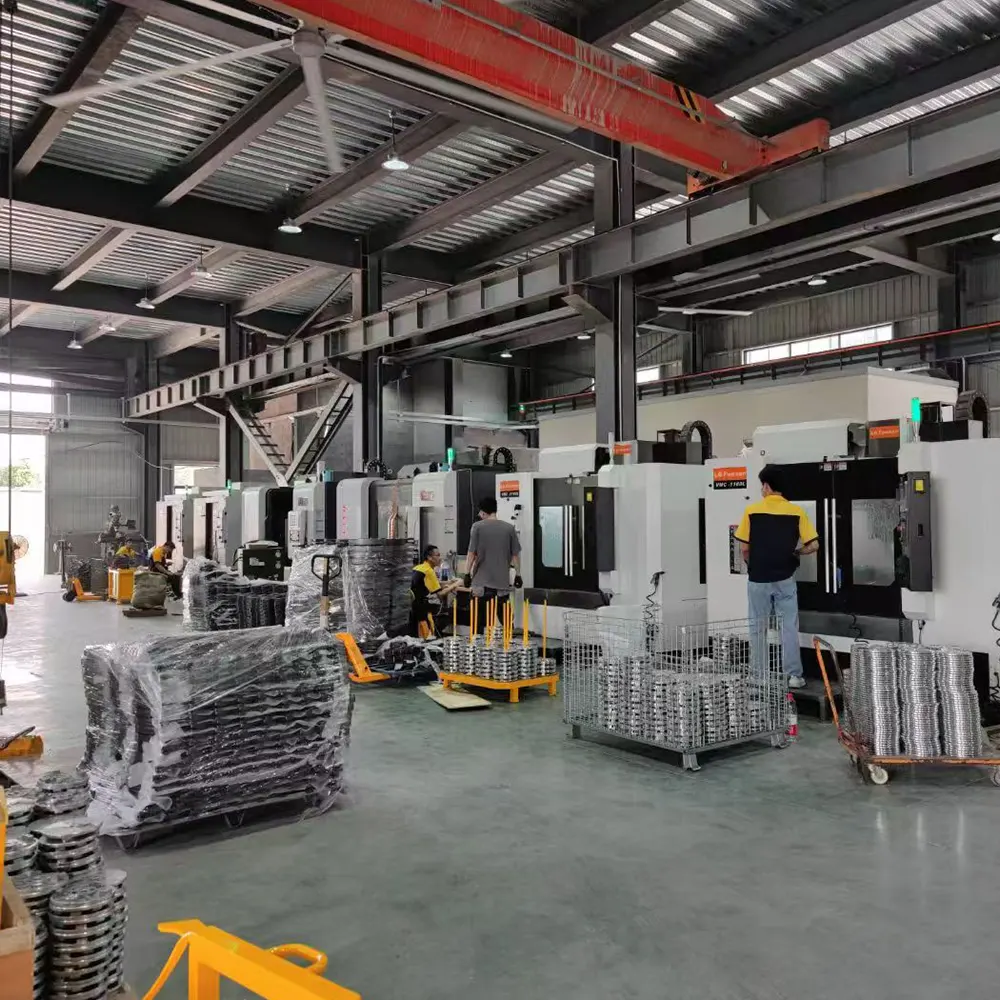
Lead time & production: Typical production times vary by model and customization — expect anywhere from 2 to 8 weeks. Confirm production milestones and ask for photos or a pre-shipment inspection report.
Shipping & customs: Shipping to Rwanda usually involves ocean freight to Mombasa or Dar es Salaam and road transport to Kigali. Factor in customs clearance, import duties, and transit time for heavy or oversized frames.
Documentation & certifications: Request user manuals, welding procedure specifications, and certificates (CE, ISO) that may be needed by public works or donor-funded projects.
Rwanda-specific considerations
Rwanda’s growing water, sanitation and irrigation programs mean frequent small-to-medium scale installations. Prioritize portable machines for hilly field sites, and ensure operator training is available in English, French or Kinyarwanda. For NGO and government tenders, verify compliance with local procurement rules and required technical standards.
Warranty, spare parts & training
Expect a factory warranty and an option to buy spare heating plates, cutters, clamps and control units. Arrange initial on-site commissioning and a short training course for technicians to secure consistent weld quality across projects.
| Item | What to confirm |
|---|---|
| Power & Voltage | Single/three-phase, generator compatibility |
| Spare Parts | Availability and lead time for plates, cutters |
| Training | Operator courses and commissioning support |
Supplier spotlight
JQ-Fusion is a manufacturer specializing in HDPE pipe welding machines, offering manual, hydraulic and CNC automatic butt fusion machines with a wide diameter range and global shipping options.
Final tips
Always request welding test records, a clear spare-parts list, and local contact options before finalizing a purchase. For Rwandan projects, prioritize portability, straightforward maintenance, and supplier support for training and spare parts to ensure long-term reliable pipeline performance.



