
Finding a reliable HDPE jointing machine supplier in Nigeria is essential for contractors, municipal utilities, and private developers working on water supply, gas distribution, and industrial pipeline projects. This guide explains what Nigerian buyers should look for, which machine types suit local conditions, and how to ensure smooth delivery, installation, and after-sales support.
Why choose a proven HDPE jointing machine supplier
Durability, precision, and service are the top priorities for teams installing HDPE pipelines across Nigeria. In hot coastal climates like Lagos and humid inland regions such as Port Harcourt, equipment must withstand temperature swings and frequent transport. A reputable supplier provides machines with robust frames, reliable heating elements, and spare parts availability to keep projects on schedule.
Local advantages to consider
Nigerian contractors benefit from suppliers who can address:
- Fast shipping to Lagos ports and clear documentation for customs clearance.
- On-site training for operators and supervisors to meet local workforce skill levels.
- Availability of consumables (heating plates, cutters, clamps) to reduce downtime.
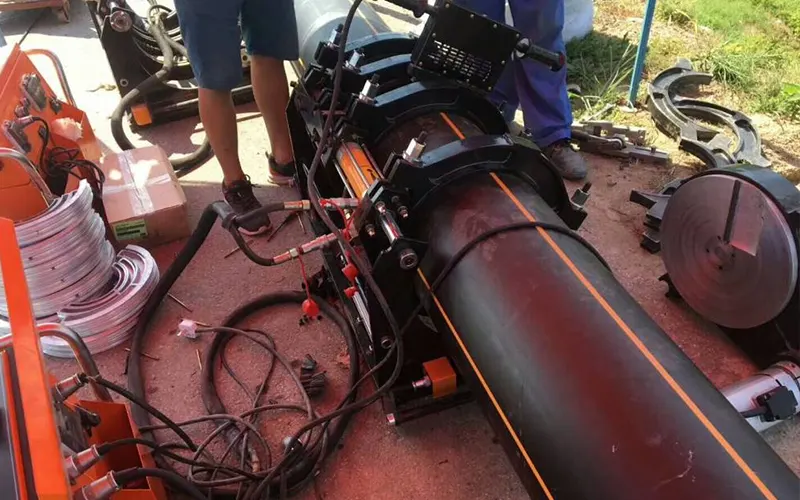
Types of HDPE jointing machines suitable for Nigerian projects
Choose equipment based on pipe diameter, project scale, and available power sources. Typical categories include:
- Manual butt fusion machines – ideal for small-diameter pipelines and rural installations where portability and low cost are required.
- Hydraulic butt fusion machines – suited for medium to large diameters with higher fusion force and consistent joint quality.
- CNC automatic butt fusion machines – best for high-volume projects and industrial yards requiring repeatable, documented welds.
Quick product comparison
| Machine Type | Best for | Typical Pipe Range |
|---|---|---|
| Manual | Small sites, low budget | 20mm – 315mm |
| Hydraulic | Urban and municipal works | 160mm – 2000mm+ |
| CNC Automatic | Large projects, factory lines | 63mm – 1600mm+ |
Performance features to prioritize
When evaluating offers, focus on features that matter on Nigerian sites:
- Solid clamp frames and anti-corrosion coatings for coastal environments.
- Accurate temperature control and pressure monitoring for consistent weld quality.
- Modular spare parts and worldwide service networks to minimize project delays.
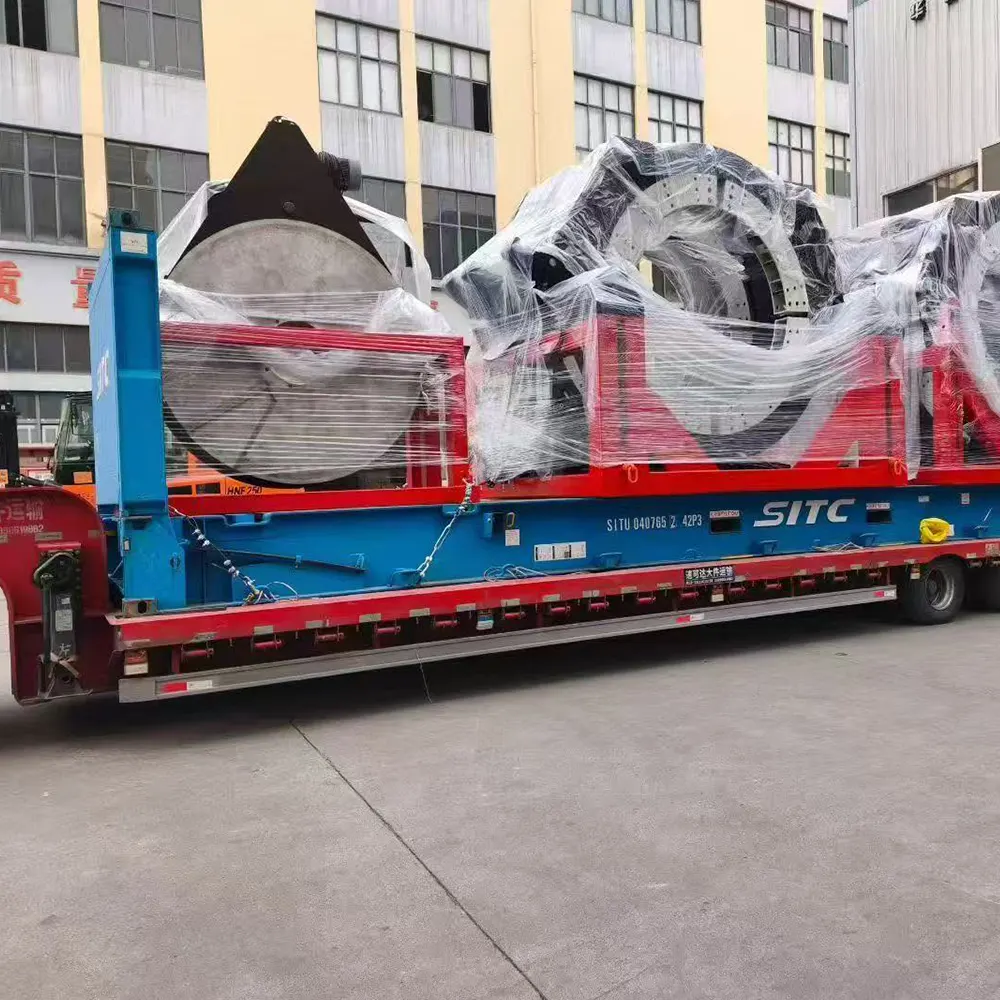
Applications across Nigeria
HDPE jointing machines are used in:
- Rural and urban water supply networks.
- Gas distribution and metering station connections.
- Mining and industrial plants around Jos, Enugu, and Kaduna.
- Oil & gas flowlines and temporary site utilities in the Niger Delta.
Buying and logistics tips for Nigerian buyers
To ensure a smooth purchase and deployment:
- Confirm shipping terms (FOB/CIF) and expected clearance time at Lagos or Port Harcourt.
- Request documentation: CE/ISO certificates, user manuals, and fusion procedure specifications (PE Welding Procedures).
- Arrange operator training either on-site or at the supplier’s regional center to speed up commissioning.
- Keep a list of recommended spare parts and consumables to include with the initial shipment.
After-sales and warranty considerations
Choose suppliers offering clear warranty terms and responsive technical support. Local partners or distributors can provide faster replacement parts and field service. For projects with tight timelines, confirm lead times and on-site support availability before finalizing your order.
For reliable butt fusion equipment, contact JQ-Fusion to discuss machine selection, spare parts kits, and training packages tailored to Nigerian project requirements.



