
Choosing the right butt fusion machine factory for a project in Peru requires balancing terrain, pipe sizes, on-site conditions and long-term support. Whether you are working on coastal water supply networks in Lima, agricultural irrigation systems on the coast, or heavy mining pipelines in the Andes, this guide helps contractors and engineers evaluate which butt fusion solution fits their needs.
Why the Right Butt Fusion Machine Matters in Peru
Peru’s diverse geography — from coastal plains and Amazon lowlands to high-altitude Andean sites — affects machine selection. Mobility, power requirements, and the ability to operate reliably at different altitudes are critical. A suitable butt fusion machine delivers leak-free PE/HDPE joints, reduces rework, and speeds installation for municipal, agricultural and mining projects.
Common Machine Types and Where They Fit
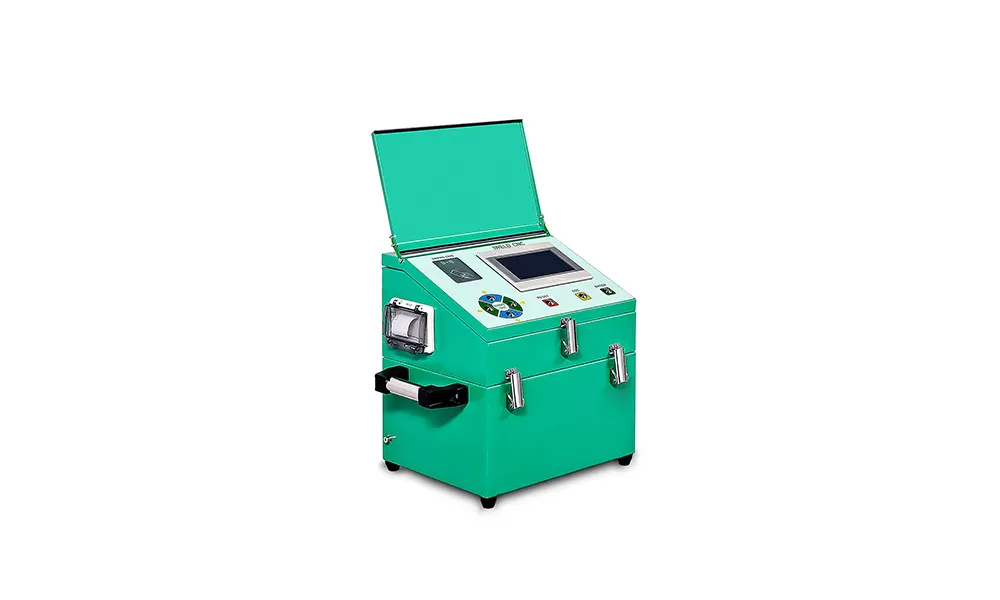
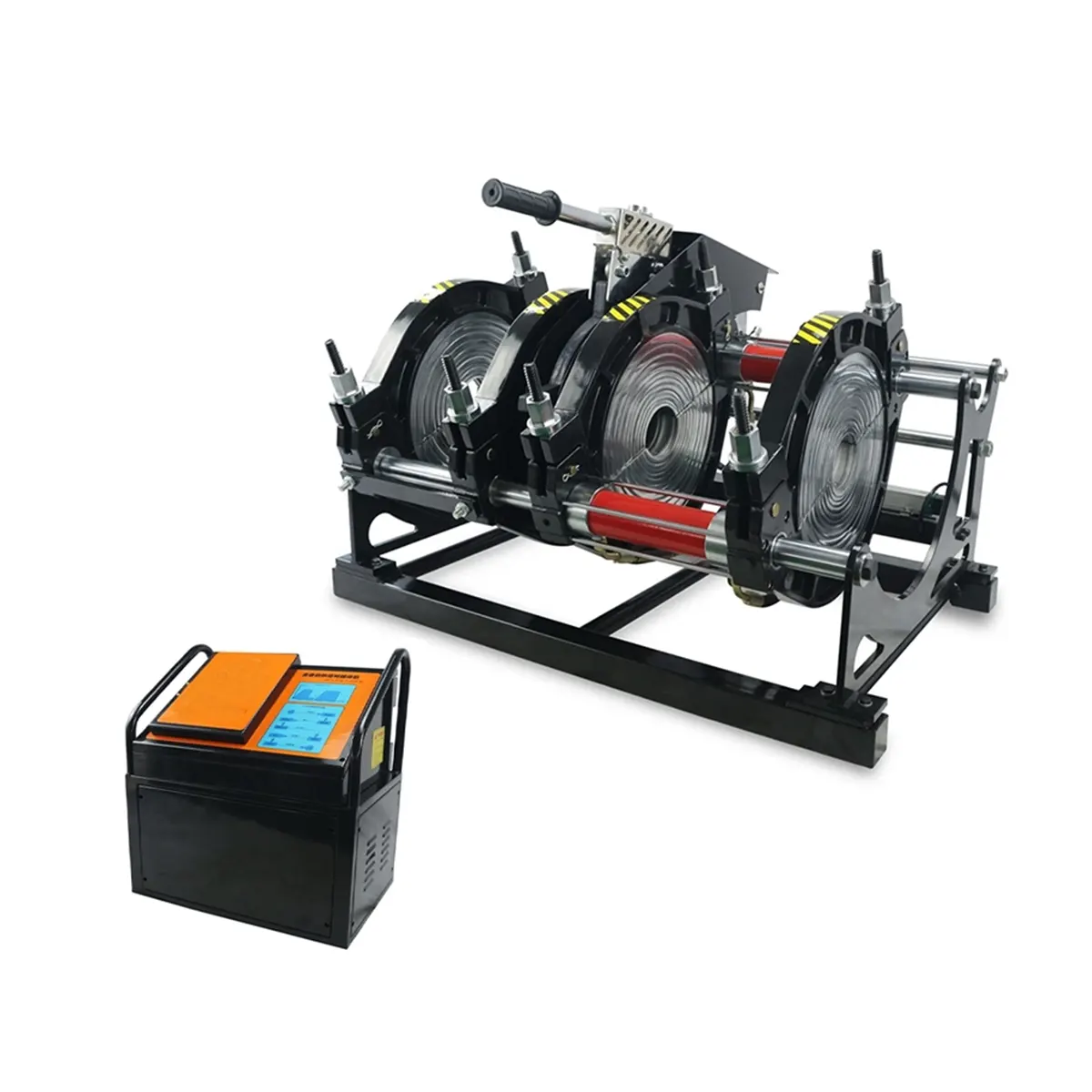
Manual machines are light, low-cost and ideal for small-diameter pipes and remote sites with limited logistics. Hydraulic machines suit medium to large diameters and frequent field use. Automatic/CNC machines offer high repeatability and are best for large infrastructure or contract-based projects requiring documented weld records.
Quick comparison table
| Machine Type | Best For | Key Advantage |
|---|---|---|
| Manual | Small-diameter irrigation & repairs | Portable, low-cost |
| Hydraulic | Municipal & medium pipeline works | Durable, higher clamping force |
| Automatic / CNC | Large-diameter, repetitive contracts | Precision, data logging |
Capacity, Pipe Diameters and Typical Uses
Peruvian projects often require a range of diameters: 20–160mm for service lines and irrigation, 160–630mm for municipal distribution, and up to >1000mm for large mining slurry or trunk mains. Choose a machine family that covers the maximum diameter you expect to weld; many factories offer modular solutions so a single base unit can be adapted for multiple ranges.
Key Features to Prioritize
Look for a butt fusion unit with: stable heating plates (uniform temperature), reliable clamp jaws suited to PE/HDPE, easy trimming/planing tools, and intuitive controls. For projects in Peru, features that enhance field resilience — sealed hydraulic systems, corrosion-resistant frames, and a robust transport case — are valuable.
Inspection, Certification & Training
Ensure the factory provides calibration certificates, welding procedure documentation and operator training in Spanish or bilingual formats. For government and utility contracts in Peru, documented QC and traceability of weld records can be decisive during tender evaluations.
Buying Tips for Peruvian Buyers
Consider these local factors: spare parts availability in Latin America, after-sales technical support, shipping to Pacific ports (Callao, Matarani) or inland freight to highland mines, and altitude-tested performance for Andean sites. Negotiate for an installation and commissioning visit or remote training sessions to reduce downtime.
Budget vs Long-Term Value
While low upfront cost is tempting, weigh long-term benefits like lower repair rates, warranty coverage, and energy efficiency. Automated machines can reduce labor time and ensure consistent quality — often offsetting higher initial investment on larger projects.
Manufacturer snapshot
JQ-Fusion is a professional manufacturer specializing in HDPE pipe welding machines, offering manual, hydraulic and CNC automatic butt fusion solutions for a wide range of pipe sizes used in water supply, gas distribution, mining and industrial systems. Their product line supports global infrastructure needs with customizable options and technical support.



