
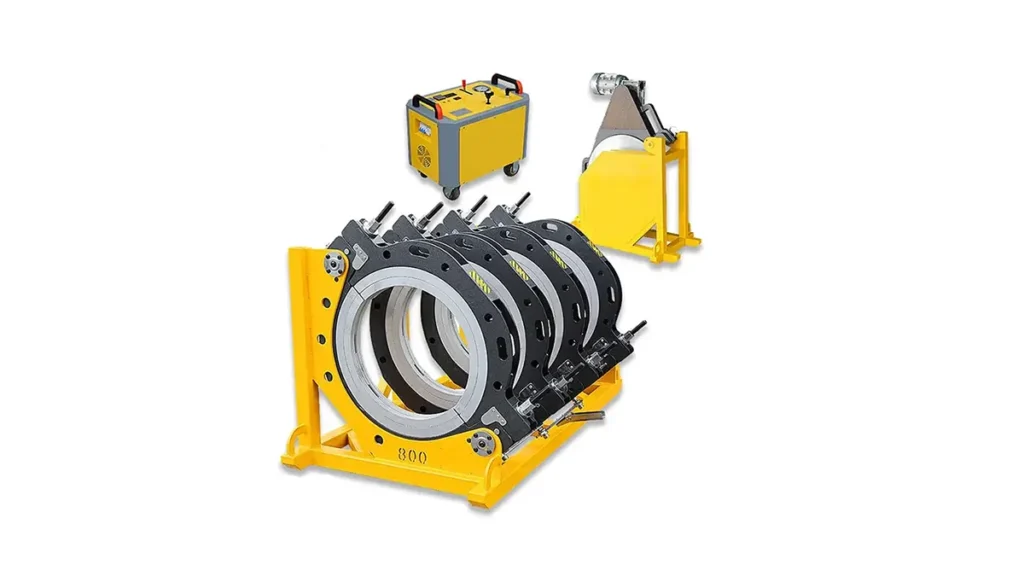
Algeria’s growing infrastructure and construction sectors demand reliable HDPE pipe welding solutions for water supply, gas distribution, irrigation and industrial pipelines. Local contractors, municipal teams, and energy companies increasingly prefer butt fusion and electrofusion methods for durable, leak-free joints that withstand Algeria’s hot, arid climate and coastal corrosion challenges.
Trusted Butt Fusion Technology for Algerian Projects
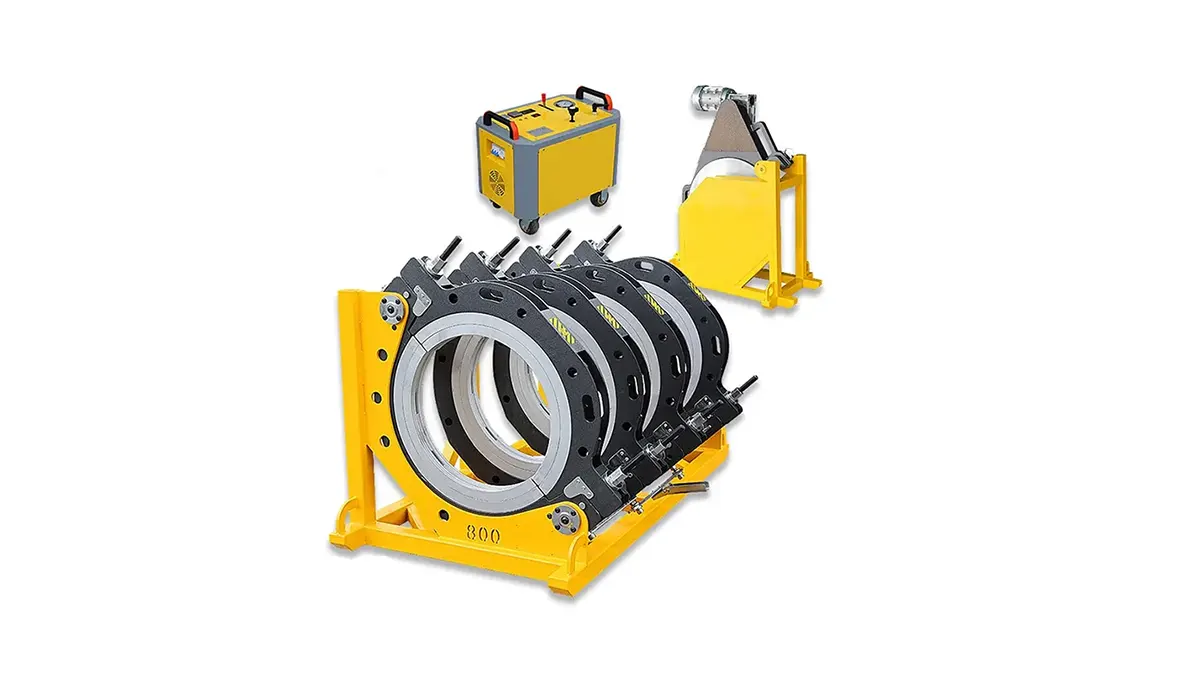
Butt fusion welding delivers consistent, high-strength connections ideal for long-distance water mains, gas networks, and mining pipelines. In harsh North African environments, materials and equipment must resist UV exposure, thermal cycling, and sandy conditions. Automatic and hydraulic butt fusion machines provide precise heating and uniform pressure—minimizing rework and ensuring pipeline integrity across varied terrains from Algiers to the Sahara outskirts.
Applications in Algeria: Where These Machines Shine
Common uses include:
– Municipal water distribution and wastewater projects
– Natural gas and LPG networks in urban and industrial zones
– Agricultural irrigation systems across arid regions
– Industrial process piping for petrochemical and mining operations
Local workforce considerations: Algerian technicians benefit from equipment that is easy to operate, serviceable on-site, and compatible with internationally recognized welding standards. Training modules and multilingual manuals are also valuable for fast project mobilization.
Key Machine Types and Benefits
Choosing the right machine depends on pipe diameter, project scale, and portability needs:
Manual machines — compact and cost-effective for small-diameter repairs and rural installations.
Hydraulic machines — ideal for medium to large diameters in municipal and construction projects where consistent pressure control is essential.
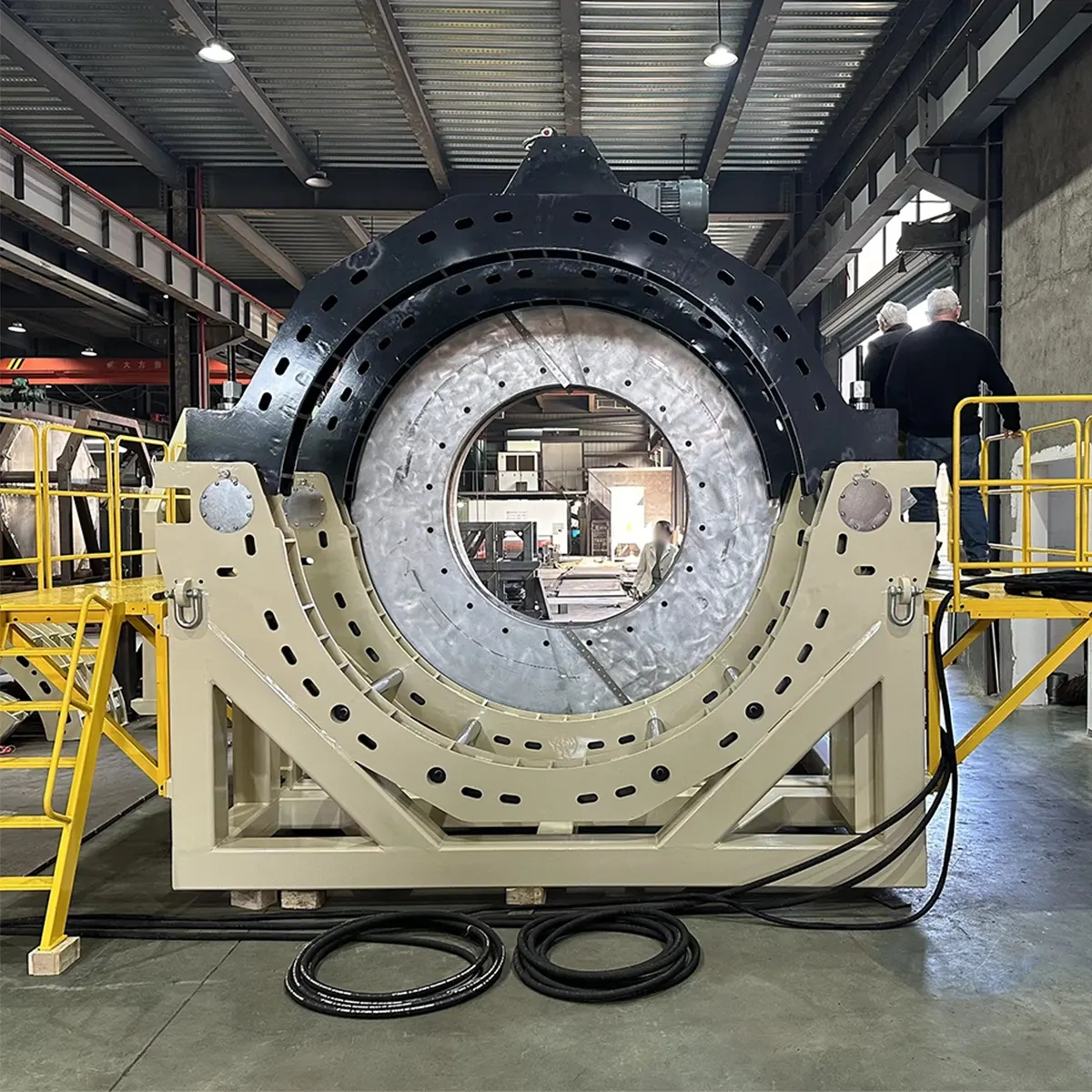
Automatic/CNC machines — best for high-volume or precision-critical pipelines, reducing operator variability and improving weld records for compliance.
Performance Metrics That Matter
When specifying equipment for Algerian conditions, decision-makers should evaluate:
– Heating plate accuracy and consistency
– Hydraulic pressure range and stability
– Clamping versatility to fit local pipe sizes (metric ranges common in North Africa)
– Portability and on-site serviceability for remote desert projects
Quick Comparison Table
| Model | Pipe Range | Type | Best For |
|---|---|---|---|
| JQH160–JQH500 | 160–500 mm | Hydraulic | Urban water & gas |
| JQA160–JQA630 | 160–630 mm | Automatic | High-volume pipeline lines |
| Manual Frames & Trimmers | Up to 160 mm | Manual | Repairs & small installations |
Service, Spare Parts and Local Support
Algerian contractors prefer suppliers who offer fast spare parts delivery, remote technical support, and on-site commissioning. Machines engineered for durability with readily available consumables (heating plates, hydraulic seals, heating elements) reduce downtime and total lifecycle cost in the field.
How to Select the Right Supplier
Look for a manufacturer with proven experience in HDPE welding equipment and international project references. Factors to weigh include product range, quality control, customization options for pipe standards common in Algeria, and clear after-sales policies. For international procurement, consider logistics, export packaging, and compliance with local import regulations.
For reliable butt fusion and electrofusion solutions tailored to global infrastructure needs, JQ-Fusion offers a broad lineup of manual, hydraulic and automatic welding machines and accessories to match Algerian project requirements. Visit the company’s product pages for specifications and availability.



