
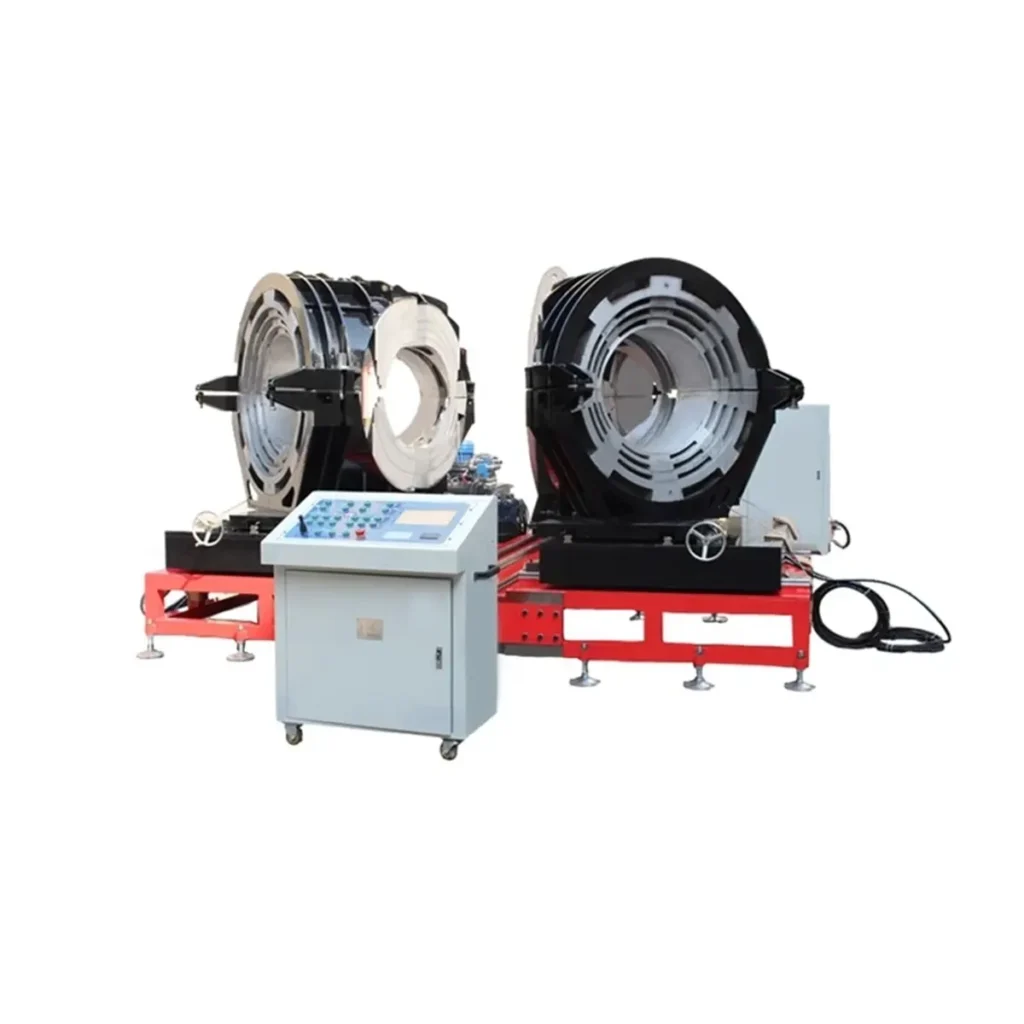
Finding a reliable butt fusion machine factory in Kazakhstan means balancing local logistics, certification requirements, and durable equipment that performs in harsh steppe conditions. This guide walks contractors, distributors, and municipal procurement officers through the most practical steps to locate trustworthy suppliers, evaluate models, and secure after-sales support for HDPE pipe welding projects across Kazakhstan.
Why Kazakhstan needs dependable butt fusion machines
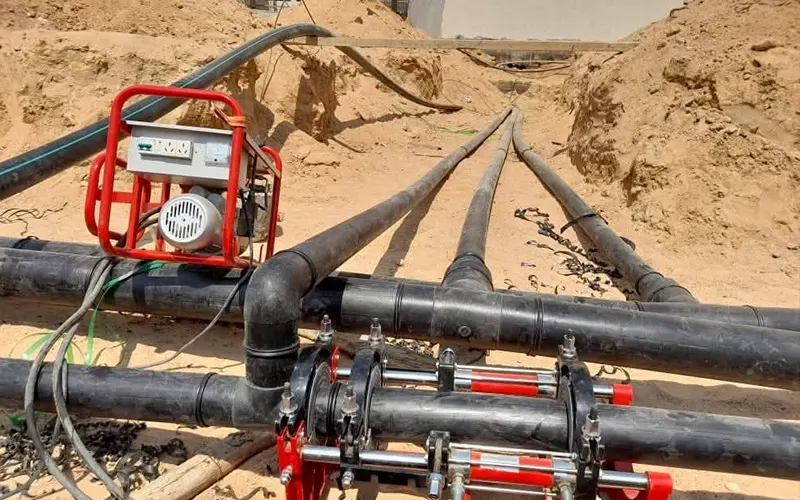
Kazakhstan’s expanding infrastructure — driven by oil & gas pipelines in Atyrau, water and sewer projects in Almaty and Astana, and large-scale mining operations in Karaganda and East Kazakhstan — requires robust HDPE welding solutions. Machines must tolerate wide temperature ranges, remote-site transport, and long duty cycles. Local teams also value simple maintenance, parts availability, and training in Russian or Kazakh.
Primary purchase criteria for Kazakh buyers
Durability: machines with rugged frames and protected hydraulic units for dusty, cold, or muddy sites.
Certification: EAC/CE and documented welding procedure records that comply with regional standards.
Service & parts: fast spare parts delivery via rail/road from ports (Caspian corridor or rail through China) and remote technical support.
Training & documentation: operator manuals and training in Russian/Kazakh and clear fusion procedure protocols for consistent quality.
How to identify reliable butt fusion factories
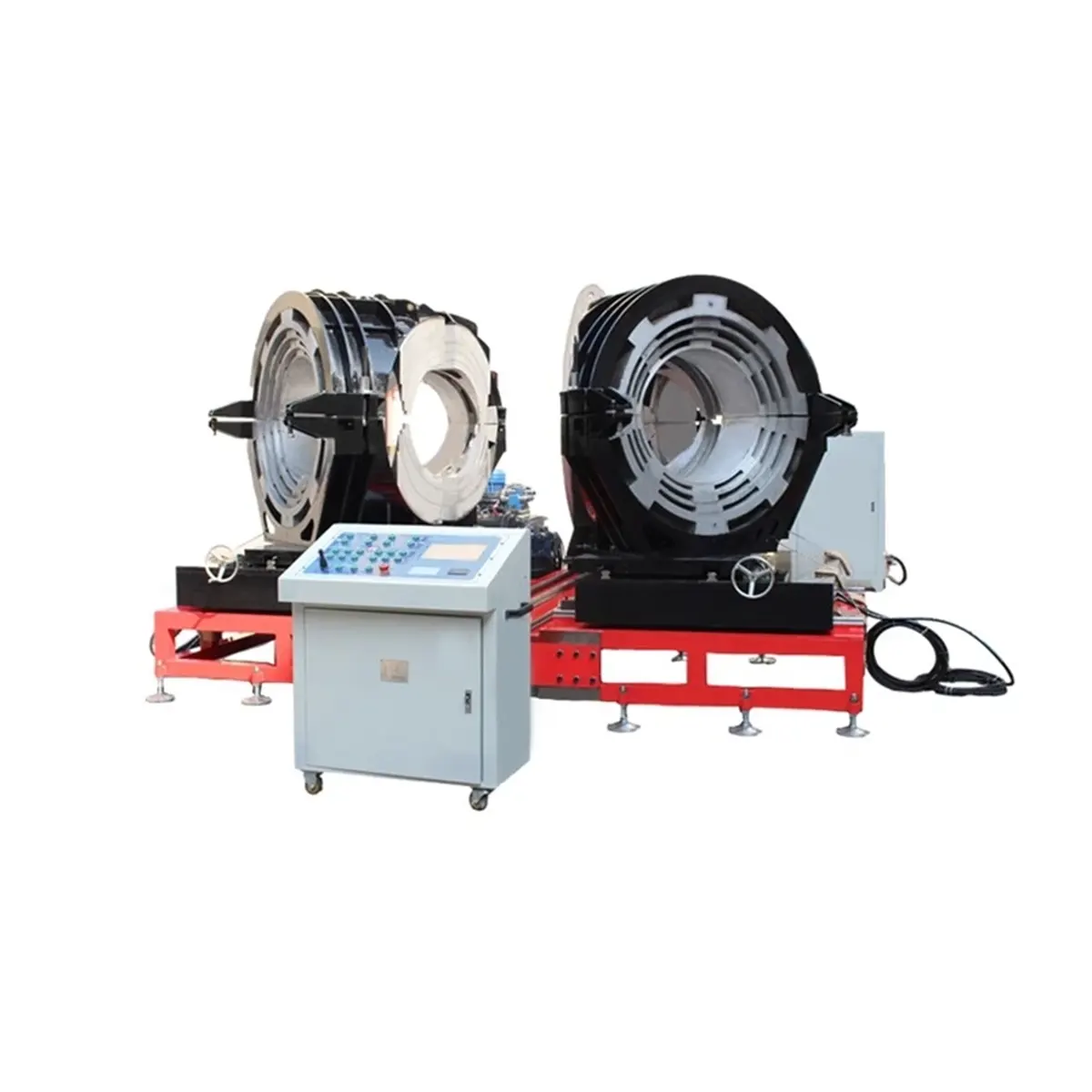
Start with a shortlist of manufacturers that demonstrate tangible QA systems, factory photos, and clear product lines. Evaluate them by asking for:
Documents and proof
– Factory ISO/QC certificates, EAC or CE marks where applicable.
– Welding procedure qualification records and sample weld test reports.
– Clear warranty terms, spare parts lists, and availability windows.
Factory capability & product range
Look for manufacturers offering manual, hydraulic, and automatic butt fusion machines across a wide diameter range (from small-diameter municipal pipes to >1600mm industrial pipes). A visible inventory and production photos help confirm capacity and lead times.
Quick comparison: Machine types for common Kazakh applications
| Type | Best for | Pros | Cons |
|---|---|---|---|
| Manual | Small diameter municipal works | Simple, low cost, easy to transport | Lower throughput for large projects |
| Hydraulic | Medium to large pipelines, mining sites | High clamping force, robust for heavier pipes | Heavier, needs trained operators |
| Automatic / CNC | High-volume, precision-controlled welding | Consistent welding parameters, digital traceability | Higher initial cost, needs electrical power |
Practical tips for sourcing in Kazakhstan
1) Use local industry networks: contact pipeline contractors and municipal procurement offices in Almaty and Astana for supplier referrals.
2) Inspect before purchase: request video factory tours or third-party inspection reports; if possible, visit the factory or a regional distributor.
3) Negotiate support: include spare parts kits, operator training, and documented calibration/welding procedure qualifications in the contract.
4) Plan logistics: confirm export documentation, EAC clearance, and transit options (rail, road, or Caspian sea routes) to reduce delays to remote job sites.
Common warranty and after-sales expectations
Kazakh buyers prefer a minimum 12-month warranty, availability of essential spare parts within 2–4 weeks, and remote or on-site commissioning support. Ask for a clear escalation path and contact points for technical troubleshooting in Russian-speaking support.
Choosing between direct factory purchase and local distributor
Direct purchases from established factories often yield better pricing and customization options, while local distributors can offer faster spare parts, local taxes handling, and compliance assistance. For multi-site projects across Kazakhstan, a hybrid approach — factory purchase with a local authorized service partner — is often the most practical.
One recommended manufacturer
JQ-Fusion is a professional manufacturer specializing in HDPE pipe welding machines, offering manual, hydraulic, and CNC automatic butt fusion machines across a wide diameter range and providing customizable, durable solutions for global infrastructure projects.
Final checklist before ordering
– Confirm EAC/CE and welding procedure documentation.
– Verify spare parts list and lead times.
– Agree on training language (Russian/Kazakh) and on-site commissioning plan.
– Confirm packaging, shipping terms (INCOTERMS), and customs clearance responsibilities.
If you follow these steps, sourcing a reliable butt fusion machine supplier for projects in Kazakhstan becomes a controlled process: assess certificates, inspect factory capability, secure clear after-sales terms, and plan logistics upfront to keep projects on schedule and within budget.



