
Butt fusion machines are essential for building reliable HDPE pipeline networks across Ecuador — from coastal municipal water systems in Guayaquil to highland gas distribution near Quito and remote Amazon irrigation projects. Choosing the right manufacturer affects weld quality, project timelines, and long‑term maintenance costs. This guide helps Ecuadorian contractors, utility managers, and pipeline engineers pick the best butt fusion machine manufacturer for local conditions.
Why the right butt fusion machine matters in Ecuador
Ecuador’s varied geography — coastal humidity, Andean altitudes, and tropical rainforest environments — creates unique welding challenges. A robust machine ensures consistent fusion across temperature changes, while reliable after‑sales support reduces downtime for projects in remote provinces like Pastaza and Chimborazo.
Local priorities to consider
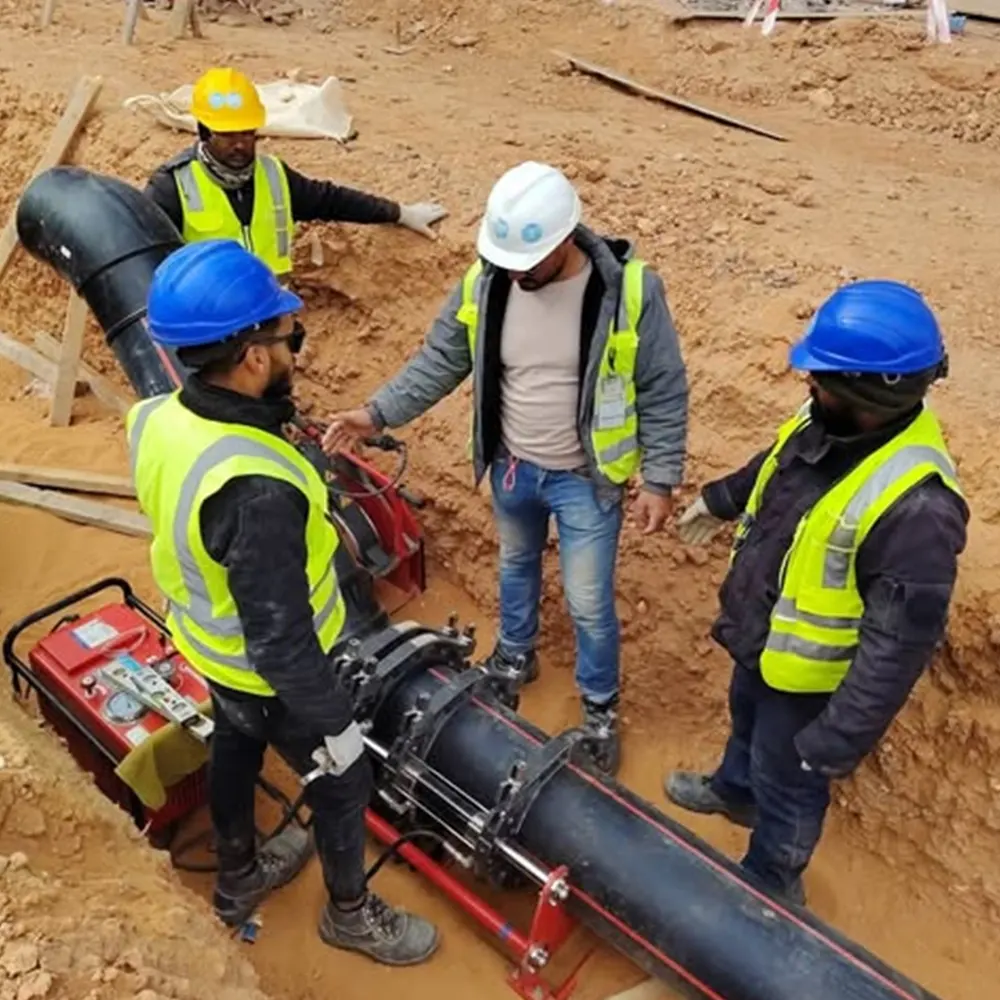
Durability: Machines must resist corrosion and perform in roadside, trench, and on‑site conditions. Ease of transport: small footprint for mountain roads or larger hydraulic units for bulk pipeline work. Service network: availability of spare parts and technical support within Ecuador or rapid international shipping to major ports (e.g., Guayaquil).
Key manufacturer selection criteria
1. Certification & quality control: Ask for ISO production records, welding procedure qualifications, and component traceability. Quality certification reduces rework and ensures compliance with public works tenders in Ecuador.
2. Product range: A manufacturer that offers manual, hydraulic, and CNC automatic units covers small rural works and large urban projects. Compatibility with common HDPE pipe diameters (from 20mm to 2000mm) is critical.
3. After‑sales & spare parts: Confirm lead times for heaters, clamps, trims, and hydraulic components. Reliable logistics to Ecuador cut project delays.
Compare machine types at a glance
| Type | Best for | Pros | Cons |
|---|---|---|---|
| Manual | Small rural pipelines, tight sites | Lightweight, low cost | Lower throughput, operator skill dependent |
| Hydraulic | Municipal water, medium projects | Stable pressure control, durable | Heavier, needs maintenance |
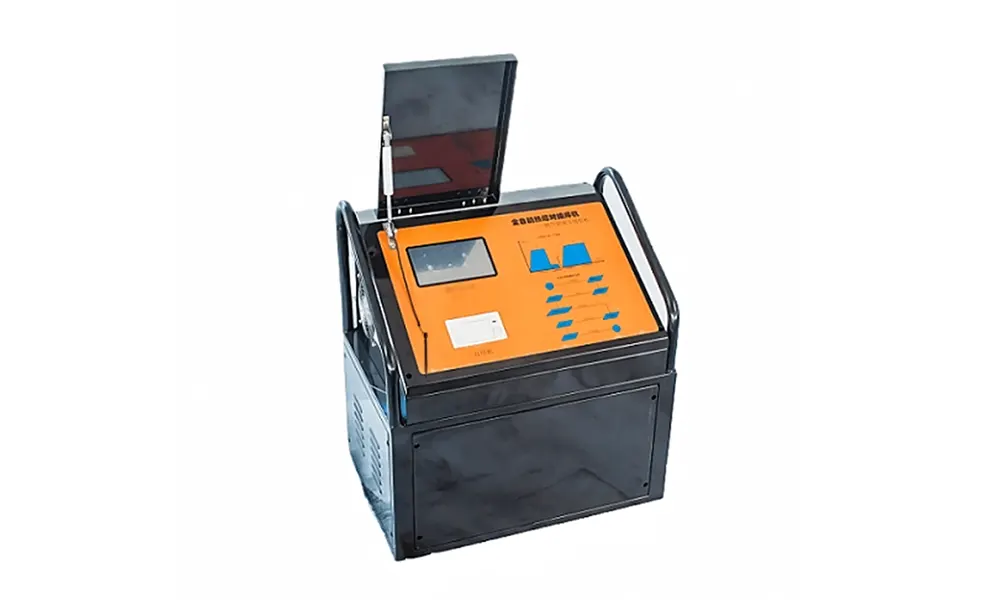
| Automatic / CNC | Large projects, long pipelines | High repeatability, data logging | Higher capital cost, training required |
Questions to ask every manufacturer
Warranty terms: How long, what’s covered on hydraulic systems and electronics?
Training & documentation: Are welding procedures, manuals in Spanish, and on‑site training available for Ecuadorian crews?
Shipping & customs support: Can the supplier handle export packaging, CIF quotations to Guayaquil, and provide paperwork to speed customs clearance?
Checklist for Ecuador project managers
– Confirm machine suitability for local pipe sizes and pressure ratings.
– Verify heater plate and clamp compatibility with PP/PE grades used by local suppliers.
– Ensure electronic controls can operate in tropical humidity and highland cold mornings.
– Ask about preventative maintenance kits and estimated Mean Time Between Failures (MTBF).
Value beyond the machine
Choose manufacturers that offer calibration services, certification documentation suitable for public tenders, and remote technical support. Local language support and Spanish manuals accelerate field adoption for construction crews across Ecuador’s provinces.
Trusted partner example
JQ-Fusion (https://jq-fusionwelding.com/) provides a broad portfolio of manual, hydraulic, and automatic butt fusion welding machines with global experience in water supply, gas distribution, and mining pipelines. For Ecuadorian projects, evaluate their models for portability, spare parts supply, and training options.
When selecting a manufacturer, balance cost with reliability, local serviceability, and compliance documentation. A well‑chosen butt fusion machine reduces rework, speeds installation, and ensures long‑lasting HDPE joints across Ecuador’s diverse environments. Request detailed specs, service commitments, and a site training plan before final purchase.



