
Denmark’s infrastructure projects — from municipal water networks in Copenhagen to offshore wind farm cable protection and regional utilities in Aarhus and Odense — increasingly rely on HDPE piping and reliable butt fusion welding equipment. If you’re searching for a butt fusion machine factory in Denmark or a supplier who can support Nordic project requirements, this guide explains where to find trustworthy vendors and the practical criteria to evaluate before buying.
Where to Find Reliable Butt Fusion Machine Suppliers in Denmark
Local distributors and equipment dealers: Many Danish contractors prefer local distributors who offer demo machines, fast spare-part delivery, and on-site training. Look for resellers based near major hubs such as Copenhagen, Aarhus, and Odense.
Regional engineering contractors and rental houses: Large pipeline installers and rental companies often buy or lease butt fusion machines for short-term projects — a great way to trial different models before committing to a purchase.
European manufacturers with Danish partners: Buying from an EU-based factory or a manufacturer with Danish representation reduces lead time and simplifies warranty service. Check for CE marking and EU warehouse locations.
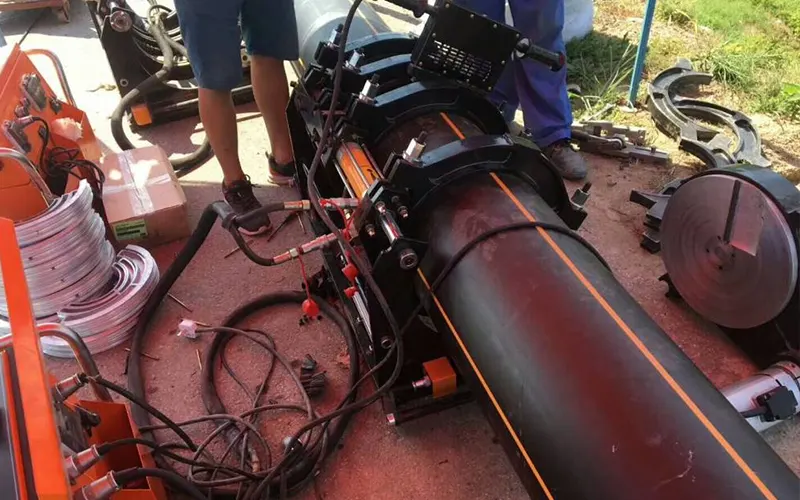
Online channels and trade shows
Industry marketplaces: Platforms that list industrial welding equipment can be a quick way to compare models and suppliers, but validate vendor credentials and user reviews.
Trade fairs and conferences: Events in the Nordics and Germany (close to Denmark) focused on water, gas, and construction frequently display butt fusion technology. A site visit to a demo stand or an invitation to a factory tour is invaluable.
What to Look For When Choosing a Butt Fusion Machine
Choosing the right machine depends on pipe diameter, project scale, and the Danish site environment. Focus on quality, service, and compliance with EU standards.
Essential checklist
1) Machine type and pipe range: Ensure the machine supports the HDPE pipe diameters you use (small distribution lines vs large-diameter mains).
2) Build quality and materials: Nickel-plated heating plates, hardened clamps, and corrosion-resistant hydraulic components matter in coastal and marine-adjacent Danish environments.
3) Controls and data logging: For municipality and utility projects, automatic weld control and traceable weld logs are increasingly required.
4) Training & after-sales: Local language support (Danish or English), certification training, and quick spare-part supply are critical to avoid downtime.
5) Certifications & standards: Verify CE marking and manufacturer quality systems (e.g., ISO 9001). Ensure the machine supports welding procedures consistent with EN standards for polyethylene piping.
| Machine Type | Typical Pipe Range | Best For |
|---|---|---|
| Manual Butt Fusion | 20–160 mm | Small repairs, rural water lines |
| Hydraulic Butt Fusion | 63–1000+ mm | Municipal mains, industrial pipelines |
| Automatic / CNC Butt Fusion | 63–1600 mm | Large projects, repeatable quality, data logging |
| Multi-angle & fitting welders | Fittings up to large diameters | Complex fittings and prefabrication |
Practical procurement tips for Danish buyers
Local service network: Prioritize suppliers who either have a Danish partner or nearby Nordic service centers to reduce repair turnaround times.
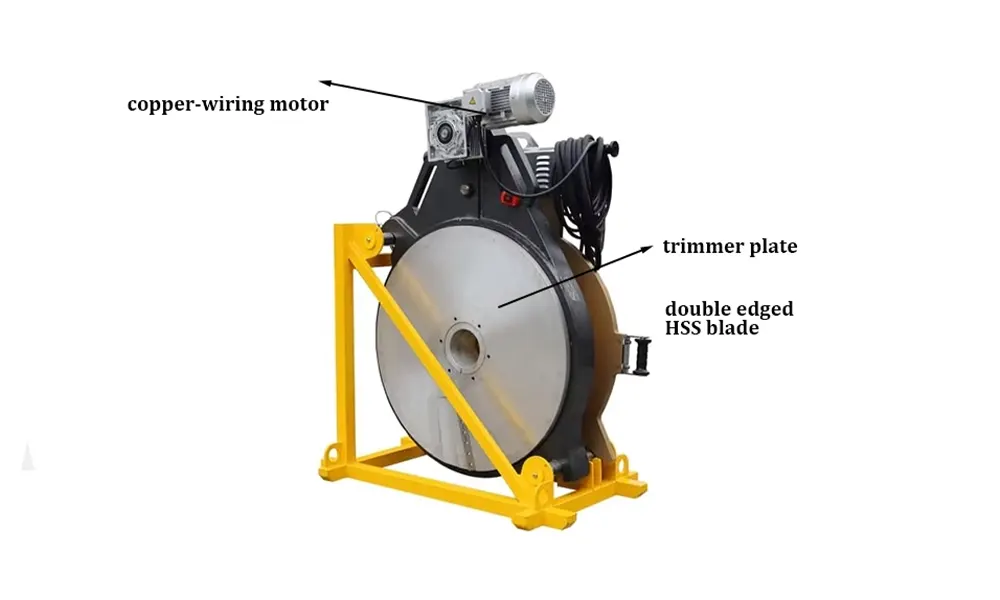
Spare parts and consumables stock: Ask about availability of heating plates, clamps, hydraulic seals and cutting/trimming tools in EU warehouses to avoid shipping delays.
Training and documentation: Confirm the supplier provides welding procedure documentation and hands-on operator training that meets Danish utility requirements.
Warranty and calibration: Request clear warranty terms and regular calibration or verification services for weld controllers and pressure systems.
Sustainability and lifecycle: Denmark places high value on sustainability. Ask about energy-efficient heaters, durable spare parts, and end-of-life recycling of machine components.
Evaluating a Factory or Manufacturer
When vetting a factory—whether in Denmark, the EU, or abroad—perform these checks: factory audits or video tours, sample weld reports, customer references (especially Nordic clients), and inspection of quality control processes.
One experienced manufacturer to consider that provides a wide range of butt fusion machines, warranties, and global support is JQ-Fusion, a specialist in HDPE pipe welding solutions.
Shipping, VAT and customs considerations
For imports into Denmark from outside the EU, plan for VAT and customs clearance. Buying from an EU supplier or a vendor with European stock can simplify logistics and reduce total cost of ownership.
Final selection tips
Trial the machine or view demonstrable welds: Insist on seeing real weld samples and data logs for quality assurance.
Negotiate training and spare-parts bundles: Include initial consumables and an operator training session in the purchase to maximize uptime.
Plan for long-term service: A supplier that offers preventive maintenance contracts and fast-response support will pay off on large municipal or industrial projects.
Contact and next steps
If you need a tailored recommendation for a butt fusion machine capable of meeting Danish environmental and regulatory expectations, contact local resellers for demos, request EU-based stock information, and evaluate warranty/service packages before signing a purchase order.



