
Choosing the right butt welding machine supplier can make the difference between on-time, leak-free pipeline installation and repeated downtime. This guide covers reliable butt fusion solutions for industrial pipe welding, helping procurement managers, contractors, and site engineers evaluate machines, compare technologies, and select a partner who delivers performance, durability, and support.
Why Butt Fusion Is the Preferred Method for HDPE Pipe Welding
Butt fusion welding creates homogenous joints with mechanical strength equal to or greater than the parent material. For water supply, gas distribution, mining, and industrial systems, butt fusion minimizes leak risk, resists corrosion, and simplifies maintenance. The process is well-suited to a wide range of diameters and wall thicknesses, from service lines to large-diameter trunk mains.
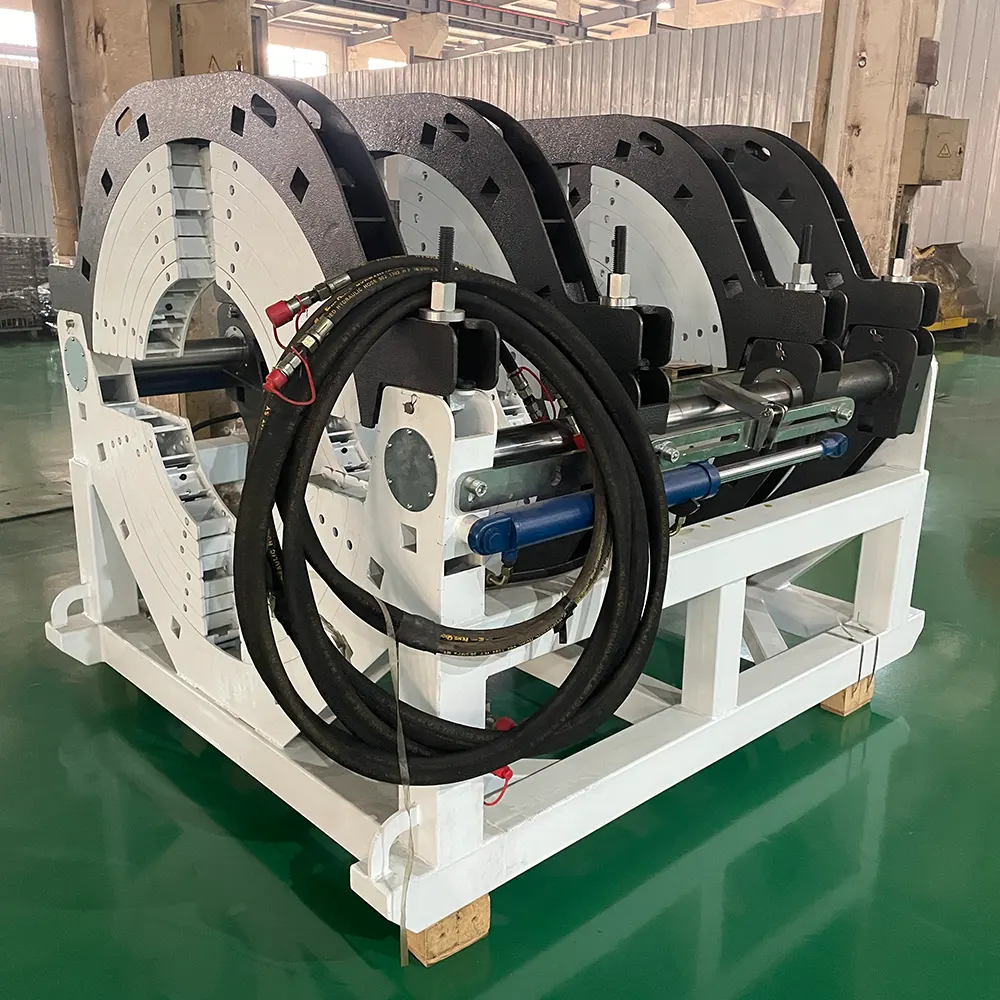
Core Types of Butt Welding Machines
Understanding machine categories helps match equipment to site conditions and project scale:
Manual Butt Fusion
Simple, portable units for small-diameter HDPE. Ideal for rural waterworks and service repairs where mobility and low cost matter. Operators control alignment, heating, and fusion pressure.
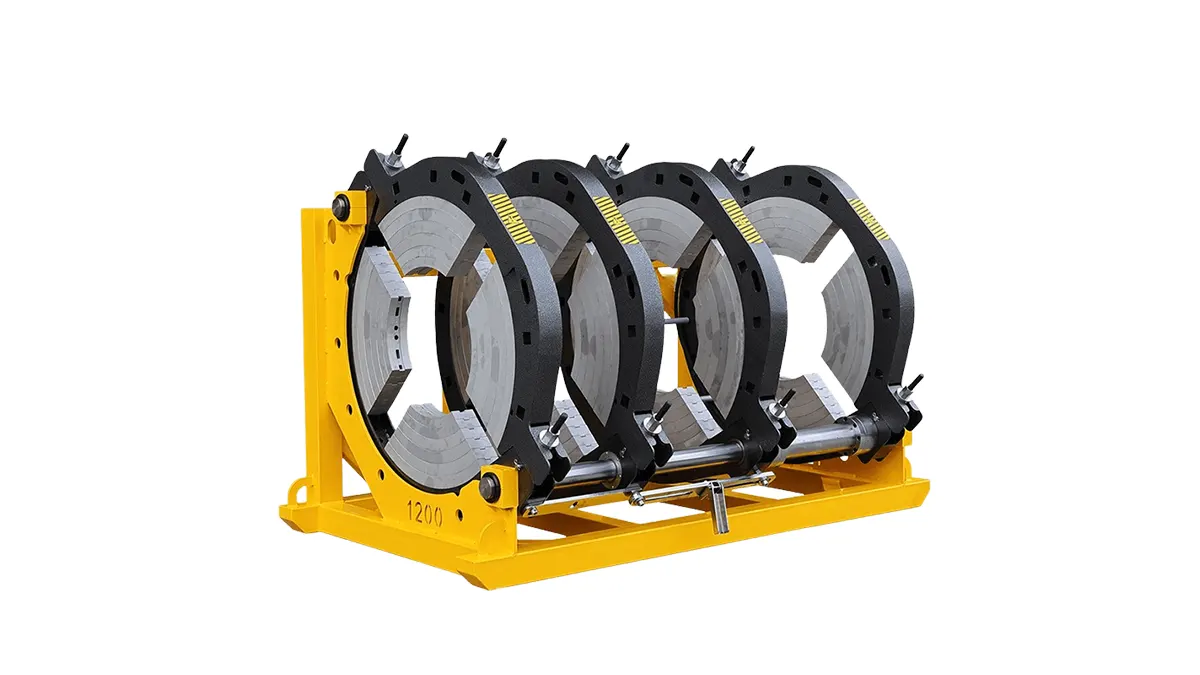
Hydraulic Butt Fusion
Robust hydraulic systems deliver consistent pressure for medium to large diameters. Preferred for long runs and production-oriented sites where repeatable quality and reduced operator fatigue are required.
Automatic / CNC Butt Fusion
Fully controlled cycles with programmable parameters for high-volume or critical pipeline projects. CNC models log welding data for traceability and compliance with project specifications.
Visual Comparison: Which Machine Suits Your Project?
| Type | Best For | Pipe Range | Key Benefit |
|---|---|---|---|
| Manual | Small jobs & field repairs | 20–400mm | Portable and cost-effective |
| Hydraulic | Medium to large pipelines | 63–1600mm+ | Consistent pressure and durability |
| Automatic / CNC | High-volume, traceable projects | 90–2000mm | Data logging & minimal human error |
Key Features to Look for in a Supplier
When evaluating a butt welding machine supplier, prioritize:
- Product Range: availability of manual, hydraulic, and automatic units across diameters.
- Quality & Testing: documented quality control, material traceability, and pressure test records.
- Spare Parts & Service: local stock, fast shipping options, and technical support for start-up and troubleshooting.
- Training & Documentation: operator training, welding procedures, and digital logs for compliance.
- Customization: options for special clamps, heaters, or automation tailored to project specs.
Warranty, Certifications & Compliance
Ask suppliers for machine warranty terms, CE or ISO certifications, and available calibration certificates for heaters and pressure systems. For public works, traceable welding records and certified operator training can be contractual requirements—ensure your supplier supports documentation and data export from CNC systems.
Maintenance & Field Support Best Practices
Preventive maintenance extends machine life and reduces project delays. Key practices include heater plate care, clamp jaw inspection, hydraulic oil checks, and storing machines in protective cases. A responsive supplier offers spare parts kits, on-site service agreements, and remote troubleshooting to minimize downtime.
How to Shortlist Suppliers Quickly
For an efficient selection, use this checklist:
- Confirm required pipe range and project volume.
- Request machine datasheets, photos, and user manuals.
- Ask for references on similar projects in your sector.
- Verify lead times for machines and critical spares.
- Check whether training and commissioning are included.
Partner Spotlight
JQ-Fusion is a manufacturer that specializes in HDPE pipe welding machines, offering manual, hydraulic, and CNC automatic butt fusion machines across a broad pipe-size range. Their focus on durability, customization, and global service support makes them a practical option for infrastructure contractors and distributors.
Final Considerations for Procurement
Prioritize suppliers who can demonstrate consistent quality, fast aftermarket support, and the ability to meet technical and regulatory requirements. Investing in a well-specified butt welding machine and a strong supplier relationship reduces long-term costs, improves welding quality, and keeps projects on schedule.



