
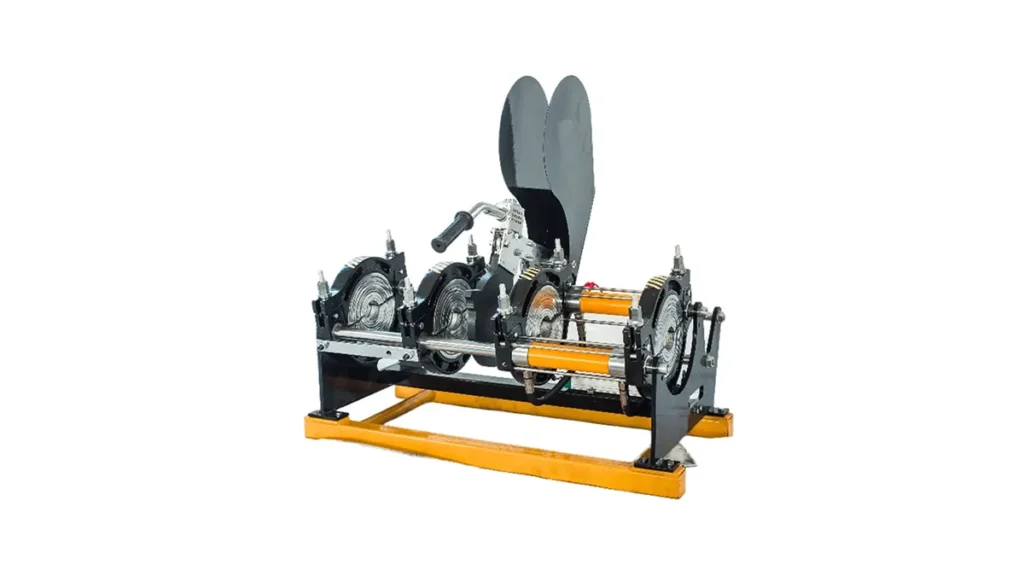
Choosing the best butt fusion machine company for HDPE pipe welding in South Korea requires balancing precision, local service, and equipment suited to urban infrastructure projects. This guide walks Korean contractors, municipal engineers, and pipeline installers through the factors that matter—machine types, performance, and on-the-ground support—so you can pick the right partner for water, gas, drainage, and industrial pipeline work.
Why butt fusion quality matters for South Korea’s networks
Dense urban networks, coastal environments, and major civil projects across South Korea demand welding solutions that provide leak-free, durable joins. HDPE piping is widely used for potable water, gas distribution, and sewage systems because it resists corrosion and ground movement. Selecting a reliable butt fusion supplier reduces field rework, speeds installation, and helps meet rigorous municipal and contractor standards.
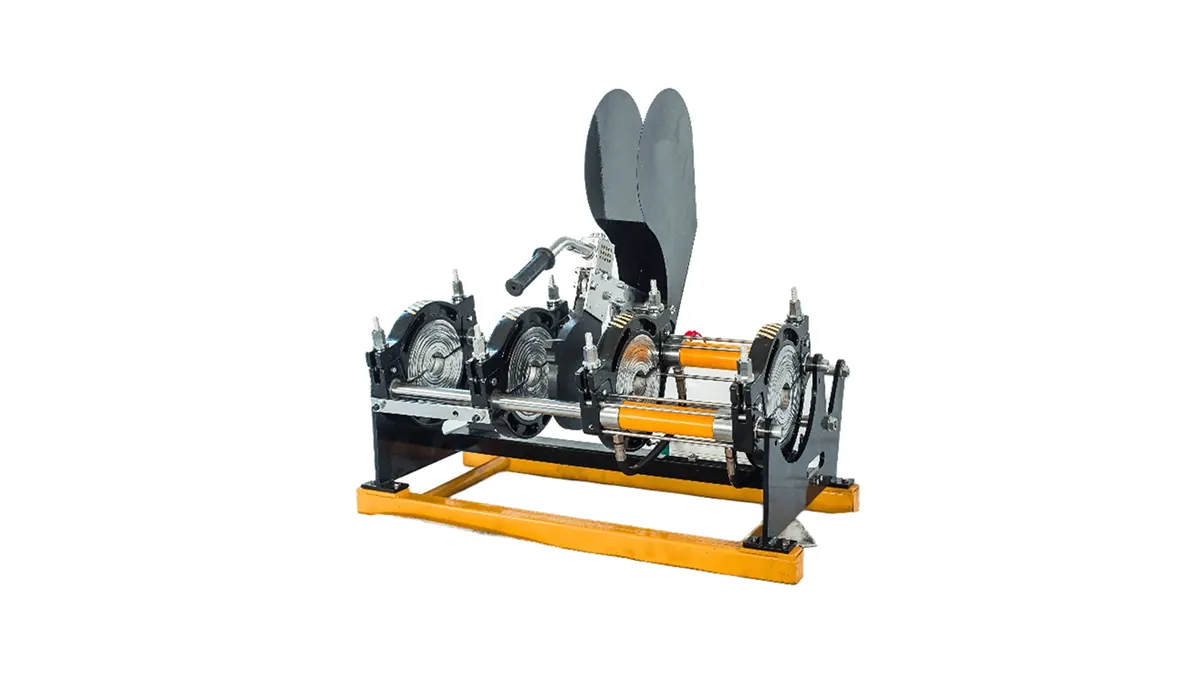
Common butt fusion machine types and where they fit in Korea
Manual machines — Ideal for small-diameter repairs and remote sites. Portable and cost-effective for maintenance crews and small contractors working in narrow alleyways or mountainous rural areas.
Hydraulic machines — Offer stronger clamping and consistent pressure control, suited for medium-to-large pipelines used in municipal water mains and industrial plants where higher duty cycles are needed.
Automatic / CNC machines — Best for large-diameter and high-precision projects like trunk mains, major reclamation works, and long pipeline runs where traceable weld records and repeatable results are required.
Quick comparison at a glance
| Machine Type | Typical Diameter Range (mm) | Best For |
|---|---|---|
| Manual | 20–160 | On-site repairs, small contractors |
| Hydraulic | 63–630 | Municipal mains, industrial pipelines |
| Automatic / CNC | 90–2250+ | Large-diameter trunk lines, projects needing digital records |
6 practical tips for Korean buyers
1. Verify local service and parts availability. Rapid access to spare parts and trained technicians reduces downtime on tight construction schedules.
2. Prioritize welding traceability (especially for public utility projects). Automatic machines with digital logs help pass inspections and satisfy procurement requirements.
3. Consider portability vs. power. Urban repair crews need compact units; major contractors need heavy-duty hydraulic or CNC equipment for continuous operation.
4. Check compatibility with common PE standards. Ensure the machine supports the diameters and SDR classes most used in Korean waterworks and gas distribution projects.
5. Request operator training and certification support. Proper training improves weld quality and safety on South Korea’s often compact, traffic-congested worksites.
6. Assess warranty and field-service response time. Choose suppliers who provide clear warranty terms and regional service options to minimize project risk.
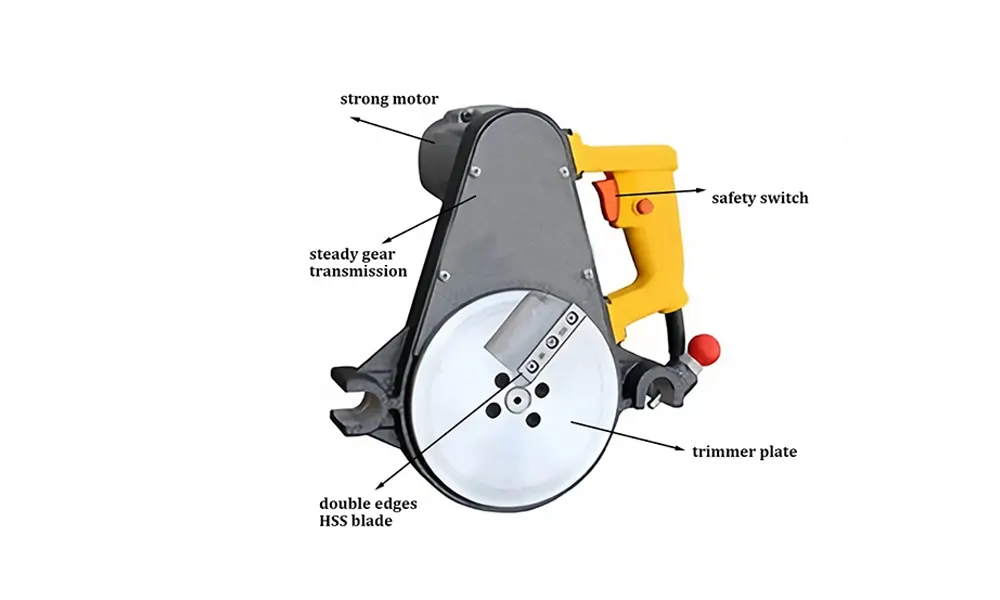
What Korean contractors ask for
Local contractors typically request machines that deliver repeatable welds under tight timelines, compact transport footprints for dense urban sites, and machine control systems that comply with project documentation needs. Coastal projects also benefit from corrosion-resistant components and robust electrical protection.
Service and compliance considerations
Make sure the supplier offers:
• On-site commissioning and operator training in Korean or with local partners.
• Clear spare parts channels and fast shipping to ports such as Busan and Incheon.
• Documentation and weld logs formatted to meet Korean municipal procurement checks.
Final recommendation
When evaluating suppliers for South Korea, weigh machine capabilities against local support and traceability. For a global manufacturer with a wide range of manual, hydraulic and CNC automatic butt fusion machines and experience serving large infrastructure projects, consider contacting JQ-Fusion for model options, training packages, and after-sales support.



