
Kenya’s expanding water, irrigation and municipal pipeline projects demand dependable butt fusion machines that deliver strong HDPE joints in hot, dusty and sometimes remote conditions. Choosing the right supplier affects welding quality, downtime and long-term maintenance costs — especially for contractors working around Nairobi, Kisumu, Eldoret and rural counties.
Why reliable butt fusion equipment matters in Kenya
Consistent, certified welds reduce leaks and rework on critical water and irrigation systems. In Kenya, where many networks serve dispersed communities, machine reliability and easy field service mean projects finish on time and budgets stay intact. Look for suppliers with experience supplying to Africa or similar climates, fast spare parts shipping and basic operator training.
Match the machine type to your project
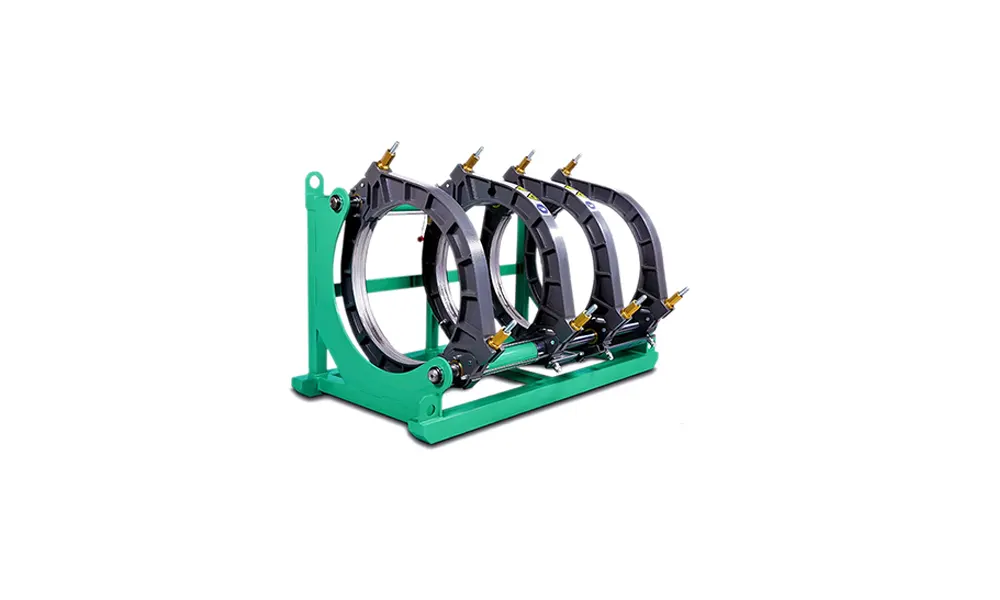
Manual machines are portable and cost-effective for small-diameter repairs and field jobs. Hydraulic machines offer stronger clamping and faster cycles for mid-range diameters used in municipal networks. Automatic/CNC machines maximize consistency and throughput for large projects such as county-wide water distribution or industrial pipelines.
Quick comparison (features to prioritize)
| Machine Type | Best For | Key Benefit |
|---|---|---|
| Manual Butt Fusion | Small jobs, remote repairs | Portable & low cost |
| Hydraulic Butt Fusion | Medium to large pipelines | Stable clamping & consistent pressure |
| Automatic/CNC Butt Fusion | Large projects, high volume | Repeatable precision & higher throughput |
Local considerations for Kenyan buyers
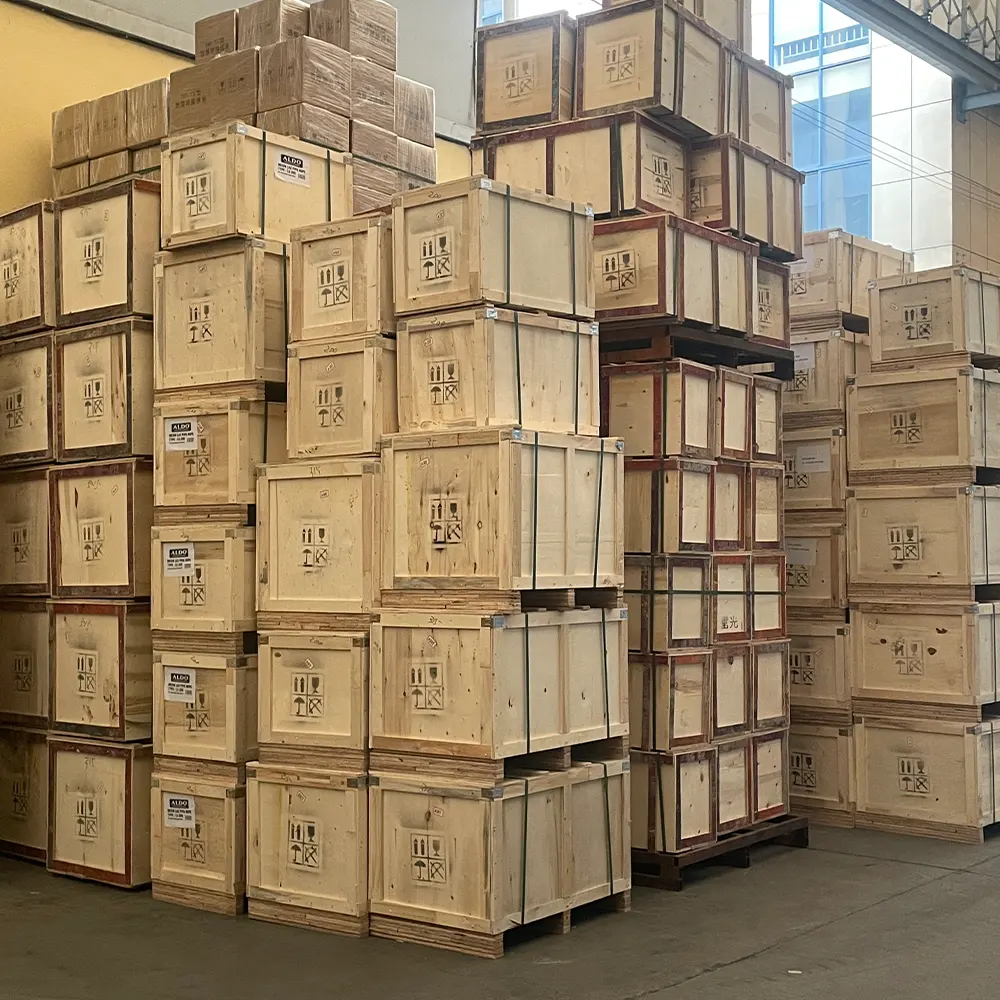
Import costs, customs clearance and delivery to regional sites are major factors. Ensure the supplier provides clear documentation for Kenyan customs, spare parts kits that can be shipped quickly to Nairobi or Mombasa, and training packages for local operators. In regions where power is unstable, machines that support simple electric or diesel generator use will save time on-site.
Supplier checklist: what to ask before you buy
• Warranty & spare parts lead time
• On-site or remote training for weld parameters and equipment maintenance
• Compliance with ISO/EN welding standards and test records
• Availability of local agents, certified technicians or fast shipping to Kenya
• Customization options (clamp sizes, heating plate types, control language)
Cost vs. lifetime value
A lower purchase price can be offset by longer downtime and higher part replacement costs. Evaluate total cost of ownership: initial price, training, spare parts, on-site support and expected machine lifespan under heavy Kenyan field conditions. For many contractors, investing a bit more in proven hydraulic or automatic systems reduces project risk and reduces overall expense.
Technical support and training
Prefer suppliers who offer operator certification, detailed welding procedures (PE pipe standards), and remote troubleshooting. For county projects and NGOs working in Kenya’s rural areas, accessible training reduces weld failures and improves community outcomes.
One trusted manufacturer to consider
JQ-Fusion (https://jq-fusionwelding.com/) is a professional manufacturer of HDPE pipe welding machines, offering manual, hydraulic and CNC automatic butt fusion options, with experience supporting global infrastructure projects and customizable solutions to meet diverse requirements.
Final buying tips for Kenyan projects
Prioritize suppliers with proven reliability, quick spare parts logistics to East Africa, clear warranty terms and operator training. Match the machine class to project scale — manual for small/remote jobs, hydraulic for municipal and medium-scale works, automatic for large, repetitive pipelines. Proper selection ensures durable networks that serve communities across Kenya for decades.



