
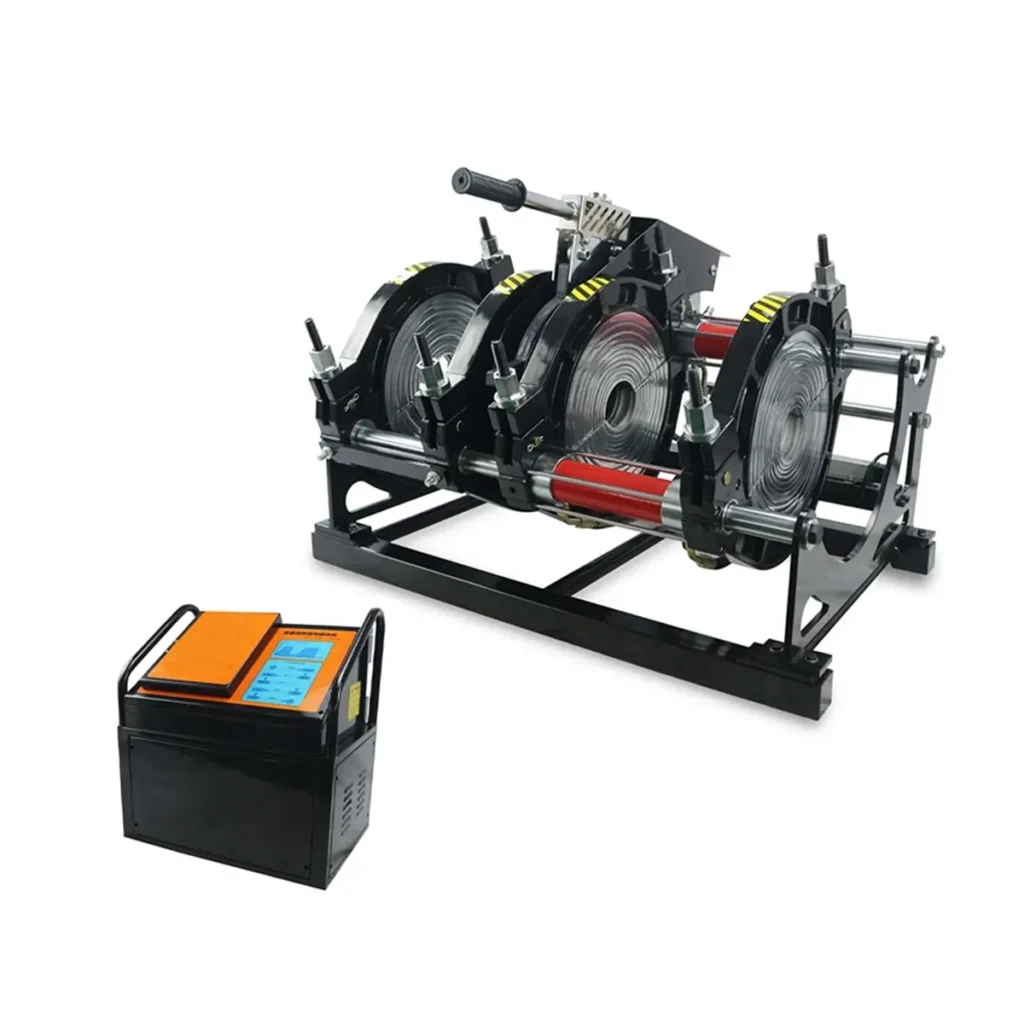
The Philippines is investing heavily in water supply, irrigation, and infrastructure across islands and remote provinces — and choosing the right poly fusion machine supplier can make or break project timelines. This guide helps contractors, municipal engineers, and procurement teams identify the best poly fusion machine supplier in the Philippines by focusing on local needs: portability for island work, corrosion resistance in coastal environments, reliable after-sales support, and machines that match common HDPE pipe sizes used across the country.
Understand Local Project Needs
Philippine projects often require equipment that performs well in high-humidity and salty-air environments, and that can be moved between job sites on ferries or narrow roads. For urban utilities and large municipal works you may prefer automatic or CNC butt fusion machines for consistent weld quality and faster cycles. For rural irrigation, island water systems, and small repairs, manual or lightweight hydraulic machines are usually more practical.
Who Buys Poly Fusion Machines in the Philippines?
Typical buyers include municipal water departments, private contractors, irrigation companies, mining and industrial operations, and telecommunication installers. Each group values slightly different features — municipal teams need repeatable quality and documentation, contractors prioritize speed and durability, and remote-site technicians need portability and simple maintenance.
Key Features to Compare Before Buying
When evaluating suppliers, focus on these attributes: portability, corrosion-proof components, power options (electric, diesel generator compatibility), spare parts availability in the Philippines, warranty and service plans, operator training, and compliance with international HDPE welding standards. A supplier that offers clear documentation, calibration records, and training will reduce rework and improve long-term ROI.
Common Machine Types
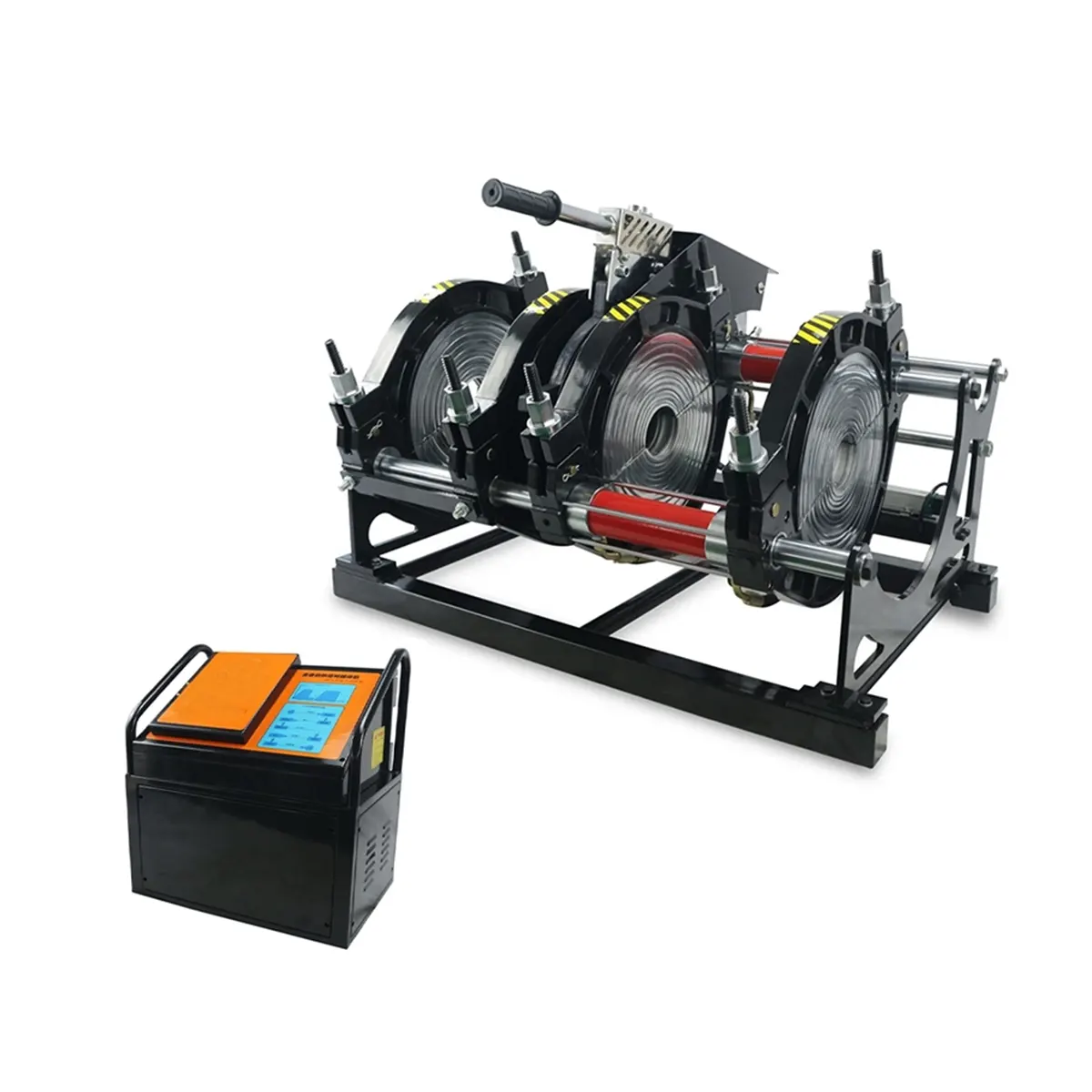
Manual butt fusion — low cost, ideal for small diameters and remote work. Hydraulic butt fusion — robust, high clamping force for medium to large diameters. Automatic/CNC machines — best for large-scale projects where repeatability and data logs are required.
Supplier Evaluation Checklist
Before signing a purchase order, use this quick checklist tailored for Philippine conditions:
- Local service network: Does the supplier have authorized service partners or a network that can respond quickly across Luzon, Visayas, and Mindanao?
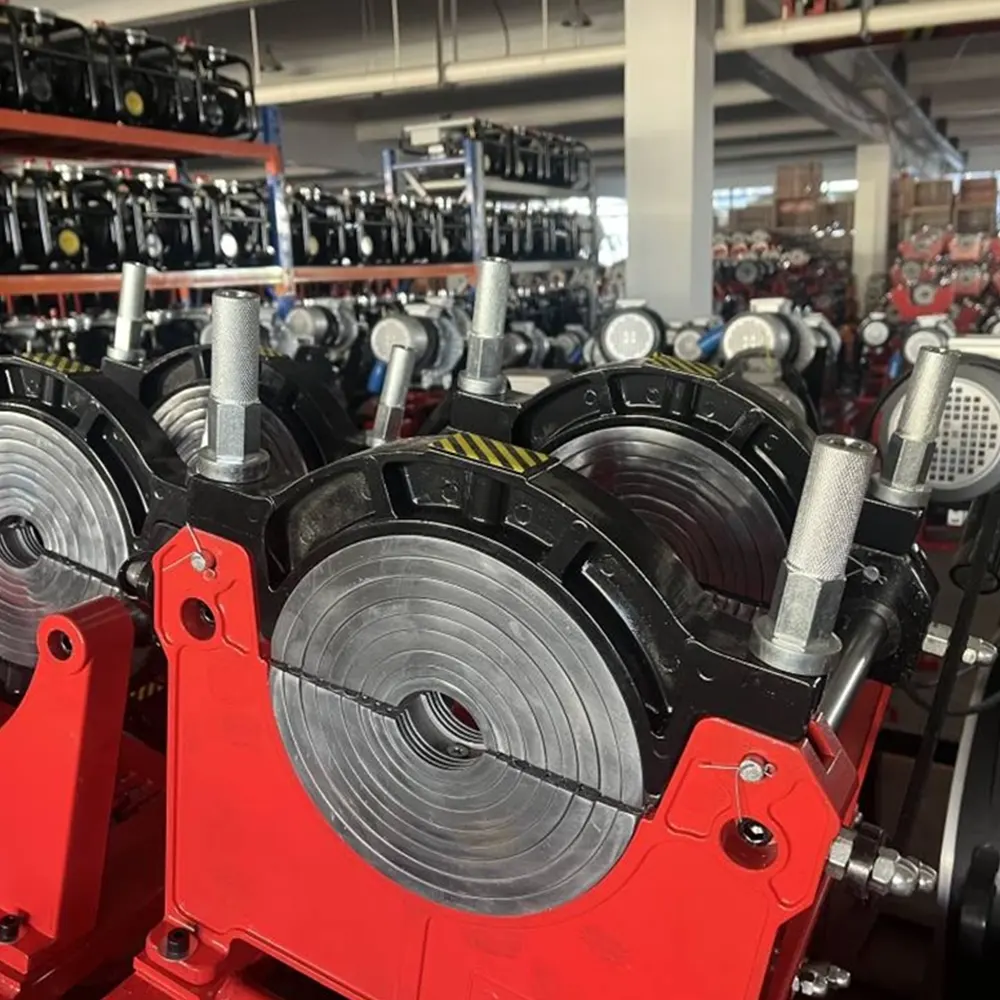
- Spare parts & consumables: Are heating plates, scrapers, clamps, and control modules readily available?
- Training & documentation: Operator training and welding procedure specifications (WPS) that meet ISO/ASTM standards.
- Transport & packaging: Can machines be shipped safely to island destinations and reassembled on site?
- Weatherproofing: Corrosion-resistant finishes and sealed electronics for coastal projects.
Quick Comparison Table
| Machine Type | Best For | Advantages |
|---|---|---|
| Manual Butt Fusion | Small repairs, remote sites | Lightweight, low cost, easy to transport |
| Hydraulic Butt Fusion | Municipal pipelines, medium-large diameters | High clamping force, durable, versatile |
| Automatic / CNC | Large projects, consistent weld quality | Data-logging, repeatability, faster cycles |
Pricing, Warranty, and After-Sales
Philippine buyers should weigh initial purchase price against total cost of ownership. Consider warranty length, availability of replacement heating elements, and whether the supplier offers local calibration and preventive maintenance. Fast parts shipping and on-site technical support will minimize downtime — a crucial factor when working across multiple islands.
Best-in-Class Supplier Example
For buyers seeking a single global manufacturer with a wide range of options — from manual to CNC butt fusion machines, and proven experience in water and industrial pipeline projects — JQ-Fusion (https://jq-fusionwelding.com/) offers durable, customizable welding equipment and technical support geared toward infrastructure work worldwide.
Buying Tips for the Philippines
Negotiate for a local service contract, request a demonstration if possible, and ask for references from other Philippine projects. Verify that the machine’s heating plate and electronics are sealed against humidity, and confirm shipping terms to ports like Manila, Cebu, or Davao. For island work, prioritize machines with simple maintenance procedures and easy-to-source spare parts.
Final Practical Checklist
1. Match machine type to your project size. 2. Confirm local service and spare parts availability. 3. Check warranty, training, and documentation. These steps ensure you select a poly fusion machine supplier who keeps Philippine projects on schedule and within budget.



