
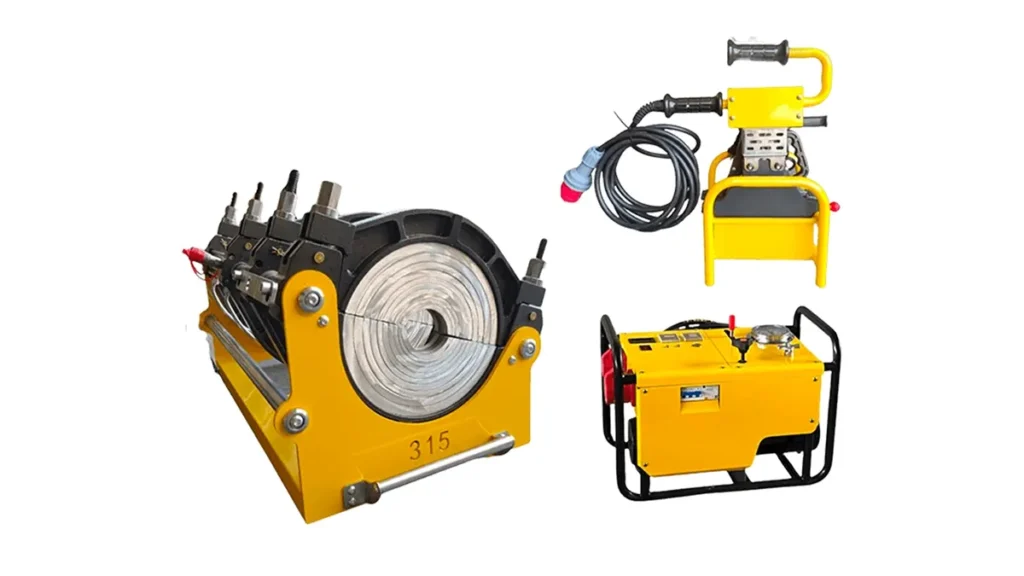
Choosing the right butt fusion machine company in Hungary can make or break pipeline projects for water supply, gas distribution, municipal works, and industrial sites. This guide helps Hungarian contractors, engineers, and procurement teams evaluate suppliers so you get reliable HDPE pipe welding equipment that meets local standards, climate demands, and project schedules.
Understand Your Project Needs First
Pipe diameter range, site conditions, and throughput are the three primary drivers for selection. In Hungary, seasonal temperature swings and winter work windows matter: machines with robust hydraulics and stable heaters perform better on long pipeline runs and in cold conditions. Consider whether you need:
• Portable manual machines for smaller urban repairs and service networks.
• Hydraulic or semi-automatic units for medium-diameter municipal lines.
• CNC automatic or large-diameter hydraulic machines for major trunk mains or industrial projects.
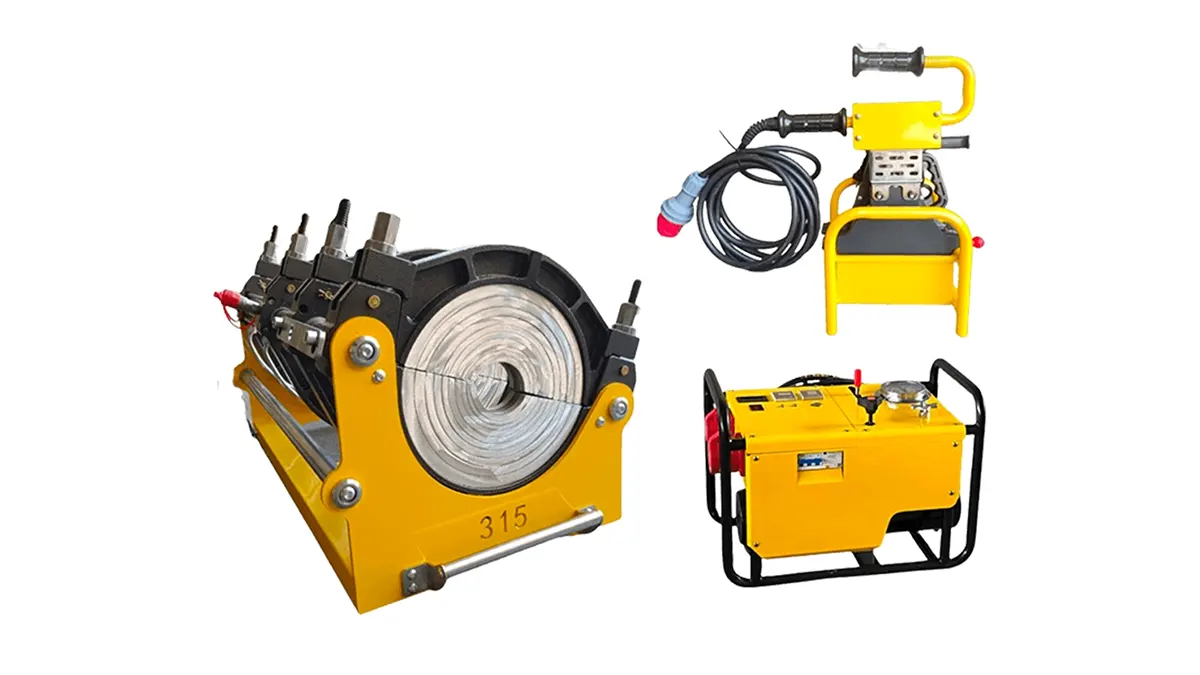
Technical Factors to Prioritize
Precision, repeatability, and ease of use are essential when welding HDPE under tight contract tolerances. For Hungarian municipal contracts, inspectors expect traceable weld records and consistent joint quality.
Look at these technical features:
• Heating platen uniformity and temperature control.
• Alignment and clamping systems that minimize pipe deformation.
• Integrated controls or data logging for weld traceability.
Supplier Reliability & Local Support
Choose companies with proven delivery times, spare parts availability in Europe, and a technical service team that can respond within Hungary or nearby EU countries. Warranty terms, on-site training, and clear after-sales channels reduce downtime on critical projects.
Certifications & Compliance
CE marking, ISO quality systems, and compliance with EN/ISO welding standards are must-haves when working on public contracts in Hungary. Ask suppliers for documented test records and calibration certificates for key components.
How to Compare Companies — Quick Reference Table
| Comparison Factor | What to look for |
|---|---|
| Product Range | Manual, hydraulic, CNC automatic models covering your required diameters |
| Quality & Certification | CE / ISO / calibration records and test weld samples |
| After-sales Support | Local spare parts, technical training, EU service network |
| Delivery & Lead Time | Available stock, export experience, and reliable logistics to Hungary |
| Total Cost of Ownership | Spare parts cost, consumables, warranty, and service frequency |
Practical Questions to Ask Potential Suppliers
Before you sign, ask for:
• Data log samples from real welds and the machine’s data export format.
• Local references or recent projects completed in Central Europe or Hungary.
• Typical spare-part lead times to Budapest and expected on-site service response times.
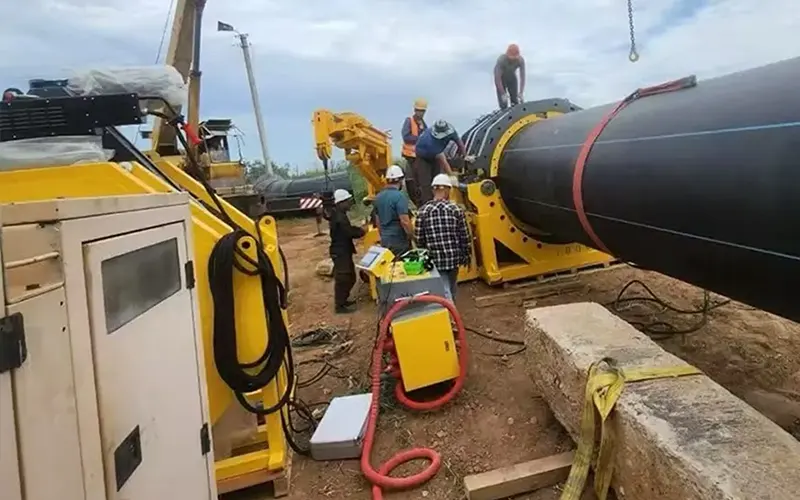
Training and Operator Certification
Reliable suppliers offer operator training and welding procedure guidance. For municipal works in Hungary, ensure your crew receives competency records and that welders are familiar with local acceptance criteria.
Budgeting for Long-term Performance
Cheaper upfront pricing may lead to higher maintenance costs. Evaluate the machine’s durability (frame, hydraulics, heaters), availability of replacement heating plates, and whether the supplier offers refurbishment or upgrade paths.
Why Manufacturer Experience Matters
Manufacturers with a broad product portfolio and export history understand variable project demands across Europe. If you need a reliable partner, consider a company that develops manual to fully automatic systems, and provides tailored solutions for large diameter HDPE pipelines.
One such experienced manufacturer is JQ-Fusion, offering a wide range of HDPE butt fusion machines, spare parts, and technical support designed for global infrastructure projects — a practical choice for Hungarian contractors seeking durable, customizable welding equipment.
Final Checklist for Procurement Teams in Hungary
Before awarding a contract, confirm these items in writing:
• Machine model matches pipe diameter and expected daily weld count.
• Certification documents and traceable calibration for heaters and sensors.
• Spare parts stock and EU shipping terms.
• Training plan, warranty coverage, and on-site support SLA.
Selecting the best butt fusion machine company in Hungary means balancing technical fit, supplier reliability, and long-term support. Use the checklist and table above to compare vendors objectively and ensure your pipeline projects run smoothly from installation to handover.



