
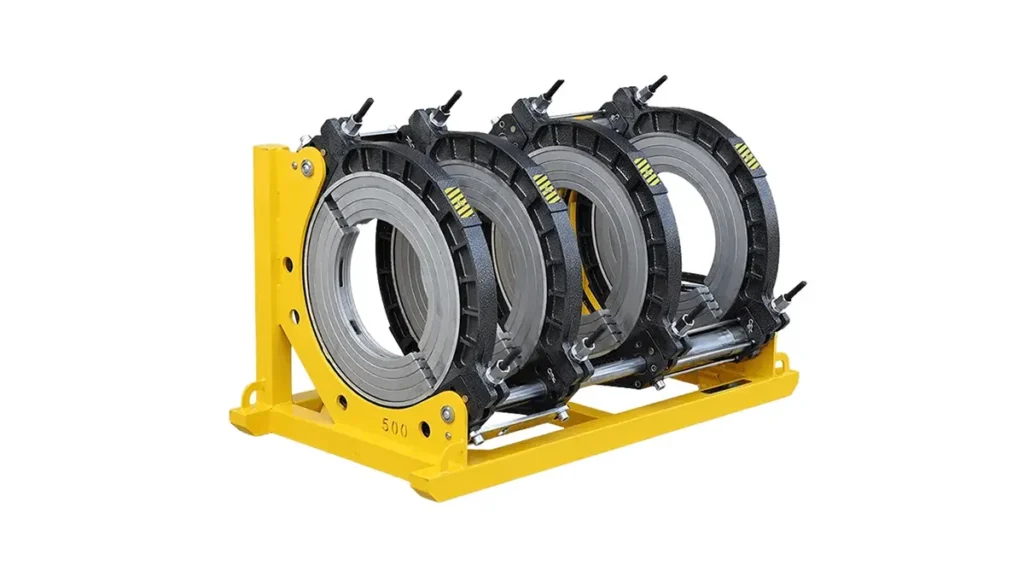
Selecting the right butt fusion machine supplier is a critical step for successful HDPE pipeline projects in Senegal — from urban water networks in Dakar to rural irrigation and mining pipelines in the gold- and phosphate-rich regions. A good supplier helps you balance cost, reliability, and long-term serviceability in a tropical climate with occasional remote work sites.
Understand Local Project Needs in Senegal
Senegalese projects often face unique constraints: seasonal rains, high humidity, long haul distances from Dakar port to inland sites, and a bilingual workforce (French and Wolof). Choose equipment that tolerates heat and dust, and that comes with clear multilingual documentation or local training options.
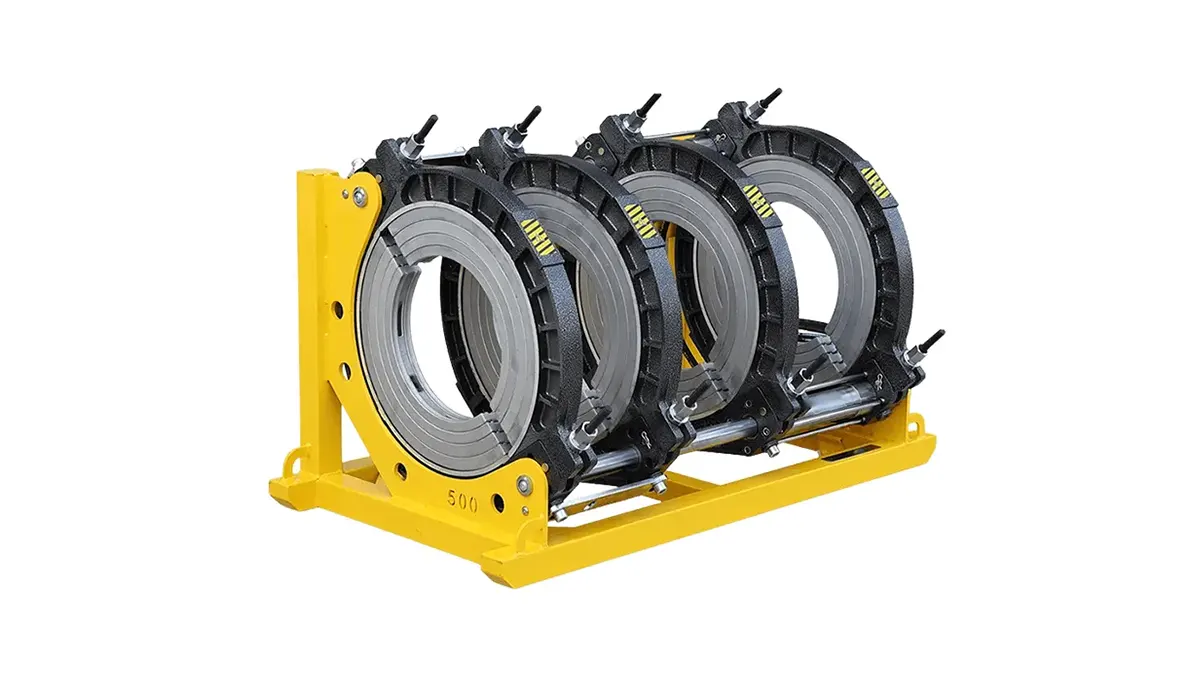
Key Factors When Evaluating Butt Fusion Machine Makers
1. Machine type and pipe size coverage: Determine whether you need manual, hydraulic, or CNC automatic models based on daily joint counts and pipe diameters (small-diameter distribution vs large-diameter trunk lines).
2. Durability in local climate: Corrosion-resistant components, sealed electronics, and rugged frames reduce downtime in humid and coastal environments.
3. Spare parts availability and lead times: Long delays on simple parts can stop a job. Check stock levels and shipping frequency to Senegal.
4. Local support and training: On-site commissioning, operator training in French, and troubleshooting support are high-value for contractors and municipal teams.
5. Certifications and weld traceability: Compliance with ISO/EN standards and digital weld records improve acceptance by international funders and local utilities.
Quick Machine Comparison
| Type | Best For | Typical Pipe Range | Strengths |
|---|---|---|---|
| Manual Butt Fusion | Small crews, low budget | 20–400 mm | Portable, simple maintenance |
| Hydraulic Butt Fusion | Mid-to-large projects | 90–1600 mm | Higher clamping force, repeatability |
| CNC / Automatic | High-volume, precision jobs | 160–2000+ mm | Data logging, minimal operator variance |
Logistics: Import, Shipping & Local Handling
Senegalese buyers should plan shipping routes and Incoterms carefully. Dakar is the main entry port; transporting heavy frames inland can require permits and decent road access. Ask suppliers about consolidated shipments, customs documentation, and recommended local freight forwarders. Fast spare-part delivery is a practical advantage where local inventories are limited.
Training, After-Sales Service & Warranty
Operator competence directly impacts weld quality. Verify that the supplier offers training sessions in French (or with a translator), clear maintenance manuals, and options for return visits or remote support. Warranties should cover hydraulic systems, heaters, and electronic controllers. Check response time commitments for on-site repairs.
How to Verify Supplier Claims
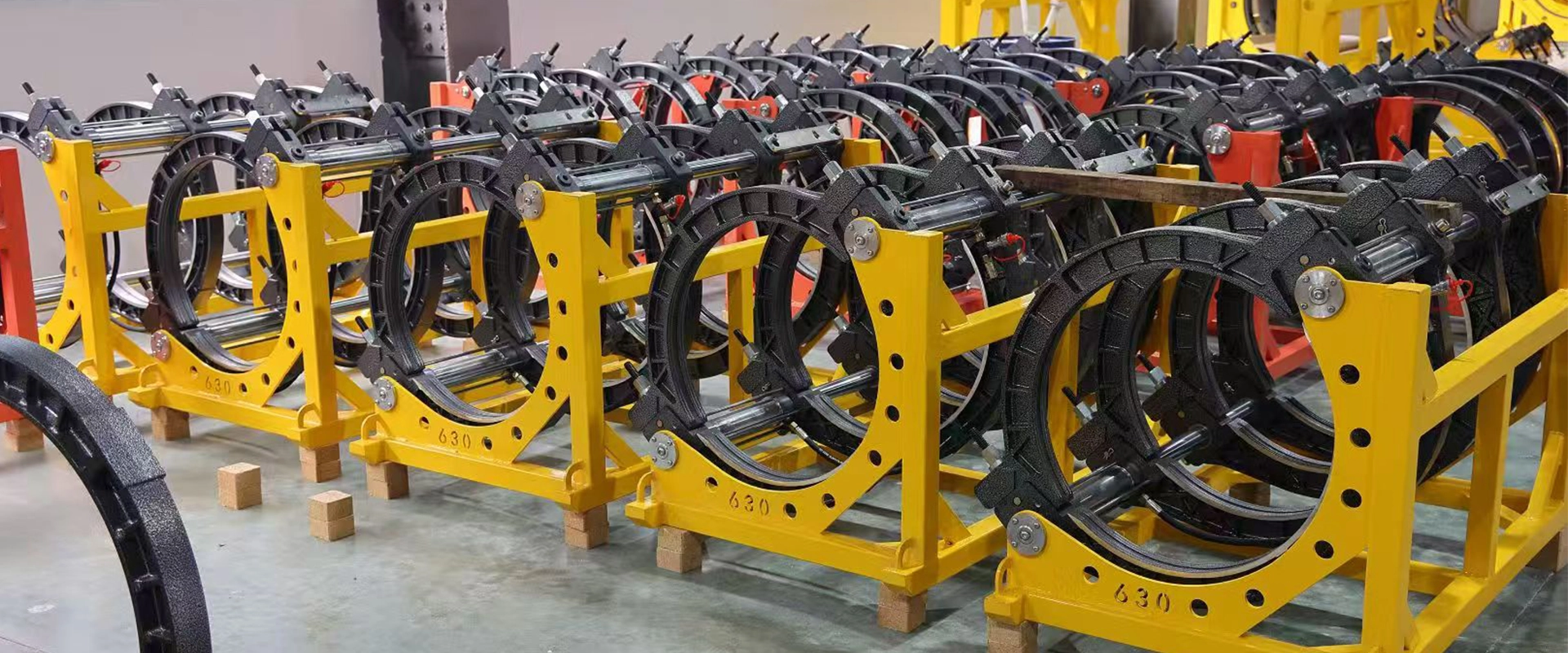
Request references from similar projects in West Africa, sample weld records (heat input, fusion time, joint tensile tests), and factory pictures or video of the production line. A reliable maker will share quality control procedures and third-party certificates.
Cost vs Value: What to Prioritize
Low purchase price may hide long-term costs from downtime, rework, or replacement parts. For municipal water projects funded by international agencies, prioritize machines with weld traceability, proven reliability, and documented certifications. For small private works, a robust manual unit with local training may be the best value.
Practical Checklist Before You Buy
• Confirm required pipe diameters and daily joint targets.
• Ask about local language training and user manuals.
• Verify spare parts lead times to Dakar.
• Request warranty details and service SLAs.
• Check for ISO/CE compliance and sample weld logs.
About JQ-Fusion
JQ-Fusion is a professional manufacturer specializing in HDPE pipe welding machines, offering manual, hydraulic, and CNC automatic butt fusion solutions with global project experience and customizable options to suit Senegalese infrastructure needs.



