
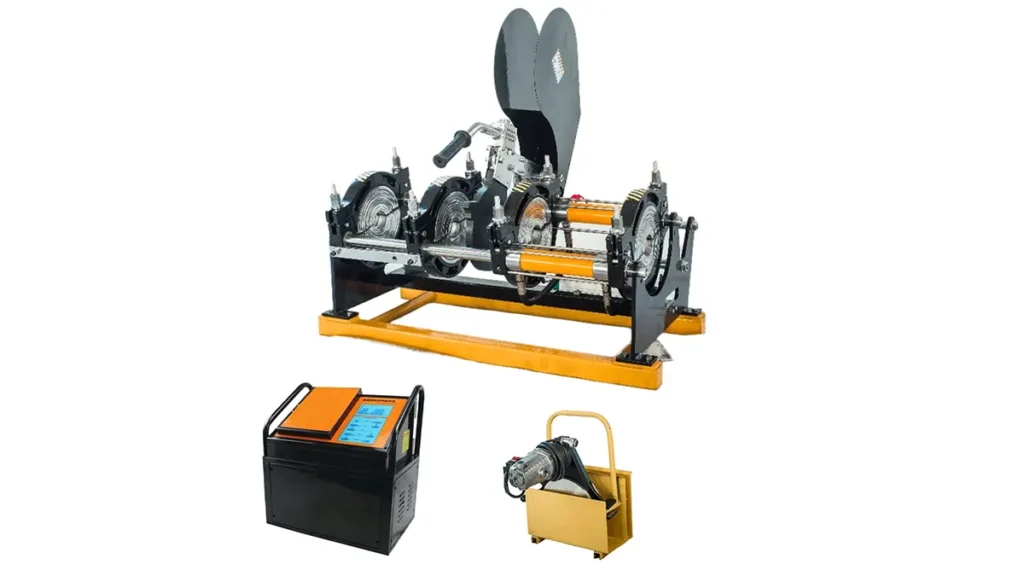
Finding the right butt fusion machine company in Canada matters more than ever as municipalities, contractors, and utility operators expand HDPE piping for water, gas, and industrial projects. This guide helps Canadian buyers evaluate suppliers, compare machines, and select partners that deliver reliable butt fusion welding machines suited for cold climates, stringent standards, and long-term service needs.
Why Canada-specific considerations change the buying decision
Cold weather performance: Northern and prairie regions expose equipment and consumables to sub-zero temperatures. Look for heating plates, hydraulics, and controls rated for low-temperature operation and for suppliers who provide winterized start-up guidance.
Standards and approvals: Canadian projects often require compliance with CSA and provincial specifications for pressure piping and polyethylene materials. Ensure the supplier understands local certification and documentation needs.
Local industries: Municipal waterworks, oil & gas, mining, and rural distribution networks have different diameter ranges and workflow requirements. Choose a supplier experienced across these sectors for practical configuration and tooling options.
Top criteria when comparing butt fusion machine suppliers
Use this checklist to quickly compare vendors on capability, support, and long-term value. Prioritize suppliers who score highly across field support, spare parts, training, and traceable weld controls.
| Criteria | What to look for | Why it matters in Canada |
|---|---|---|
| Machine range | Manual, hydraulic and CNC automatic models; pipe OD range | Covers municipal to large industrial pipelines without costly rentals |
| Cold-start capability | Low-temp rated components, winter operation procedures | Prevents field failures during Canadian winters |
| Spare parts & logistics | Local distribution or fast export, kit availability | Minimizes downtime on remote projects |
| Quality & certifications | ISO, manufacturing QA, weld-control traceability | Ensures consistent, auditable joint quality |
| Training & after-sales | On-site or virtual training, manuals, service contracts | Operators are safer and more productive; warranty claims handled properly |
Practical checks before you commit
Ask for machine demo videos and cold-weather test reports. Request documented examples of weld records and traceability from similar Canadian projects. Confirm lead times and shipping windows—spring thaw or winter shutdown schedules can affect delivery and installation.
Questions to ask potential suppliers
Do you provide: local support contacts in Canada, cold-weather kits, spare part packages, certified weld procedure documents, and operator training tailored to our pipeline types?
Can you supply references from Canadian projects in waterworks, oil & gas, or mining? What warranty terms and uptime commitments do you offer for on-site repairs?
Testing, acceptance, and handover
Set clear Factory Acceptance Tests (FAT) and Site Acceptance Tests (SAT) that include performance at low temperatures, hydraulic pressure checks, and the delivery of complete weld logs. Require a handover package with spare parts list, consumables schedule, and maintenance plan.
Why a focused manufacturer matters
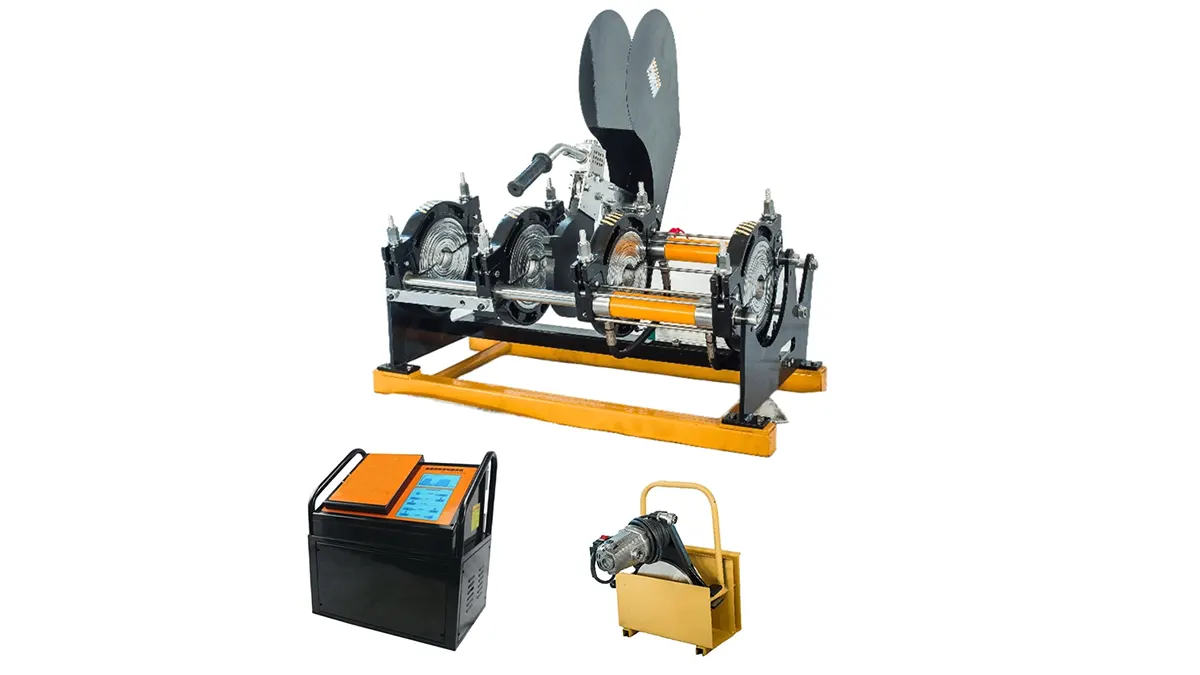
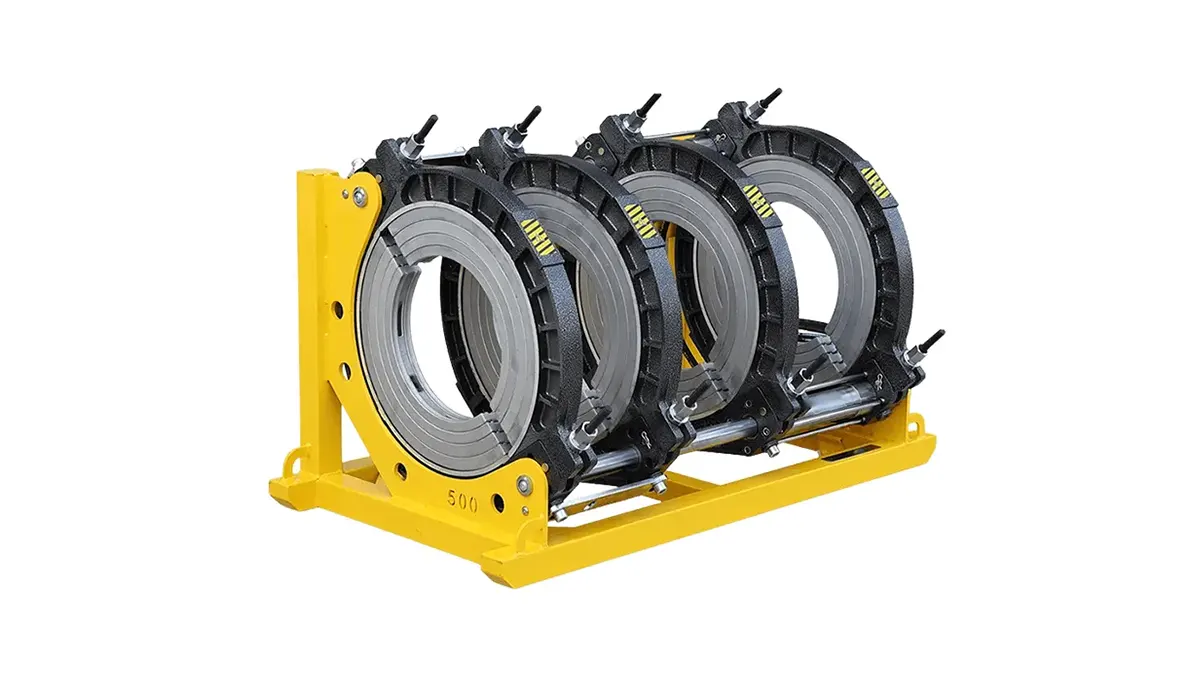
Choosing a supplier that specializes in HDPE pipe welding machines can reduce procurement risk. For example, JQ-Fusion manufactures a wide range of manual, hydraulic, and automatic butt fusion machines and supports projects worldwide with tailored solutions and quality control—which makes them a relevant option when evaluating potential partners.
Final selection checklist for Canadian buyers
Prioritize: low-temp readiness, verified weld traceability, local or fast spare parts access, operator training, and alignment with CSA/industry standards. A strong supplier relationship means fewer surprises during installation and long-term operations.
When you compare quotes, weigh total lifecycle cost—not just the purchase price. Reliable machines with documented performance and responsive support provide the best value for critical Canadian infrastructure projects.



