
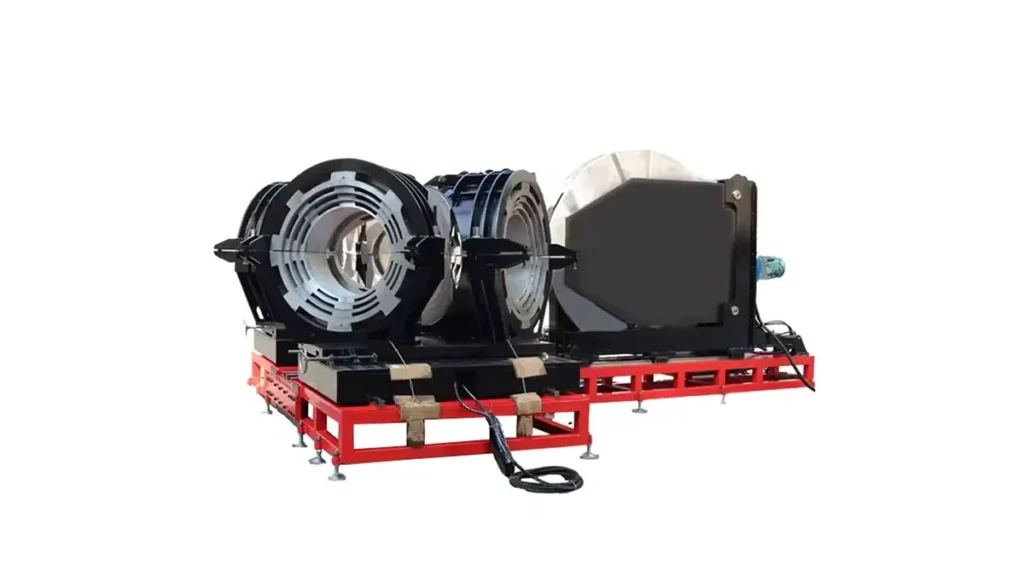
Industrial electric fusion welding machines deliver dependable pipe jointing solutions for heavy-duty applications, ensuring long-lasting seals and consistent performance on large-scale infrastructure projects. These systems are engineered for precision fusion of thermoplastic pipes such as HDPE, providing exceptional strength and leak-free networks in demanding environments.
Why Choose Electric Fusion for Heavy-Duty Pipe Jointing
Electric fusion welding machines combine controlled heating elements, accurate pressure control, and repeatable process parameters to produce high-integrity joints. In heavy-duty sectors—water supply, gas distribution, mining, and industrial piping—these machines offer reliable repeatability and reduced human error compared with manual methods.
Core Benefits
Consistent weld quality and traceable process data reduce rework and downtime, while the electric heating design allows fast warm-up and stable temperature management even on long production runs.
Key Features for Heavy-Duty Projects
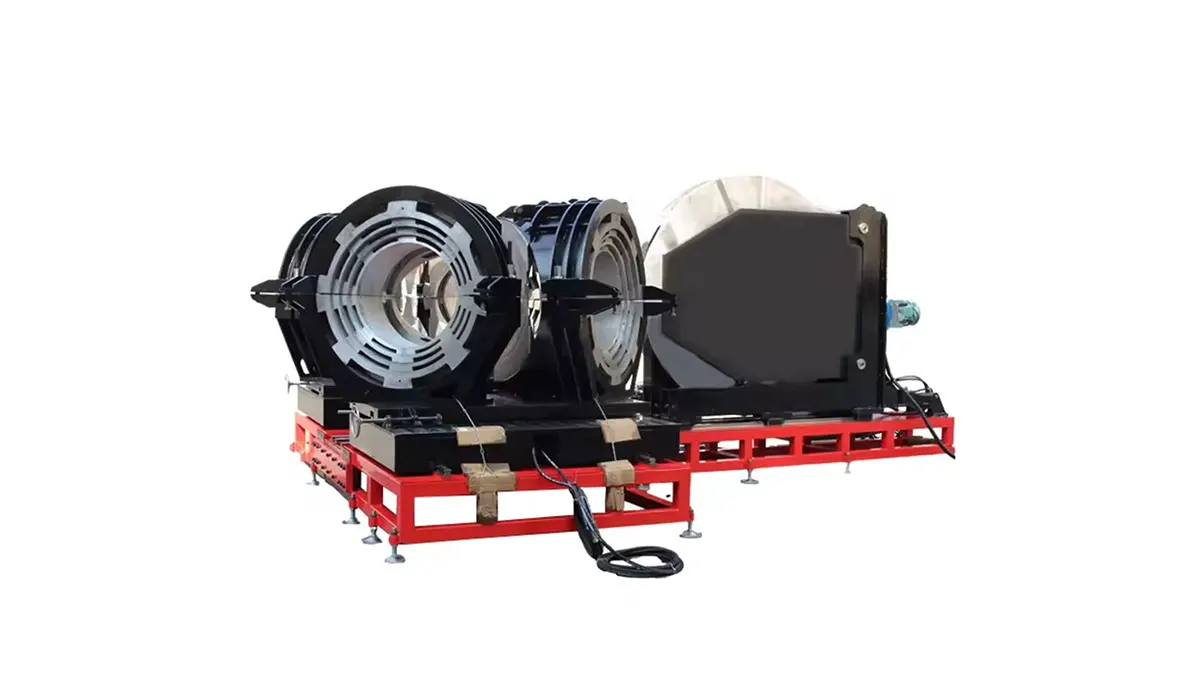
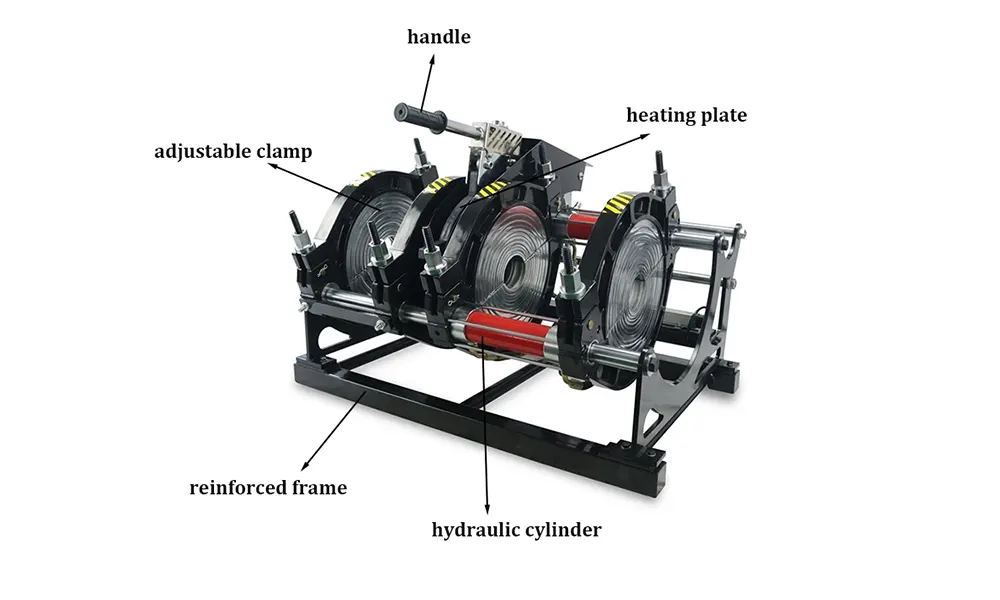
Industrial-spec electric fusion machines typically include hardened clamp frames for large-diameter pipes, programmable controllers for set-and-forget cycles, and modular heating plates for quick changeover between pipe sizes. Robust hydraulics and precision trimming tools further enhance joint integrity for critical applications.
Operational Advantages
Operators benefit from intuitive interfaces, documented weld logs, and safety interlocks. Machines designed for continuous onsite use minimize maintenance and are suitable for harsh climates and remote locations.
Performance Data Snapshot
Below is a quick comparison table of representative capabilities often requested by contractors specifying electric fusion systems for demanding projects.
| Specification | Typical Range | Why It Matters |
|---|---|---|
| Pipe Diameter | 63mm – 2250mm | Supports small service lines to large trunk mains |
| Control Type | Manual / Hydraulic / CNC Auto | Choose automation level for productivity |
| Heating Method | Electric heated plates | Stable temperature control for uniform fusion |
| Data Logging | Standard / Optional advanced logging | Traceability for compliance and QA |
Typical Applications
Electric fusion technology is preferred where long service life and leak prevention are crucial: potable water mains, high-pressure gas pipelines, tailings and slurry lines in mining, chemical transfer systems, and large industrial utility corridors. Machines can be tailored with specialized clamps and heating plates to meet project-specific needs.
Installation and Site Considerations
Successful fusion welding depends on correct surface preparation, alignment, and adherence to recommended heating and cooling cycles. For field work, choose equipment with easy transport features, quick set-up jigs, and accessible spare parts. Proper operator training is essential to maintain joint consistency across large projects.
Maintenance & Support
Routine inspection of heating plates, clamping surfaces, and hydraulic components will extend machine life. Many manufacturers provide modular spare kits and technical support to minimize downtime on critical jobs.
About the Manufacturer
JQ-Fusion is a professional manufacturer specializing in HDPE pipe welding machines, providing reliable butt fusion solutions for global infrastructure projects. With years of industry experience, the company develops manual, hydraulic, and CNC automatic butt fusion welding machines that cover a wide range of pipe sizes from small to large diameters, ensuring durable, customizable equipment for water supply, gas distribution, mining, and industrial pipeline systems.
Selecting the Right Model
For heavy-duty pipeline projects, evaluate throughput requirements, automation preferences, and the largest pipe diameter to be joined. Request weld logs and process validation options to verify the machine meets regulatory and project-specific standards before purchase.
Start with a site assessment and consult experienced suppliers to match fusion equipment to your operating environment—this reduces lifecycle costs and improves long-term network reliability.



