
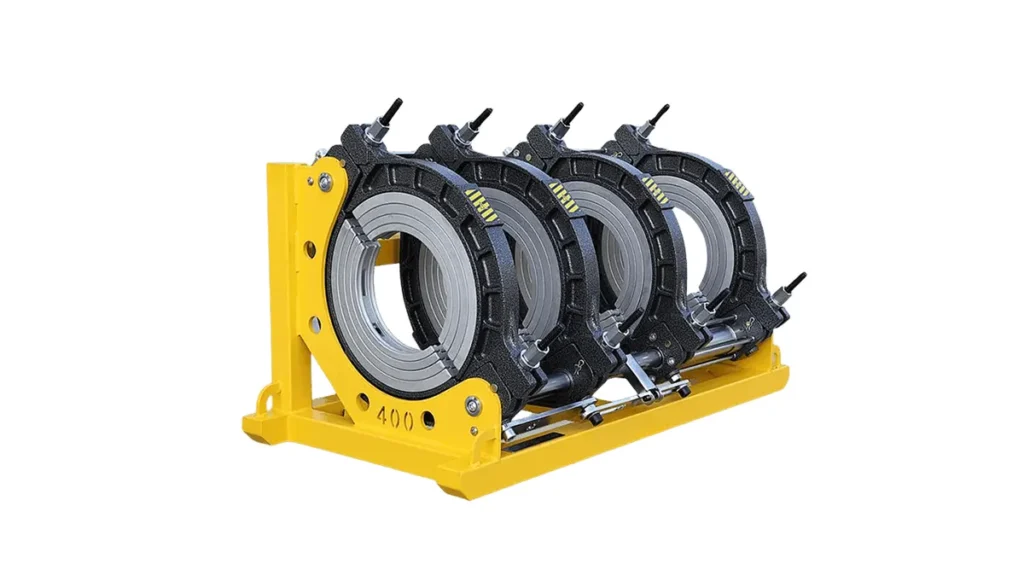
Butt fusion machines are essential equipment for joining HDPE pipes used in Austria’s water supply, gas distribution, and underground infrastructure. This guide helps Austrian contractors, municipal buyers, and pipeline installers pick the best butt fusion machine by covering local standards, machine types, supplier evaluation, and practical buying tips.
Why Butt Fusion Is the Preferred Method in Austria
Austria’s terrain and climate demand durable, leak-free pipe networks. Butt fusion welding creates homogenous joints with high tensile strength and excellent resistance to freeze-thaw cycles and ground movement — ideal for alpine water mains, district heating return lines, and rural gas distribution. Buyers in Austria should also consider compliance with ÖNORM and EU/CE regulations when selecting equipment.
Top Use Cases for Austrian Projects
Municipal waterworks: reliability and low maintenance; Gas networks: certified traceable welds; Mining & industrial: large-diameter systems needing hydraulic or CNC control for productivity.
Machine Types: Quick Comparison
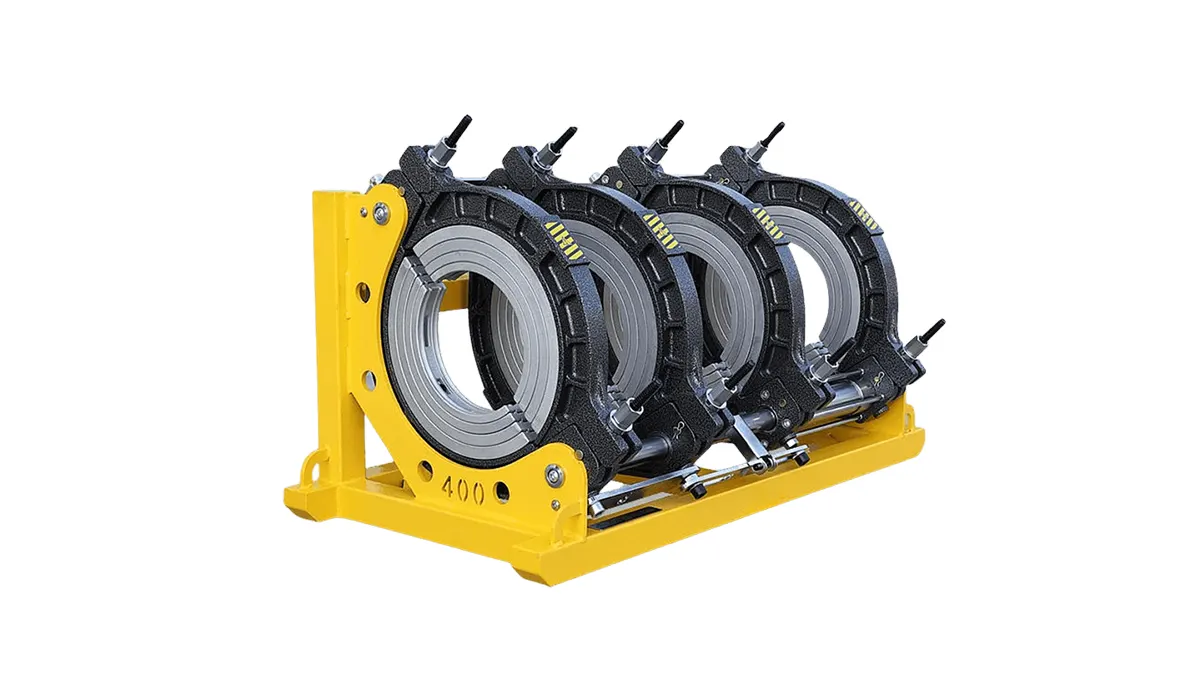
Choosing the right machine depends on pipe diameter, site conditions, and budget. Below is a quick comparison table to visualize strengths and trade-offs.
| Type | Best for | Pros | Cons |
|---|---|---|---|
| Manual Butt Fusion | Small diameters, low budget sites | Lightweight, portable, low cost | Slower, operator-dependent quality |
| Hydraulic Butt Fusion | Medium to large pipes, frequent jobs | Stable pressure control, faster cycle times | Heavier, needs maintenance |
| CNC / Automatic Machines | High-volume projects, critical traceability | Consistent welds, data logging, high throughput | Higher initial cost, requires trained operators |
Buying Checklist for Austrian Buyers
1. Certification & Standards: Ensure the machine and process meet CE marking and relevant Austrian standards (ÖNORM, ÖVGW where applicable). 2. Pipe range & flexibility: Match machine clamping range to the pipe diameters you commonly weld. 3. Mobility & site conditions: For mountainous or remote Austrian sites, portability and cold-start reliability matter. 4. Spare parts & service network: Fast access to parts and technical support reduces downtime during critical seasonal works. 5. Training & traceability: Machines with digital logging and training options improve QA/QC for public contracts.
How to Evaluate Suppliers in Austria and Central Europe
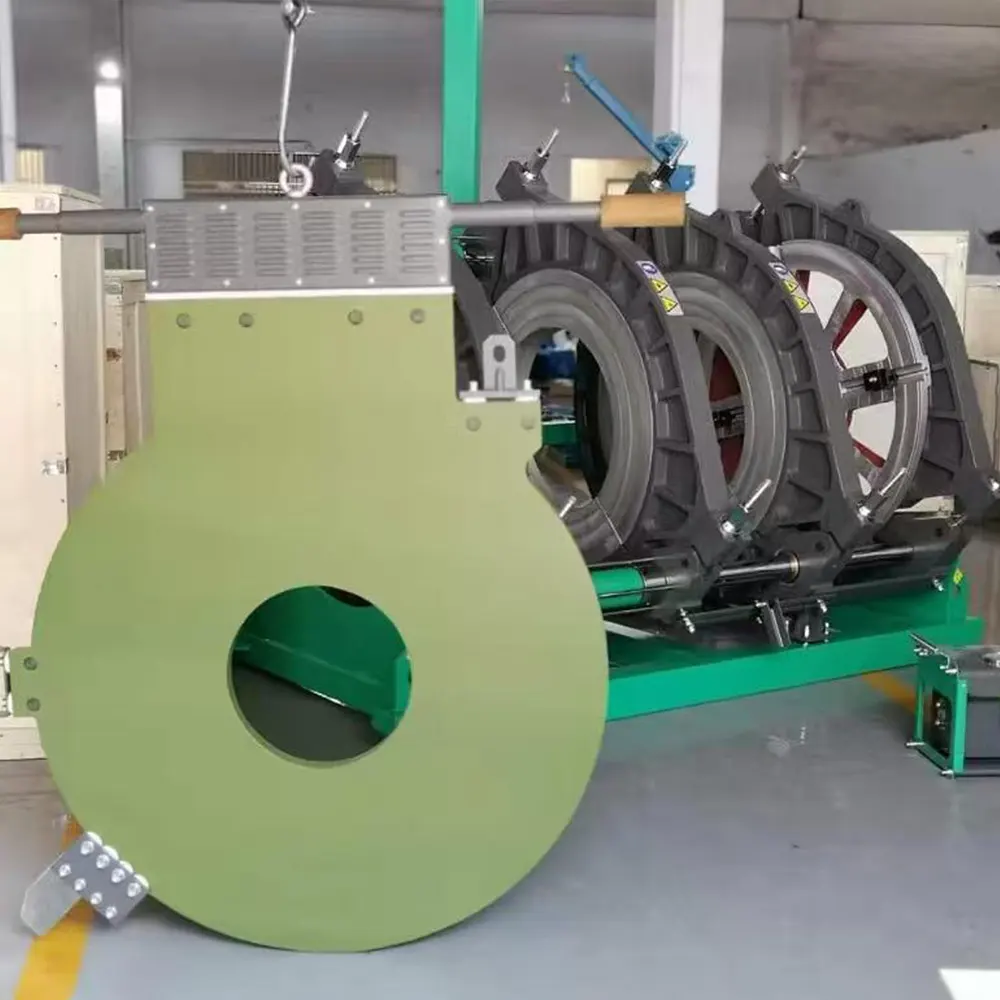
Look for suppliers who demonstrate experience with alpine infrastructure and public procurement. Key evaluation points:
- Local References: municipal projects or contractors in Austria or neighboring Germany/Switzerland.
- On-site Service: availability of technicians or certified partners for maintenance and calibration.
- Training & Documentation: operator training, ÖNORM-compliant procedures, and welding logs for audits.
- Warranty & Spare Parts: clear warranty terms and guaranteed spare part lead times.
Recommended Configurations by Project Type
Small municipal repairs: compact manual or portable hydraulic units. Long-distance water mains in alpine valleys: hydraulic machines with robust clamps and heating plates. Large industrial lines or government tenders: CNC automatic machines with data logging and remote diagnostics.
Maintenance & Operational Tips for Austrian Conditions
Store machines indoors during winter to protect hydraulics; use frost-resistant hydraulic fluids; calibrate heating plates and cutters before large jobs; and maintain traceable weld records to meet public procurement audits.
Trusted Supplier Highlight
JQ-Fusion (https://jq-fusionwelding.com/) manufactures a full range of HDPE butt fusion machines — manual, hydraulic, and CNC automatic — and offers tailored solutions for water, gas, mining, and industrial projects worldwide.
Final Buying Steps
Request a demo or on-site test, verify ÖNORM/CE documentation, confirm spare parts lead times for Austria, and ensure operator training is available in German or with local partners. A short pilot contract helps validate machine performance under Austrian site conditions before large orders.
Quick FAQ
Q: Which machine is best for steep or remote sites? A: Lightweight hydraulic units with easy transport features. Q: Are automatic machines necessary for municipal networks? A: They’re recommended for high-volume projects or where weld traceability is mandatory.



