
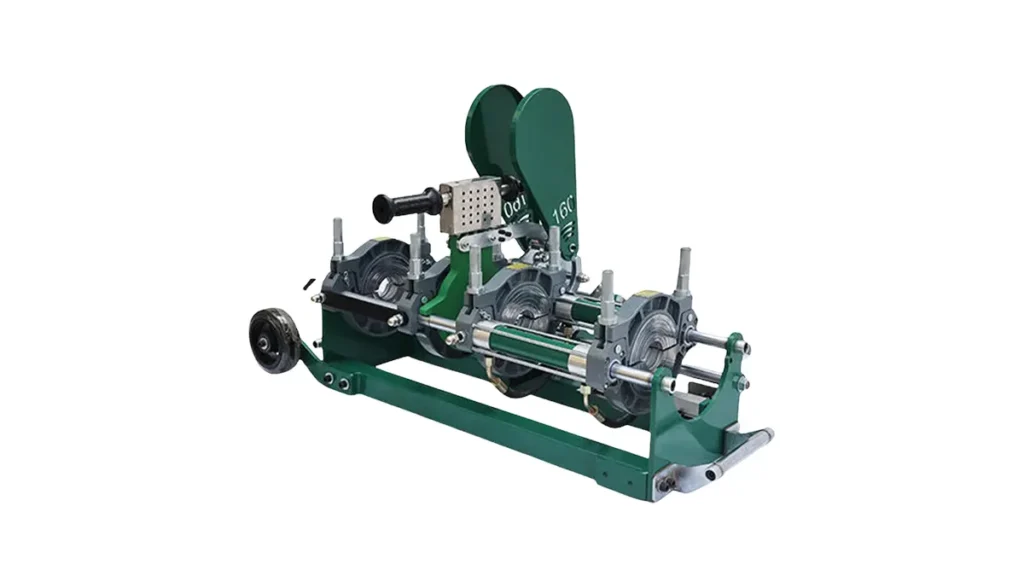
In Sri Lanka’s rapidly developing infrastructure landscape, reliable pipe welding machines are essential for water supply, irrigation, and industrial pipeline projects. Towns, estate roads and rural communities depend on robust HDPE joints that resist monsoon-driven soil movement, salty coastal conditions, and long-term UV exposure.
Why HDPE Butt Fusion Works Well in Sri Lanka
Butt fusion welding creates homogeneous joints that match the strength of HDPE pipe material — a major advantage where leak-free performance matters for drinking water networks, agricultural irrigation, and seaside installations. The method is forgiving on uneven terrain and ideal for modular site work, which suits Sri Lanka’s mix of urban upgrade projects and remote village installations.
Factory Solutions & Machine Types
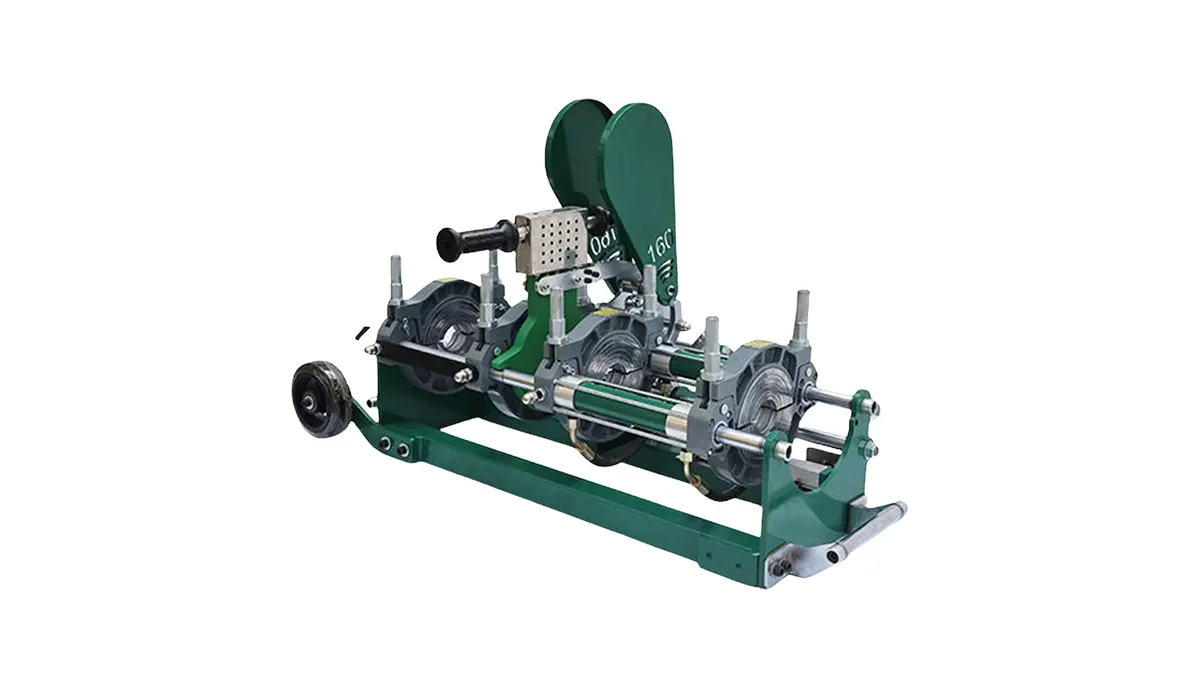
Manufacturers supply a range of machines tailored to on-site demands: compact manual units for small-diameter repairs, hydraulic systems for mid-range pipelines, and CNC automatic machines for high-volume or large-diameter projects. Choosing the right class reduces downtime and improves weld consistency — especially important during short dry seasons when many public works are scheduled.
| Machine Type | Typical Pipe Range | Best Use in Sri Lanka |
|---|---|---|
| Manual Butt Fusion | 20mm – 160mm | Rural repairs, small utilities, estate plumbing |
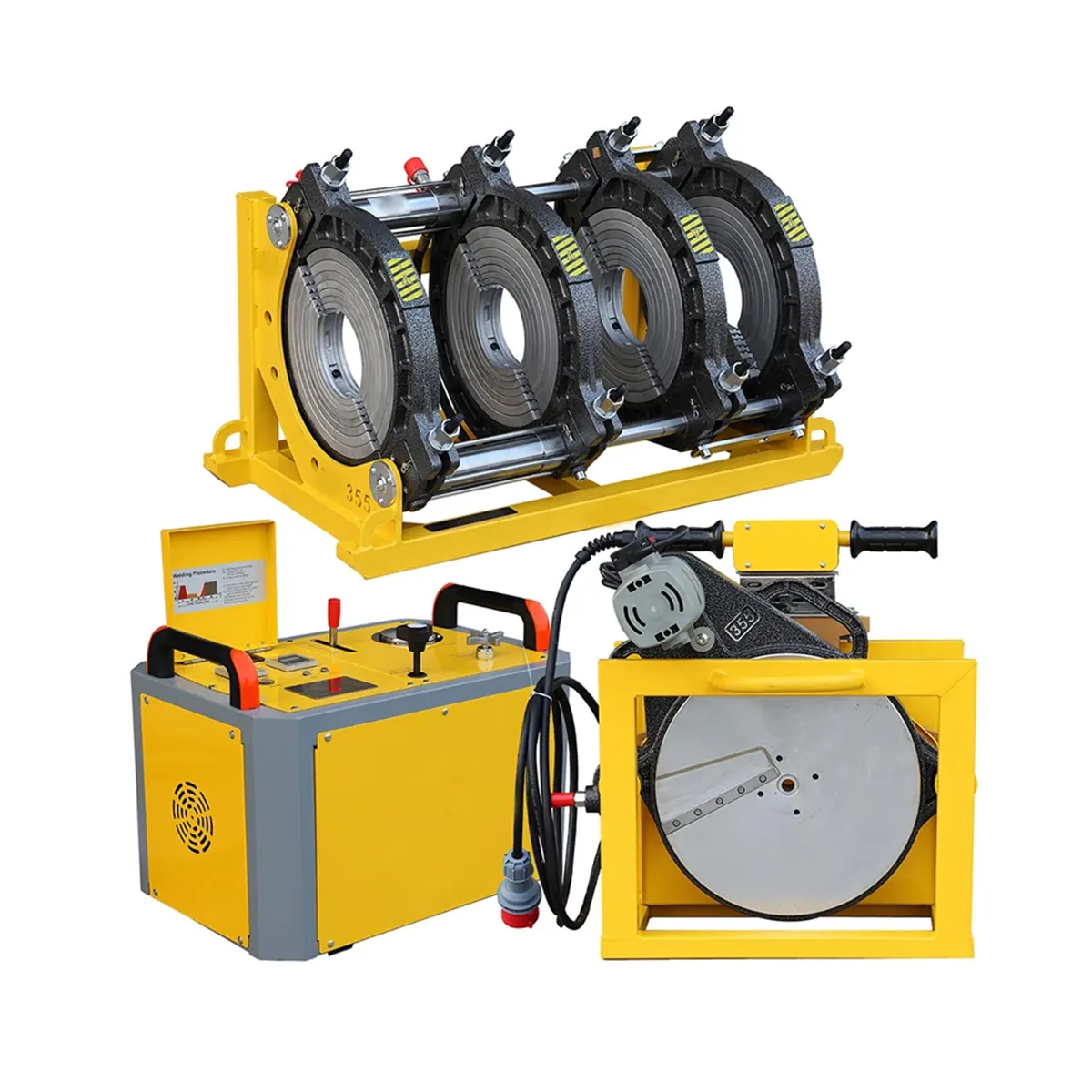
| Hydraulic Butt Fusion | 160mm – 1000mm+ | Municipal trunk lines, irrigation schemes |
| Automatic / CNC | 200mm – 2250mm | Large diameter, long runs, utility contractors |
| Multi-Angle Fitting Machines | Fittings & branches | Complex network nodes, industrial connections |
Key Benefits for Local Contractors and Municipalities
Durability: Properly fused HDPE joints resist leaks and reduce long-term maintenance costs — a clear benefit where access to remote sites is difficult.
Speed: Faster installation reduces labor and disruption in densely populated areas like Colombo suburbs and fast-growing towns.
Adaptability: Machines that operate reliably in humid, salty coastal air or during the inter-monsoon period keep projects on schedule.
Selecting Equipment for Sri Lankan Conditions
When selecting welding equipment for local projects, prioritize machines with corrosion-resistant components, easy transportability for plantation and hillside sites, and clear control interfaces that reduce training time for crews. Look for suppliers offering spare parts, on-site commissioning, and training to ensure consistent weld quality across dispersed teams.
Typical Applications Across Sri Lanka
Agricultural irrigation channels and village water supply systems, urban and suburban potable water mains, industrial process piping for tea factories and food processing, and coastal saltwater-resistant installations are common applications where HDPE butt fusion is widely used.
Procurement & Support
For procurement, spare parts, and technical support refer to the manufacturer at https://jq-fusionwelding.com/ — they provide a full range of manual, hydraulic, and automatic butt fusion welding machines designed for global infrastructure projects and adaptable to Sri Lanka’s varied environments.



