
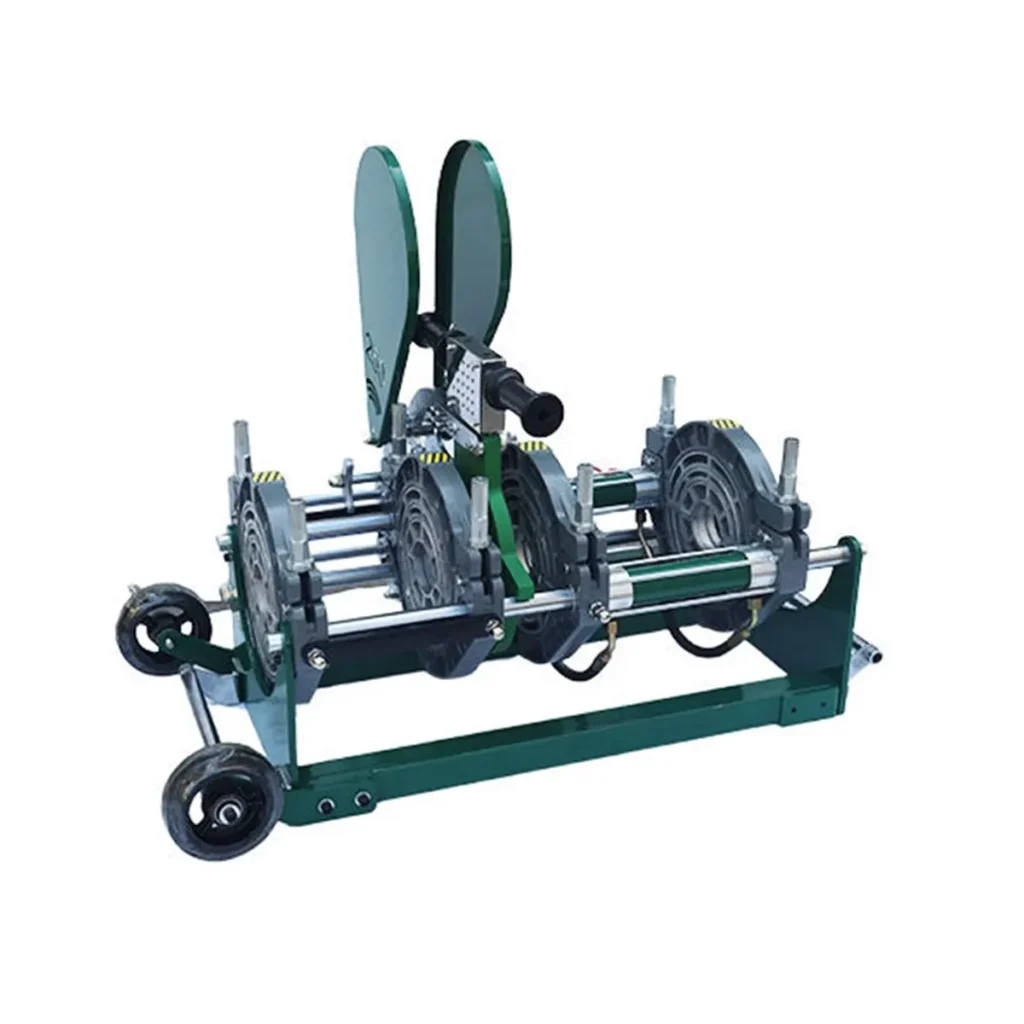
Choosing the right butt fusion machine supplier for projects in Armenia requires balancing equipment quality, local regulations, logistics, and service. This guide explains practical steps to evaluate vendors, select the right machine type, and secure reliable after-sales support so your pipeline project—whether water supply upgrades in Yerevan or rural gas distribution—runs smoothly.
Understand Your Project Needs
Scope and pipe sizes: Start by documenting pipe diameters, wall thickness, material (HDPE grades), and expected daily fusion throughput. Armenian municipal and rural projects often require a mix of small (20–160mm) and medium (160–630mm) machines for distribution networks and network extensions.
Site conditions and mobility
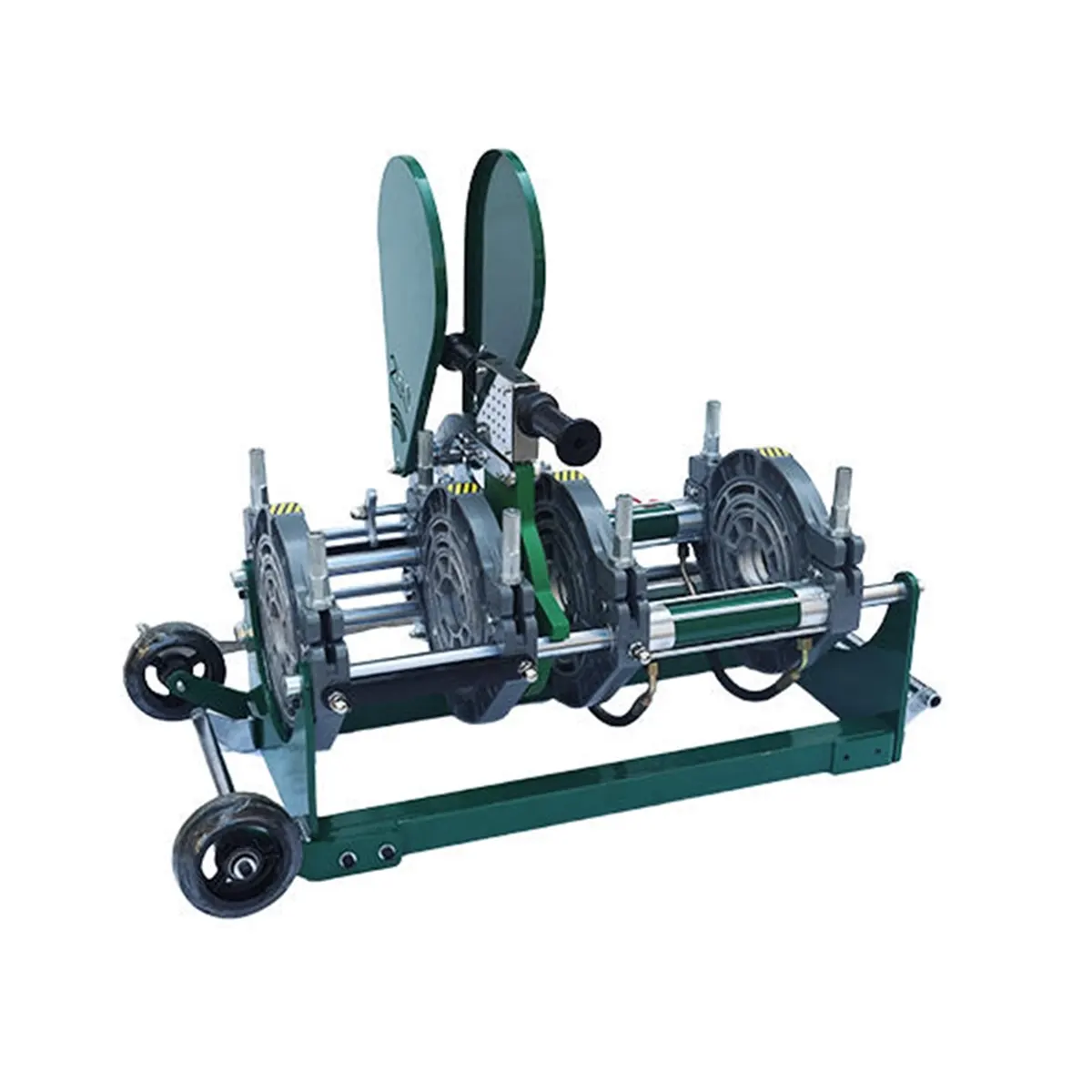
Consider whether machines must be transported over rough terrain or used indoors. Manual and portable units offer flexibility for remote Armenian villages, while hydraulic or CNC automatic machines are better for large, continuous urban installations.
Types of Butt Fusion Machines
Familiarize yourself with common categories so you can match machine features to project goals:
| Machine Type | Best For | Key Advantage |
|---|---|---|
| Manual Butt Fusion | Small pipelines, field repairs | Lightweight & cost-effective |
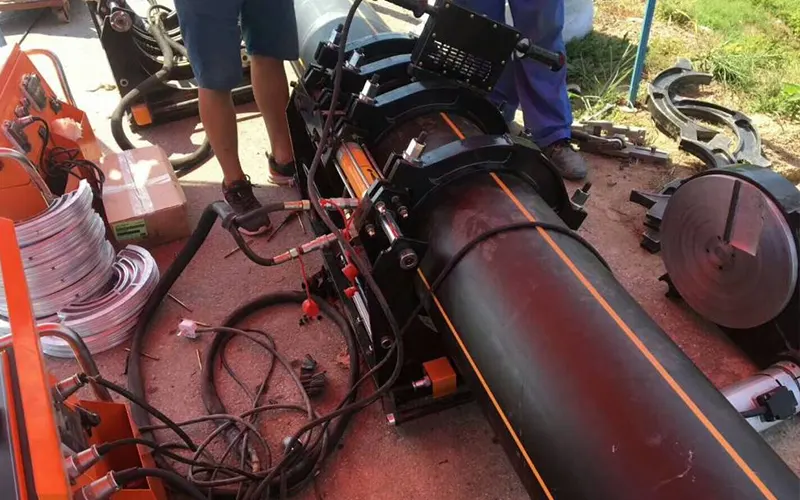
| Hydraulic Butt Fusion | Medium to large diameter lines | High clamping force, reliable alignment |
| Automatic / CNC Butt Fusion | High-volume, standardized projects | Consistent weld quality, data logging |
Material compatibility and standards
Confirm machines support the HDPE grades and SDR/PN ratings used in Armenia. Look for suppliers who reference international standards (ISO, ASTM) and can provide technical data for their heating plates, clamps, and hydraulic systems.
Supplier Evaluation Checklist
When comparing suppliers, use this practical checklist:
- Experience: Years supplying butt fusion machines and project references in similar climates or infrastructure types.
- Quality control: Factory inspection reports, photos of production, and component traceability.
- Certifications: Compliance with ISO/CE or other relevant certifications.
- Spare parts & lead times: Local or regional stocking, estimated delivery times to Armenian ports and overland transport.
- Training & documentation: On-site operator training, operation manuals in English (or Russian/Armenian if available), and welding procedure support.
After-sales service and warranty
Prioritize suppliers offering clear warranty terms and accessible technical support. For Armenian projects, quick remote troubleshooting, availability of critical spares (heating plates, PT100 sensors, hydraulic seals), and periodic maintenance visits can minimize downtime.
Logistics and customs considerations in Armenia
Understand customs clearance and import duties for heavy machinery in Armenia. Choose suppliers familiar with shipping to Yerevan or Gyumri, packaging for long transits, and who can coordinate export documentation to avoid delays at the border.
Pricing vs. Total Cost of Ownership
Don’t let initial price be the only deciding factor. Evaluate the total cost of ownership: expected machine lifespan, consumables cost, energy consumption, spare parts availability, and technician training costs. In many Armenian infrastructure projects, reliable weld quality and low rework rates yield better long-term value.
Trial runs and sample welds
Request sample weld tests and documentation of fusion parameters. A supplier who offers trial demonstrations or test reports can help validate machine performance under your specific operating conditions.
One Manufacturer to Consider
You may review offerings from JQ-Fusion for a range of manual, hydraulic, and CNC automatic butt fusion machines that cover small to large pipe diameters; confirm availability, delivery timelines, and support options tailored to your Armenian project.
Final selection tips
Shortlist 2–3 vendors, compare written quotes that include spare parts lists and training, and ask for references from recent projects. For critical infrastructure in Armenia—water, gas, mining—choose the supplier that combines technical fit, local-minded logistics, and proven after-sales care.
Next steps
If you have project specifications ready, prepare a concise RFQ with pipe sizes, expected daily welds, site access conditions, and desired delivery window. Use the evaluation checklist above to compare replies and schedule technical clarifications before signing.



