
Rwanda’s expanding infrastructure and growing investments in water supply, gas distribution and agricultural irrigation have increased demand for reliable HDPE welding solutions. If you’re searching for an automatic pipe welding machine supplier in Rwanda, this guide explains where to find trusted equipment, what features to prioritize, and how to ensure smooth delivery and local support for your projects.
Understanding Local Needs: Why the Right Welding Machine Matters in Rwanda
Rwanda’s mix of urban developments in Kigali and rural piped-water rollouts requires machines that are both portable and reliable. Contractors working on hillside terrains, rural borehole networks, and municipal mains need equipment that can handle varied pipe diameters, withstand humid and dusty conditions, and be serviced quickly. Choosing the correct automatic, hydraulic, or manual butt fusion unit reduces on-site failures and speeds up project timelines.
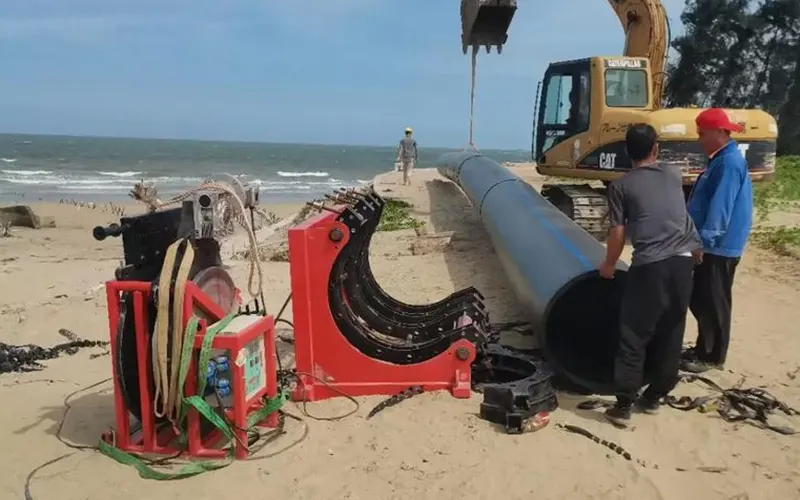
Key features Rwandan projects prioritize
Durability: Corrosion-resistant components and sealed electronics for rainy seasons. Portability: Compact frames for steep access roads. Range: Machines that weld from small rural distribution lines up to large transmission mains. Ease of use: Clear controls and simple maintenance for local technicians.
Where to look for a reliable supplier
Suppliers can be found through multiple channels: authorized distributors serving East Africa, international manufacturers with export experience to Rwanda, and regional equipment brokers. When choosing, verify warranty terms, spare-part logistics, training offerings, and references on similar projects in the region.
Certifications, standards and local compliance
Ensure machines meet international welding standards (ISO/EN) and can support the quality guidelines used by Rwanda’s public and private utilities. Ask potential suppliers for test certificates, welding procedure records, and recommended maintenance schedules tied to local climatic conditions.
Quick comparison: machine types and best uses
| Machine Type | Typical Pipe Range | Best For |
|---|---|---|
| Manual Butt Fusion | 20–315 mm | Rural installation teams, low-budget projects |
| Hydraulic Butt Fusion | 63–1200 mm+ | Municipal mains, industrial pipelines |
| Automatic / CNC Butt Fusion | 160–2000 mm (model dependent) | High-volume production, contractors needing consistent weld quality |
Practical tips for procurement and shipping to Rwanda
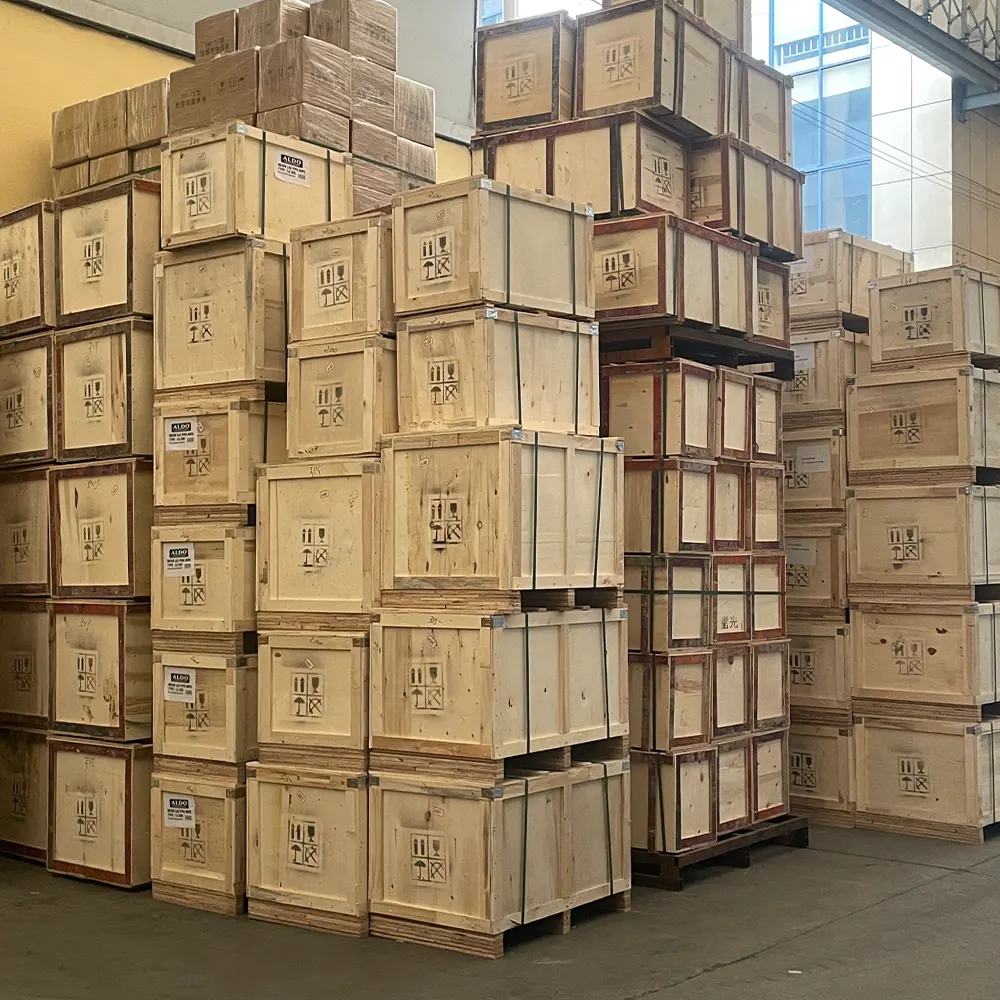
Work with suppliers who provide clear export documentation and experience with Rwandan customs procedures. Confirm lead times, packaging for long-haul freight, and whether machines ship with a spare parts kit. For many projects, local training and an initial on-site commissioning visit make the difference between flawless operation and costly delays.
After-sales support and technician training
Prioritize suppliers that offer remote technical support, spare part availability, and operator training. In-country partners or regional service centers in East Africa can reduce downtime. For Kigali-based contractors, short travel times for technicians and rapid parts delivery are major advantages.
A reliable manufacturer to consider
JQ-Fusion (https://jq-fusionwelding.com/) is a professional manufacturer specializing in HDPE pipe welding machines, offering manual, hydraulic, and CNC automatic butt fusion welding machines for a broad range of pipe sizes, with global delivery and project support.
Final checklist before you buy
Confirm: machine compatibility with pipe SDR and material, warranty and spare parts policy, training availability, compliance certificates, and estimated delivery timeline to Rwanda. A well-chosen machine protects project budgets and speeds delivery of vital water and gas infrastructure to communities across Rwanda.
Next step: Contact the supplier directly to request a quotation, datasheet, and local reference projects to validate performance and service track record.



