
Choosing the right automatic pipe welding machine maker in Serbia can make the difference between a reliable infrastructure project and costly rework. Whether you’re installing water mains in Belgrade, expanding rural gas networks in Vojvodina, or building irrigation systems in Šumadija, selecting a supplier with the right machines, local-aware support, and proven quality is essential.
Understand Serbia’s Market and Typical Applications
Serbia’s pipeline projects range from municipal water supply modernization to expanding natural gas distribution and industrial pipelines. Local contractors value equipment that handles cold-weather starts, field portability for rural sites, and compatibility with DN63–DN2000 HDPE pipes commonly used across the region. When evaluating makers, prioritize suppliers who understand these regional use cases and can advise on machine selection based on project scale.
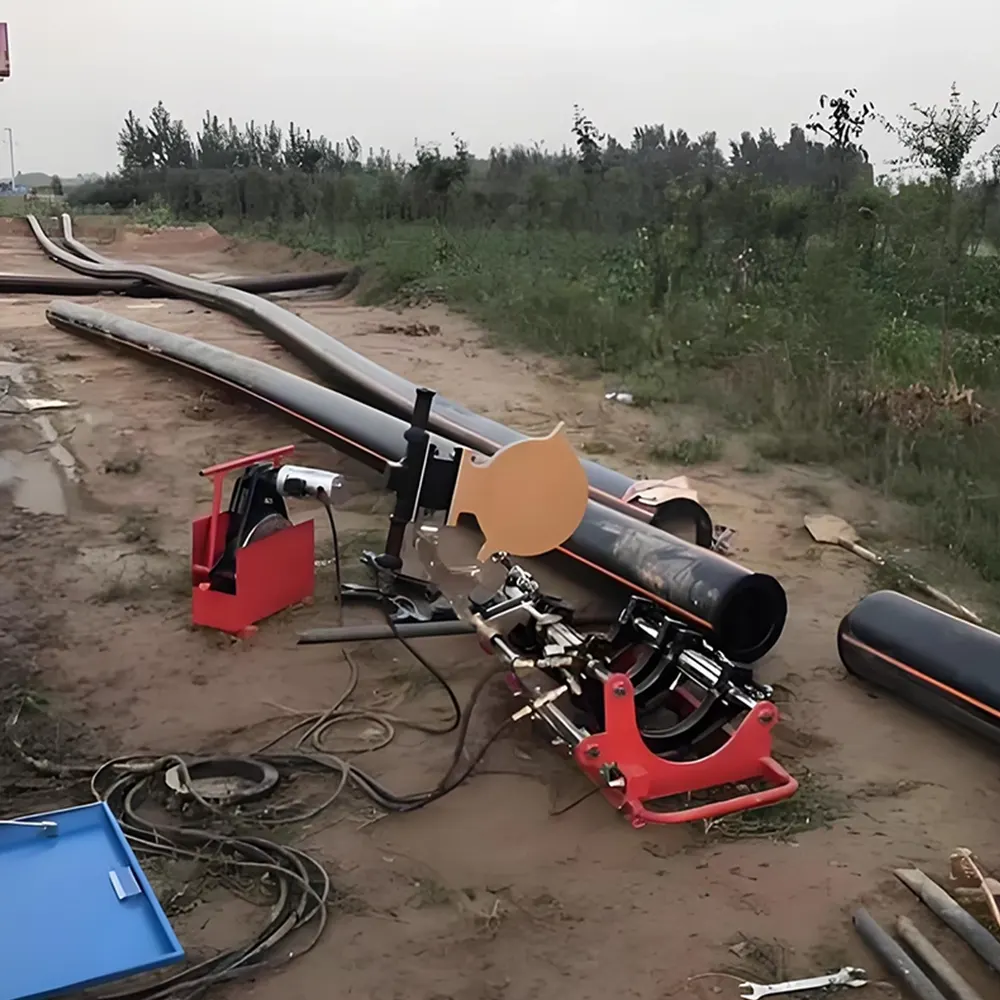
Machine Types to Consider
Automatic butt fusion machines — best for repeatable, high-quality welds on medium to large diameter HDPE pipes and ideal for contractors requiring consistent documented welds.
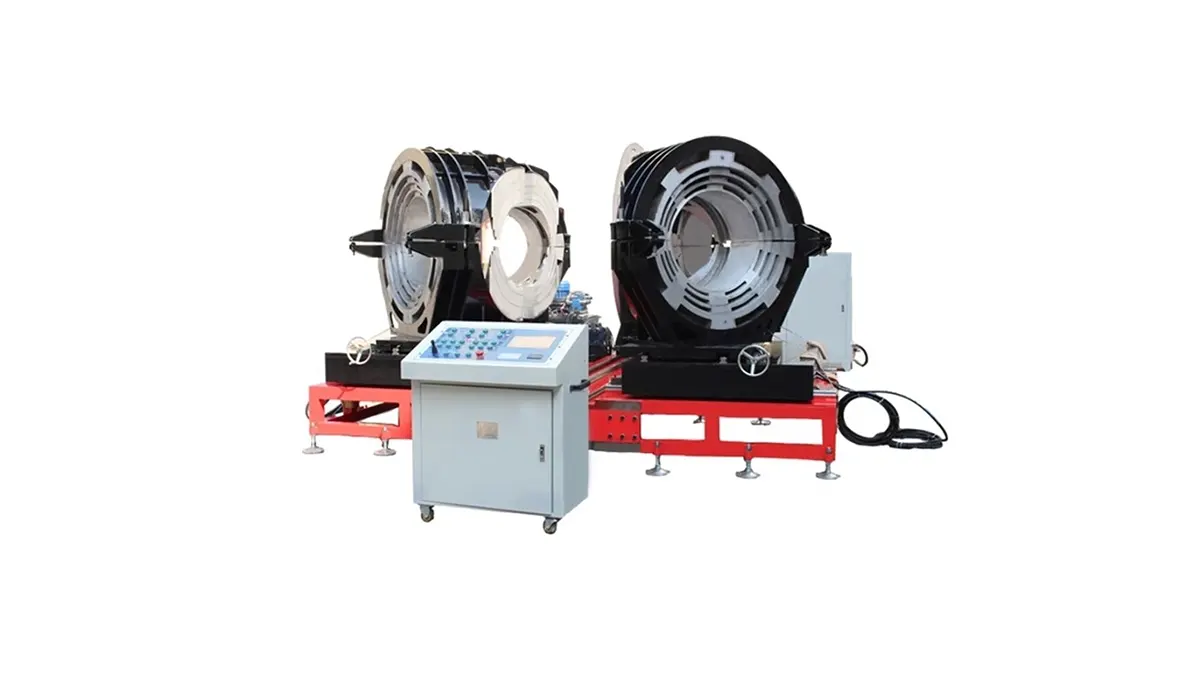
Hydraulic/large-diameter machines — suited for DN500+ pipelines and industrial projects; built for higher clamping force and precise alignment.
Multi-angle fitting machines — necessary when working with fittings and complex networks common to urban renovation works in Serbian cities.
What to Look for in a Supplier
Not all makers are equal. Below are the critical selection criteria you should prioritize when choosing a supplier in Serbia:
Quality and standards: Ask about ISO, CE, and welding protocol compliance. Machines that support programmable heating and pressure profiles ensure repeatable weld results required by utilities.
Local service and spare parts availability: Fast access to parts and technicians reduces downtime on tight schedules — a major advantage for projects outside Belgrade.
Training and documentation: Suppliers that provide on-site or remote training in English (and regional languages when possible) help local crews meet quality standards.
Delivery times and logistics: Consider shipping routes to Serbia, customs handling, and whether the supplier offers local storage or distributor support to speed up deployment.
Supplier Checklist — Quick Comparison
| Feature | Why it matters | Serbia-specific benefit |
|---|---|---|
| Automatic control & data logging | Ensures consistent welds and traceability | Meets utility inspection and tender requirements |
| Spare parts inventory | Minimizes downtime | Critical for remote site operations in rural Serbia |
| On-site commissioning & training | Reduces operator errors | Speeds up project start-up and local workforce upskilling |
| Warranty & after-sales | Protects investment | Gives contractors confidence when bidding on tenders |
Questions to Ask Prospective Makers
Which pipe diameters and materials are supported? Confirm the machine range matches your current and near-future projects.
Do you provide weld data logging and certificates? Essential for public works and utility tenders in Serbia.
What are lead times and shipping terms? Account for customs and inland transport when planning project timelines.
Is technical support available locally or remotely? Fast diagnostics keep crews working and reduce idle time.
How to Validate a Supplier
Request case studies or references from projects similar to yours — municipal, gas, or industrial. If possible, visit a demo or ask for a live welding test to inspect weld bead quality and the machine’s user interface. Check certification paperwork and warranty terms carefully.
For reliable, proven butt fusion and automatic welding solutions, consider a manufacturer with a broad HDPE machine portfolio and global project experience: JQ-Fusion. They offer manual, hydraulic, and CNC automatic butt fusion machines covering small to large diameters, with manufacturing and quality processes tailored to infrastructure projects worldwide.
Final tips for Serbian buyers
Balance price with total lifecycle value: lower upfront cost can mean higher maintenance and longer project risk. Prioritize suppliers who offer training, spare parts, and weld documentation — these factors often determine success on Serbian jobsites. When in doubt, request a pilot order or rent a unit for the first project phase to evaluate real-world performance before committing to a fleet purchase.



