
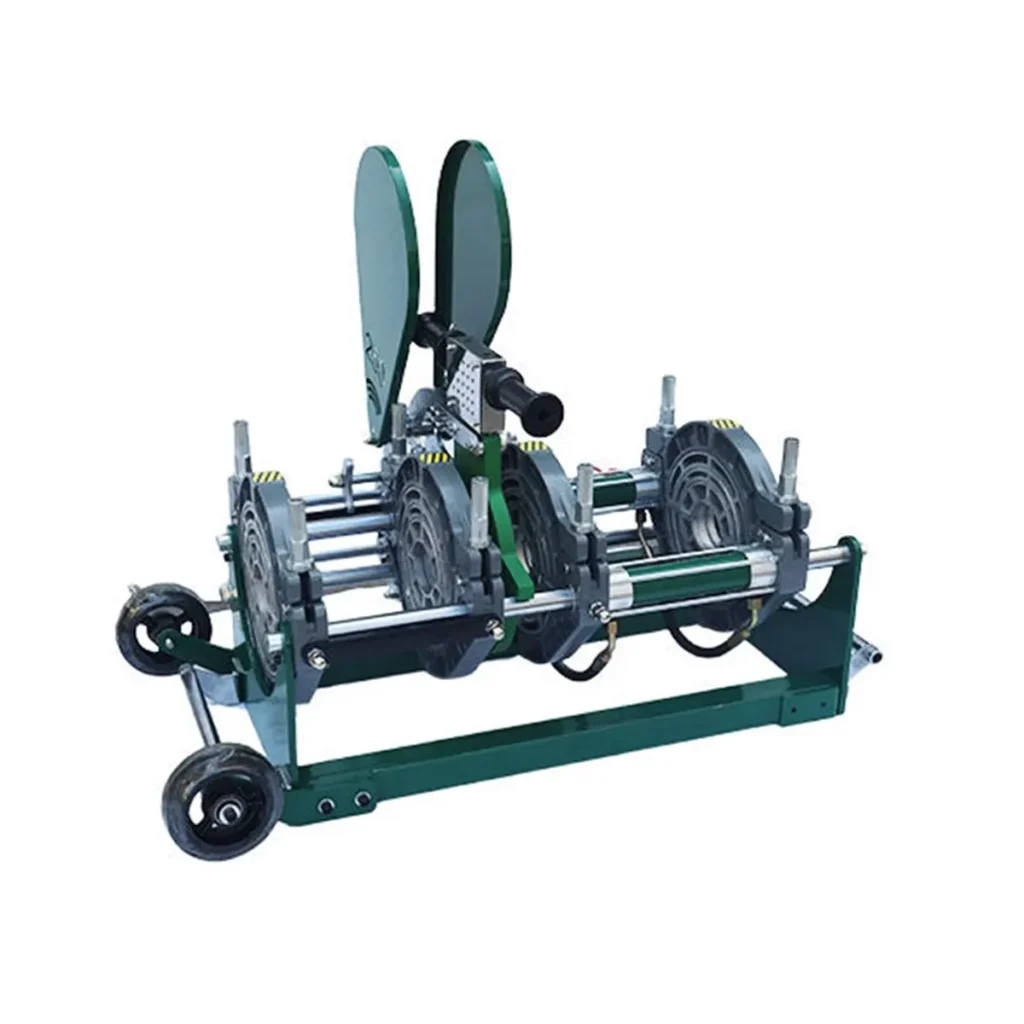
Choosing the right automatic pipe welding machine maker in Kenya can make or break infrastructure projects that depend on reliable HDPE pipeline installation — from urban water supply upgrades in Nairobi to rural irrigation schemes in the Rift Valley. This guide helps Kenyan contractors, municipal buyers, and project managers evaluate suppliers and select equipment that delivers consistent, cost-effective butt fusion welds.
Understand the Welding Methods and Why Automatic Matters
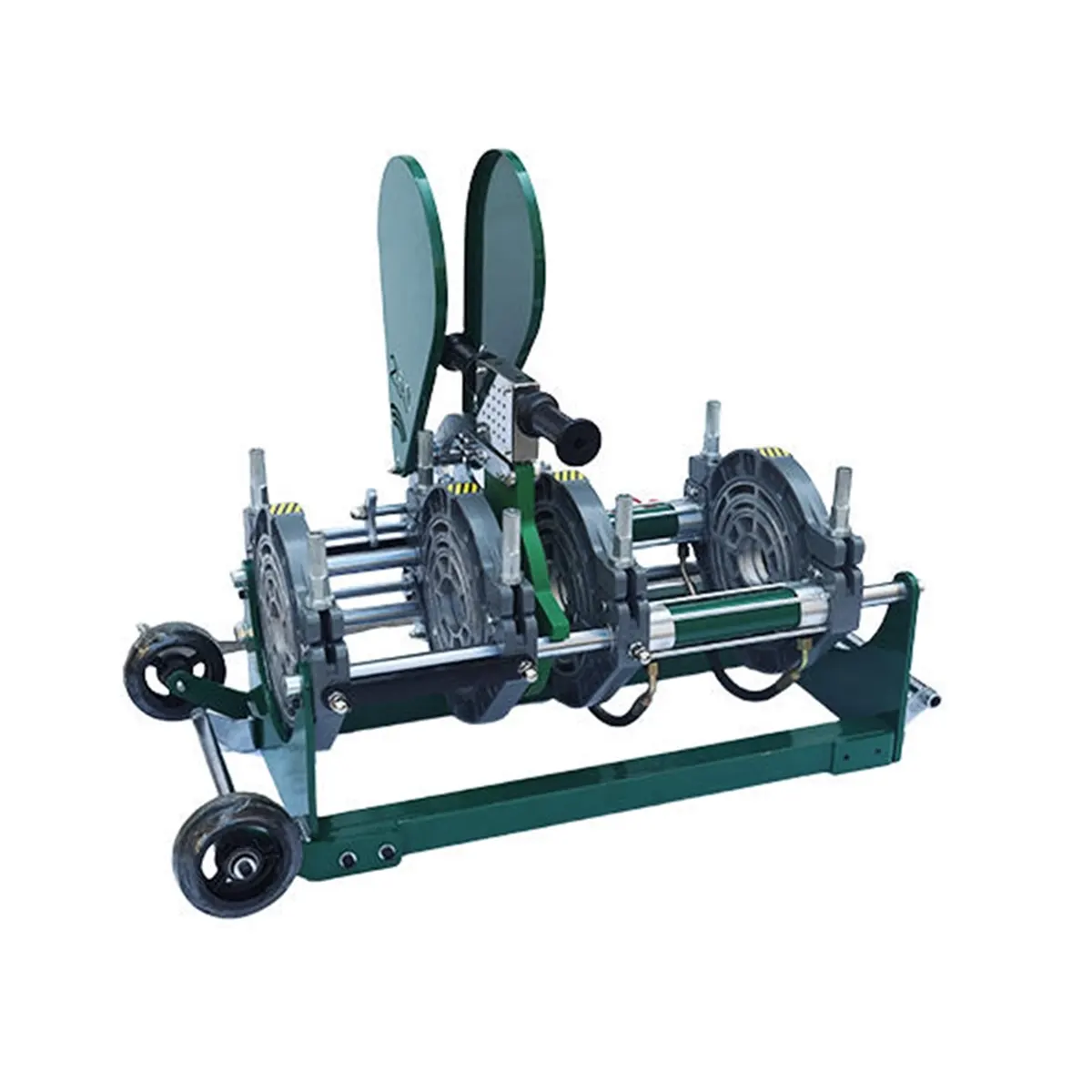
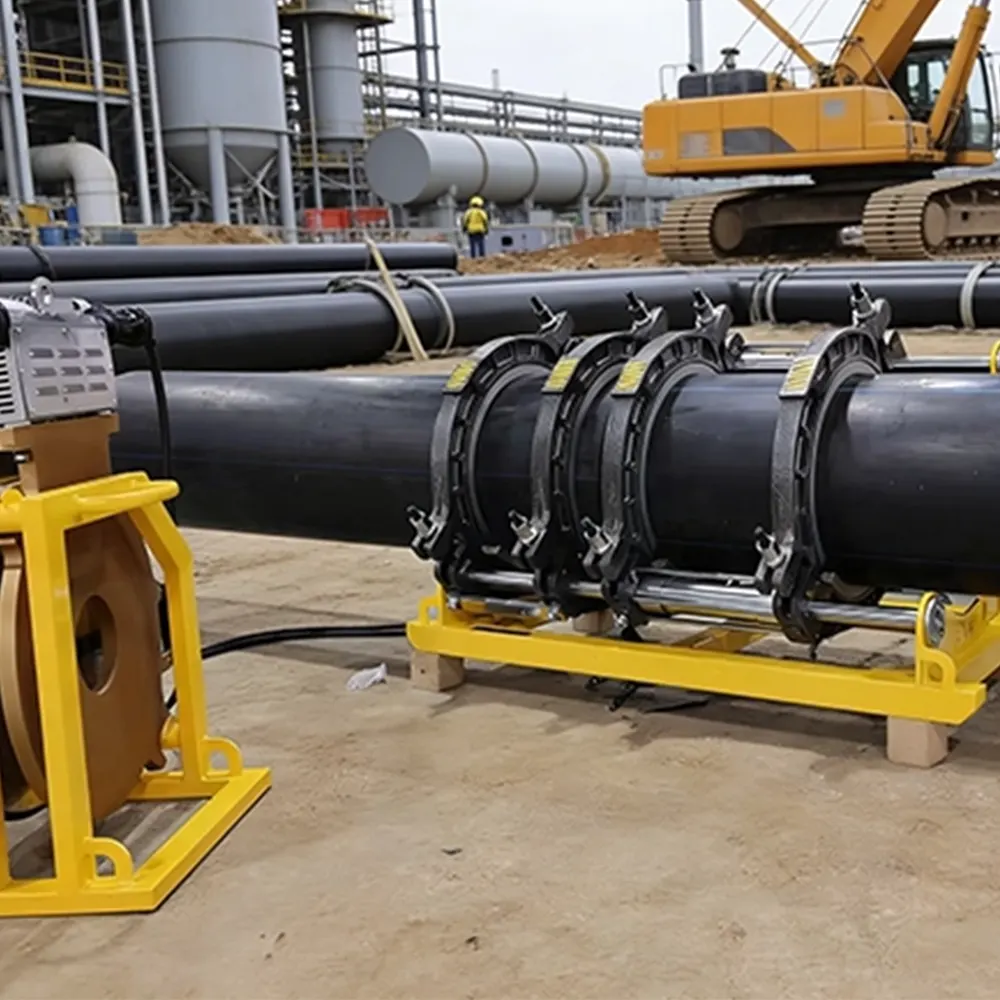
Butt fusion is the most common method for joining HDPE pipes. In Kenya’s variable jobsite conditions — hot sun, dusty roads, and remote sites — automatic butt fusion machines offer repeatable controls for heating time, pressure, and cooling, reducing human error and improving joint strength. For large municipal and industrial projects, automatic machines deliver faster cycle times and better traceability than manual alternatives.
Key Factors to Evaluate When Selecting a Maker
Kenyan buyers should assess suppliers across operational, technical, and logistical dimensions. Focus on:
- Machine capability: pipe diameter range and cycle automation (programmed heating/soak/cooling).
- Local support: spare parts availability, service partners, and training for site crews in Kenya.
- Power and portability: compatibility with 220V mains or generator use, and ease of transport to remote worksites.
- Compliance: international certifications (ISO/CE) and documented welding records for QA/QC.
- Warranty and testing: factory test reports, sample welds, and warranty terms.
Practical Considerations for Kenyan Projects
Kenya’s construction environment often requires rugged machines that tolerate dust, intermittent power, and tight timelines. Confirm that the maker offers:
- On-site training tailored to Kenyan crews and local pipeline standards.
- Rapid spare-parts shipping or stocked distributors in East Africa.
- Options for both portable units for rural works and larger automated frames for urban utility contractors.
Comparing Machine Types: Quick Reference
| Type | Best for | Typical pipe range | Pros |
|---|---|---|---|
| Manual Butt Fusion | Small repairs, low-budget rural projects | 20mm–315mm | Low cost, portable |
| Hydraulic Butt Fusion | Medium to large pipelines with mixed terrain | 63mm–1000mm+ | Stronger clamping, reliable force control |
| CNC Automatic Butt Fusion | Large-scale municipal, industrial projects | 90mm–1600mm+ | High repeatability, data logging, faster throughput |
Price vs. Total Cost of Ownership
Initial purchase price is only one part of the equation. For Kenyan buyers, consider total cost including training, consumables (heating plates, cutters), spare parts, and downtime. A slightly higher investment in a more automated, supported machine often pays off through fewer failed joints and faster project completion.
How to Vet a Maker — Checklist
Request: product datasheets, welding test certificates, warranty terms, references from African projects, and evidence of after-sales service in East Africa. Ask about customization for specific Kenyan standards and whether the maker provides operator training and a spare-parts kit.
Supplier Spotlight
JQ-Fusion is a manufacturer specializing in HDPE pipe welding machines, offering manual, hydraulic, and CNC automatic butt fusion solutions suitable for Kenya’s diverse pipeline projects. When evaluating makers, confirm similar capabilities and support commitments before buying.
Final Tips for Kenyan Buyers
Schedule machine demonstrations, insist on test weld records, and plan logistics early to avoid delays at customs. Investing in training and a local maintenance plan ensures the machine performs reliably across Kenya’s varied project environments.



