
Choosing the right automatic pipe welding machine supplier in Hungary is a critical decision for contractors, municipal utilities, and pipeline installers. The right partner delivers reliable butt-fusion equipment, timely service, and compliant documentation so projects run on schedule and meet EU and national standards.
Why automatic welding machines matter in Hungary
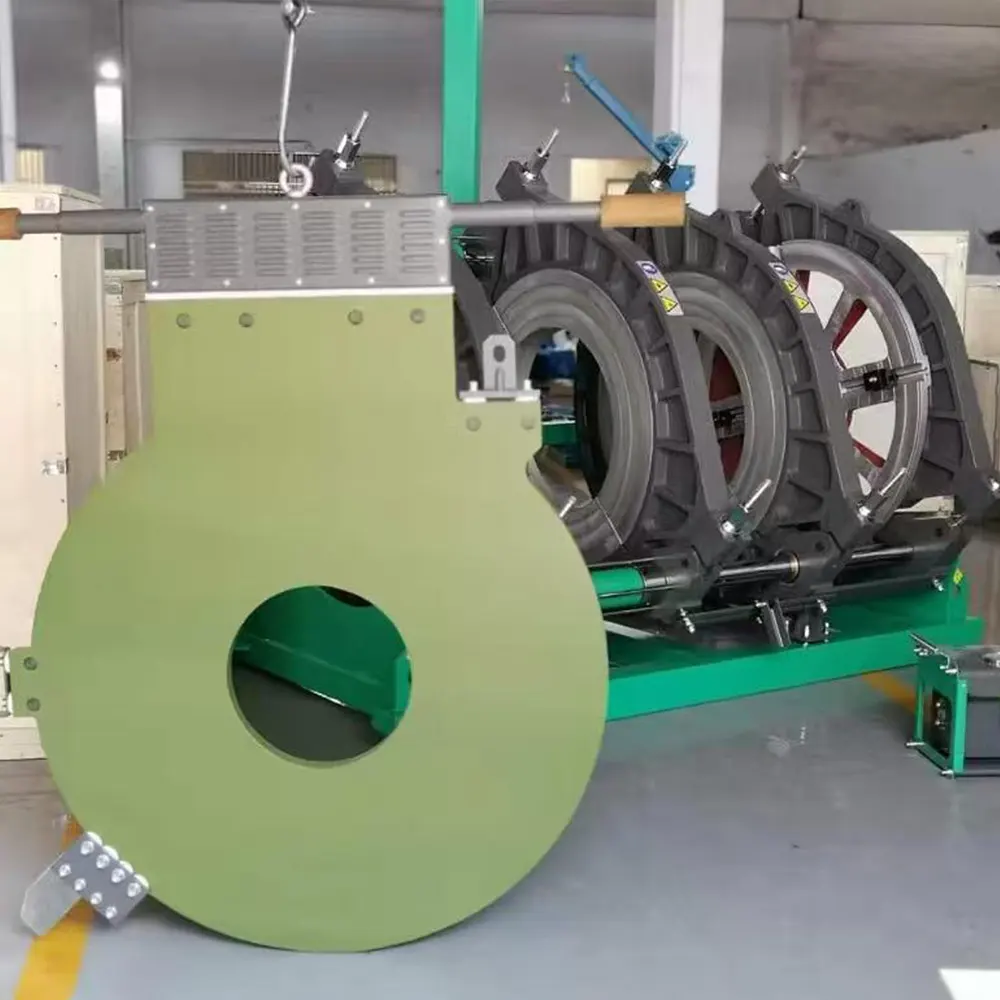
Automatic butt fusion machines improve welding consistency and reduce human error on medium-to-large diameter HDPE pipelines used in water, gas, and industrial projects across Hungary. For urban networks in Budapest or regional waterworks in the countryside, automation helps teams meet tight project timelines and EU-funded quality expectations.
Key criteria when selecting a supplier
When evaluating prospective suppliers, Hungarian buyers should prioritize:
-
Compliance & documentation: CE marking, calibration certificates, and clear technical datasheets that satisfy Hungarian standards (MSZ) and EU procurement rules.
-
Machine performance: stable temperature control, repeatable weld cycles, and clear data-logging for QA records.
-
Range & compatibility: availability of models that cover the pipe diameters you commonly use (from small service lines to large diameters).
-
After-sales support: spare parts stock in the EU, fast technical response, training in Hungarian or English, and remote troubleshooting.
-
Local references: completed projects or distributors in Hungary or neighboring EU countries to verify real-world reliability.
-
Total cost of ownership: consider warranty length, consumable costs (heating plates, clamps), and energy efficiency.
Quick comparison: Automatic vs Hydraulic vs Manual
| Type | Best for | Typical diameters | Pros | Cons |
|---|---|---|---|---|
| Automatic CNC | Large projects, high repeatability | 63–1250+ mm | High precision, data logs, reduced operator error | Higher upfront cost, needs trained operators |
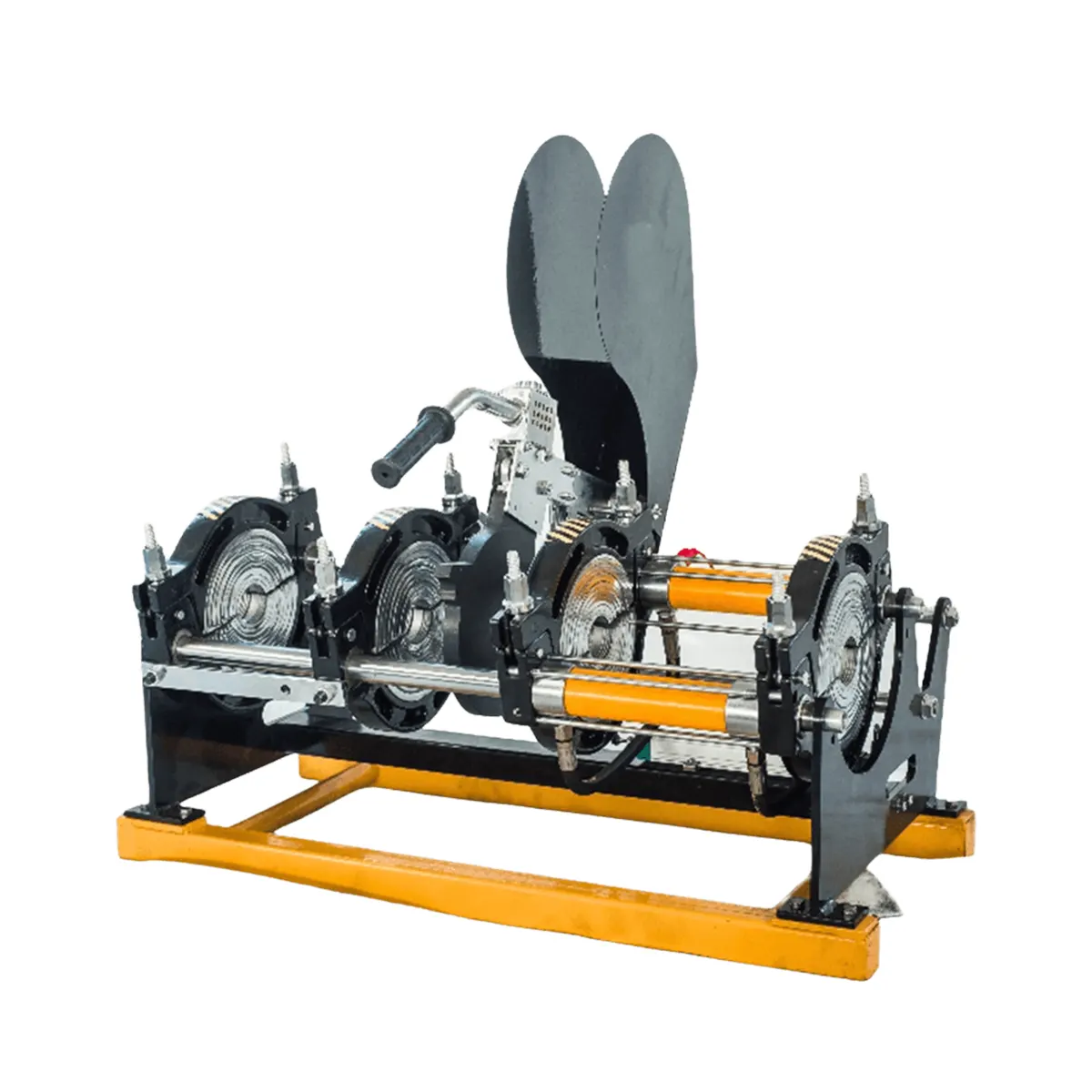
| Hydraulic semi-auto | Medium to large pipelines | 63–2000 mm | Strong clamping force, robust in-field performance | Moderate automation, operator influence on cycles |
| Manual | Small jobs, limited budgets | 20–400 mm | Low cost, easy transport | Less consistent welds, slower production |
Hungary-specific considerations
Hungarian buyers should ensure suppliers understand local procurement and project contexts: EU-funded water and wastewater upgrades, municipal tender requirements, and regional contractors’ needs. Confirm that supplier documentation aligns with Hungarian standards (MSZ) and that customs, VAT, and intra-community supply procedures are clear. For remote or rural installation sites, prioritize suppliers who can provide fast spare parts shipment within the EU and offer bilingual manuals or training sessions.
How to verify supplier reliability
Before signing a purchase order, perform these checks:
-
Request test weld records and sample welds or welding videos with data logs.
-
Verify certifications (CE, ISO) and ask for calibration certificates for temperature controllers and hydraulic systems.
-
Check spare parts lead times inside the EU and confirm warranty terms with clear service response times.
-
Ask for references from Hungarian or Central European projects and, if possible, visit an installation site or the supplier’s demonstration center.
-
Confirm training availability in Hungarian or English and the availability of digital manuals.
Final steps before purchase
Compare quotes based on total delivered cost, not just machine price. Include freight, customs (if applicable), installation, operator training, and spare part kits. Secure a written agreement on acceptance testing, documentation delivery, and post-sale support. A short pilot weld or demo on your pipes can prevent costly delays later.
For high-quality HDPE automatic butt fusion welding machines and global support options, consider checking the product range and technical resources offered by JQ-Fusion (https://jq-fusionwelding.com/).



