
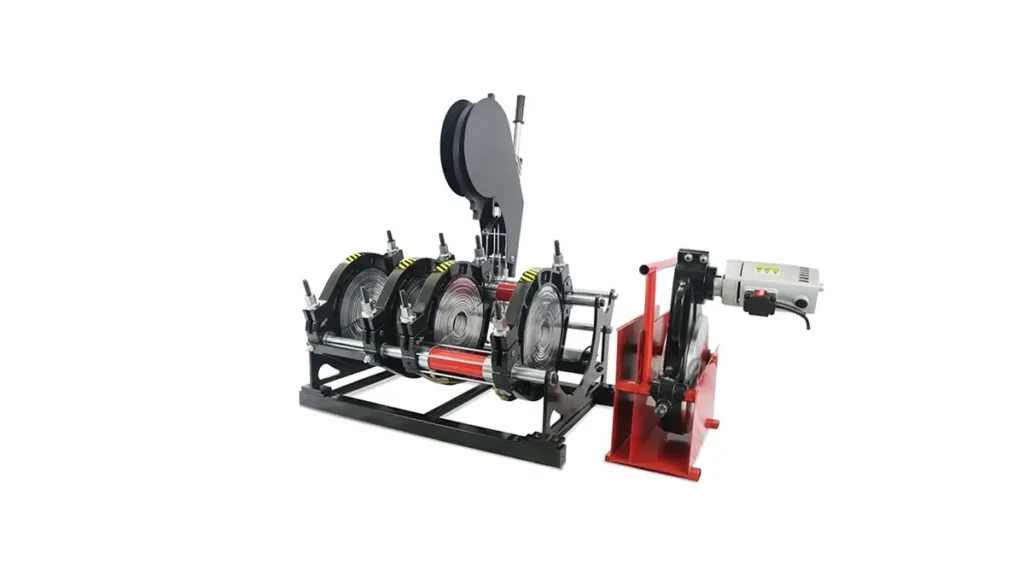
Automatic pipe welding machines for HDPE and other thermoplastic pipelines are transforming Peru’s infrastructure projects—from coastal water networks to high-altitude mining pipelines in the Andes and remote Amazonian installations. This guide helps industrial buyers, contractors, and municipal procurement teams in Peru choose the right automatic butt fusion and welding solutions, compare models, and plan for installation, training, and long-term maintenance.
Why Automatic Pipe Welding Machines Matter in Peru
Automatic butt fusion machines deliver consistent, high-quality joints that reduce rework and leakage risk—critical for Peru’s expanding water supply, gas distribution, and mining sectors. Automated systems speed up large-diameter welds on trunk lines, improve operator safety on rugged job sites, and help meet project timelines in regions where weather and logistics are challenging.
Peruvian use cases and priorities
Buyers in Peru often prioritize machines that handle wide diameter ranges, resist high humidity and dust, and come with local-language documentation (Spanish) and reliable spare parts shipping. Mining contractors need heavy-duty hydraulic units for high-pressure slurry and process pipelines, while municipal water departments often favor semi-automatic or automatic models for consistent potable water installations.
How to Choose the Right Automatic Pipe Welding Machine
Key selection criteria
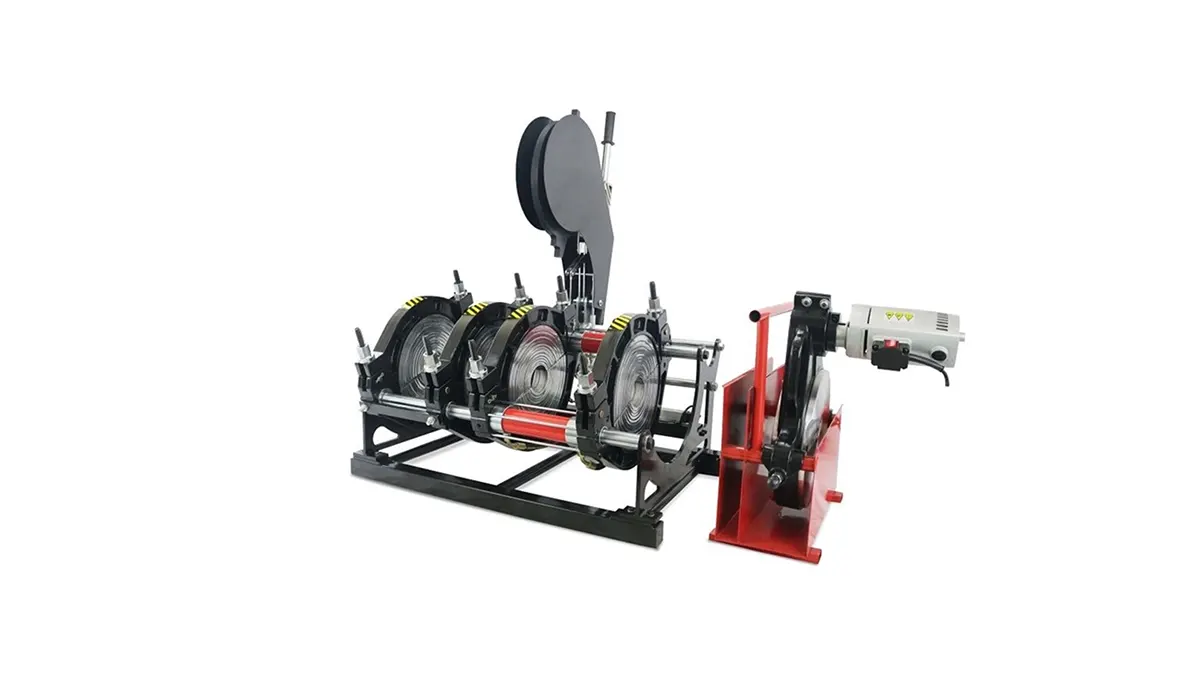
Pipe material and diameter range: Confirm compatibility with HDPE, PP or other thermoplastics and choose a machine rated for the project’s max pipe OD. For Peru’s mainline works, large-diameter capability (≥630mm) is common.
Automation level: Manual, semi-automatic and fully automatic options exist. Fully automatic machines reduce operator variability and are ideal for large-volume contractors; semi-automatic units balance cost and control for smaller municipal projects.
Power and mobility: Consider diesel electric or low-voltage electric models if on-grid power is unreliable in remote Peruvian sites. Look for portable frames and easy clamp-change systems for work in rugged terrain.
Standards & certifications: Verify CE, ISO 9001 and relevant welding standard compliance, plus test traceability and welding records for quality assurance on major public or mining contracts.
Model comparison at a glance
| Model | Pipe OD Range | Automation | Best for |
|---|---|---|---|
| JQA160 / JQA200 series | Φ20–Φ200 mm | Automatic | Small distribution lines, irrigation |
| JQA315 / JQA355 | Φ200–Φ355 mm | Automatic | Municipal water mains, medium trunk lines |
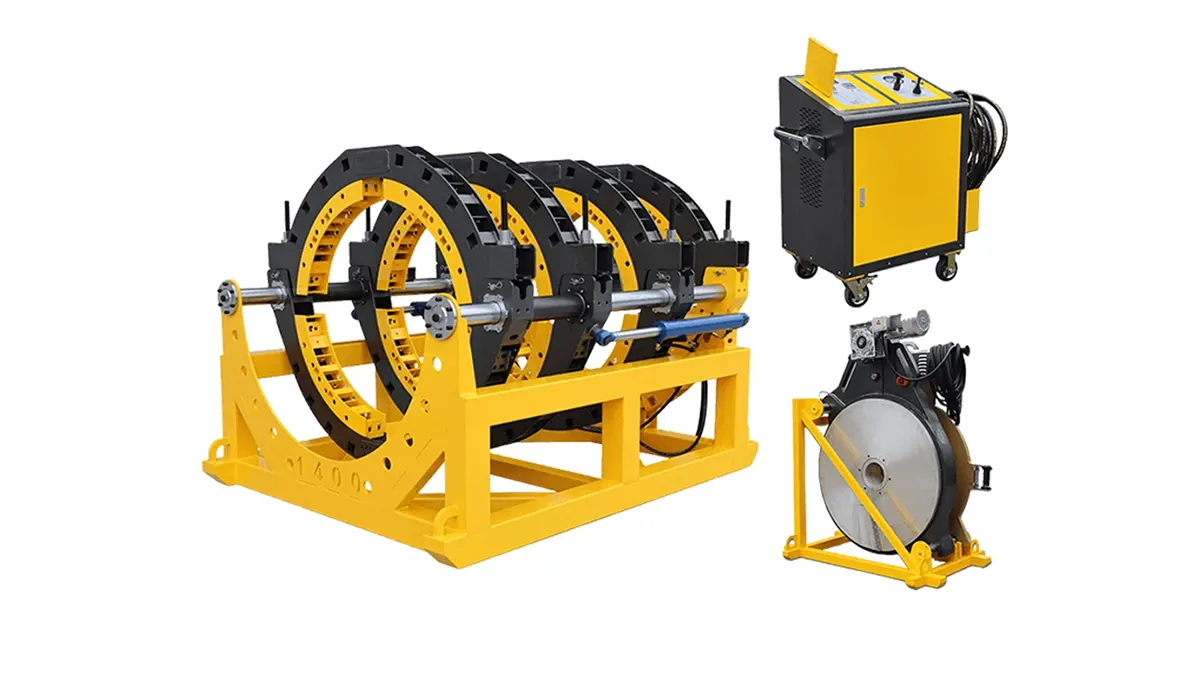
| Large-diameter hydraulic units (e.g., JQH1000+) | Φ500–Φ2250 mm | Hydraulic / Semi-auto | Major trunk pipelines, mining |
Buying Checklist for Industrial Buyers in Peru
Procurement and site considerations
1. Confirm pipe material and diameter ranges, plus maximum pressure class. 2. Request proof of quality: welding test records, calibration certificates, and machine traceability. 3. Ensure Spanish manuals and on-site operator training are available or budgeted. 4. Plan logistics: customs, import duties, and inland transport to Lima, Arequipa, Cusco, or remote mining camps. 5. Verify warranty terms and availability of spare parts in Peru or nearby regional hubs.
Installation, Training and After-Sales Support
Proper setup and operator skill are essential. Insist on on-site commissioning and a structured training program that covers pre-weld preparation, heating plate use, fusion parameters, and destructive/nondestructive joint testing. For Peruvian projects in remote regions, remote technical support and spare parts kits prevent downtime.
Maintenance and durability tips
Preventive maintenance: Keep hydraulic fluids clean and at correct levels, protect electronics from dust and humidity, and replace wear parts (heating plate covers, clamps) on schedule.
For high-altitude or coastal deployments, check seals and corrosion-resistant options. Save fusion logs and calibration records for quality audits and warranty claims.
Cost Factors and ROI
Initial cost varies with automation and diameter capability. While fully automatic and large hydraulic machines have higher upfront costs, they reduce man-hours, lower rejection rates, and shorten project schedules—delivering a faster ROI on large projects common in Peru’s mining and municipal sectors.
Purchase Steps and Practical Tips
1. Define application (water, gas, mining). 2. Shortlist machines by diameter and automation. 3. Request sample weld data and references from similar Peruvian projects. 4. Factor logistics, training, warranty, and spare part lead times. 5. Schedule acceptance tests and operator certification before handover.
Where to Source Reliable Machines
For reliable butt fusion and automatic welding solutions with a proven global track record, consider reputable manufacturers that offer a range of manual, hydraulic, and CNC automatic machines along with responsive service and spare parts. JQ-Fusion supplies a broad product lineup suitable for Peru’s water utilities, gas networks, and mining pipelines.
Final recommendation
Select a machine sized for your largest expected pipe diameter, prioritize automation and documentation when working on public or large private projects, and arrange local-language training and spare parts logistics. With the right automatic pipe welding equipment and support plan, Peruvian projects can achieve durable, efficient pipeline installations across coastal, Andean and Amazon regions.



