
Automatic pipe welding machines have become essential for modern infrastructure projects, offering higher productivity, repeatable joint quality, and lower lifecycle costs compared with manual techniques. This guide explains factory capabilities, product types, selection tips, and procurement considerations for buyers, contractors, and distributors worldwide.
Why Automatic Pipe Welding Machines Matter
Automatic systems reduce operator variability and shorten cycle times for HDPE butt fusion and other thermoplastic pipeline joints. For municipal water utilities, gas distribution networks, and large industrial projects, the benefits include consistent heating profiles, automated pressure control, and integrated logging for traceability. In remote or fast-paced construction sites the uptime and ease of use of an automatic unit often translate to measurable cost savings.
Factory Capabilities & Product Range
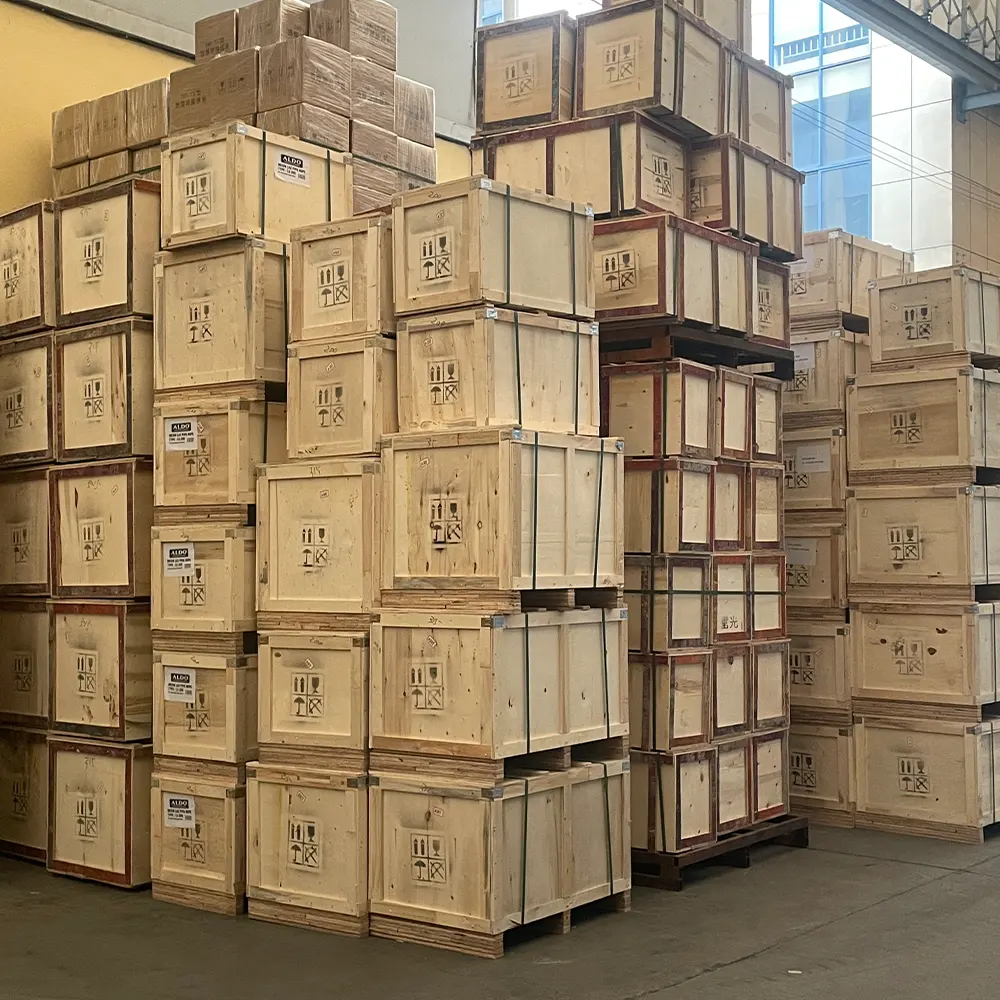
Leading factories produce a full spectrum of welding equipment to suit different project scales: compact manual sets for small-diameter work, hydraulic units for mid-range pipelines, and CNC-driven automatic machines for high-volume or precision-critical applications. Many manufacturers also supply multi-angle fitting machines and electrofusion equipment to complete a pipeline welding portfolio.
Typical Product Comparison
| Type | Best For | Diameter Range | Key Benefit |
|---|---|---|---|
| Manual Butt Fusion | Small projects / tight budgets | 20–400 mm | Portability and low cost |
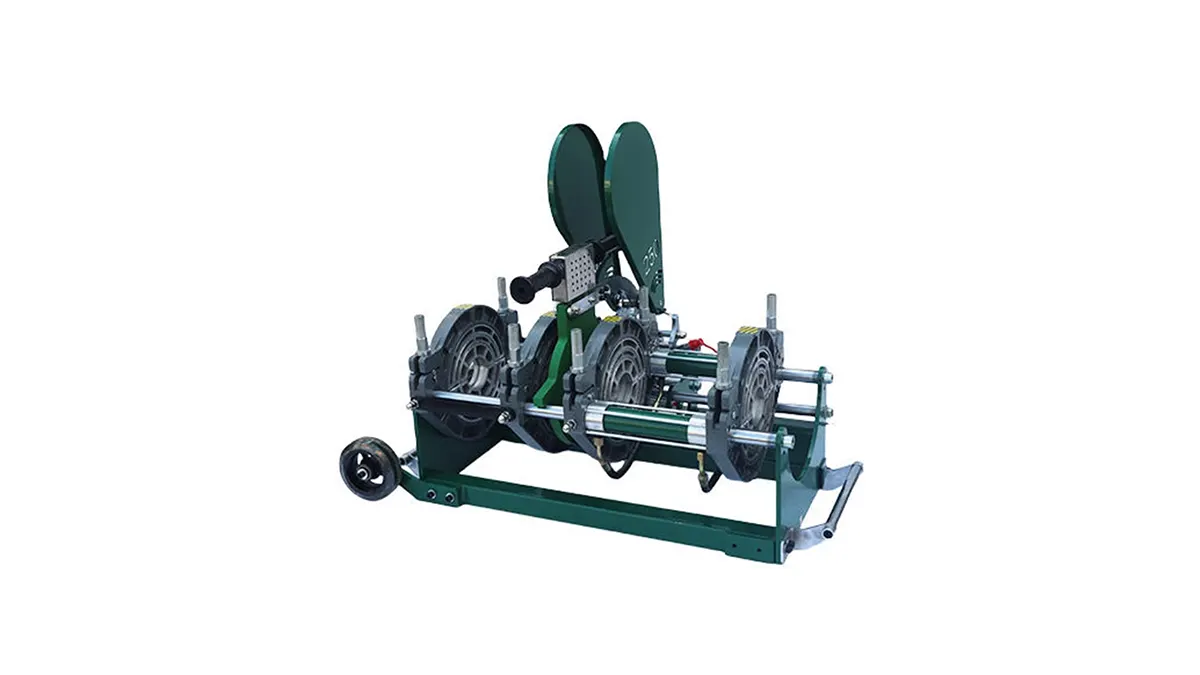
| Hydraulic Units | Medium-to-large pipelines | 160–1250 mm | Higher clamp force, robust frame |
| CNC Automatic Machines | High-precision, high-volume projects | 63–630 mm (typical) | Automated cycles, digital logging |
| Multi-Angle Fitting Machines | Complex fittings and prefabrication | Varies by model | Precision angle welding |
Key Features to Look For
When evaluating suppliers, prioritize machines with reliable heating plates, accurate hydraulic systems, and easy-to-use control panels. Data logging, compliance with recognized welding standards, and modular clamping systems are differentiators for long-term value. Safety interlocks and quick-release clamps reduce rework and on-site delays.
Selecting the Right Machine for Your Project
Match machine capacity to your pipeline diameter and expected daily joint count. For contractors working across varied terrains—urban trenches, remote pipelines, or factory prefabrication—consider transportability, power requirements, and local service availability. In markets with strict regulatory oversight, choose equipment that supports documented welding records and operator traceability.
Quality Control, Certification & After-Sales
A reputable manufacturer will provide factory test reports, calibration certificates for pressure/temperature sensors, and a clear spare-parts policy. Look for warranties and local training programs to keep crews productive. Regular maintenance kits and accessible consumables (heating plates, trims, clamps) minimize downtime on critical projects.
Ordering, Lead Times & Customization
Standard models are typically stocked for quick shipment, while customized frames, extended-diameter clamps, or integrated control systems may add production time. Plan procurement to include training days and spare parts when scheduling project milestones. Bulk orders for distributors often unlock favorable lead times and pricing.
Manufacturer Highlight
JQ-Fusion is a professional manufacturer specializing in HDPE pipe welding machines, offering manual, hydraulic, and CNC automatic butt fusion solutions for a wide range of pipeline projects globally. Visit https://jq-fusionwelding.com/ for product details, datasheets, and contact information.
Final Tips for Buyers
Request demonstration videos, raw weld data, and references from projects similar to yours. Prioritize ease of service and local support networks when choosing a global supplier. With the right machine, teams achieve faster installations, fewer defects, and better long-term performance across water, gas, mining, and industrial pipelines.



