
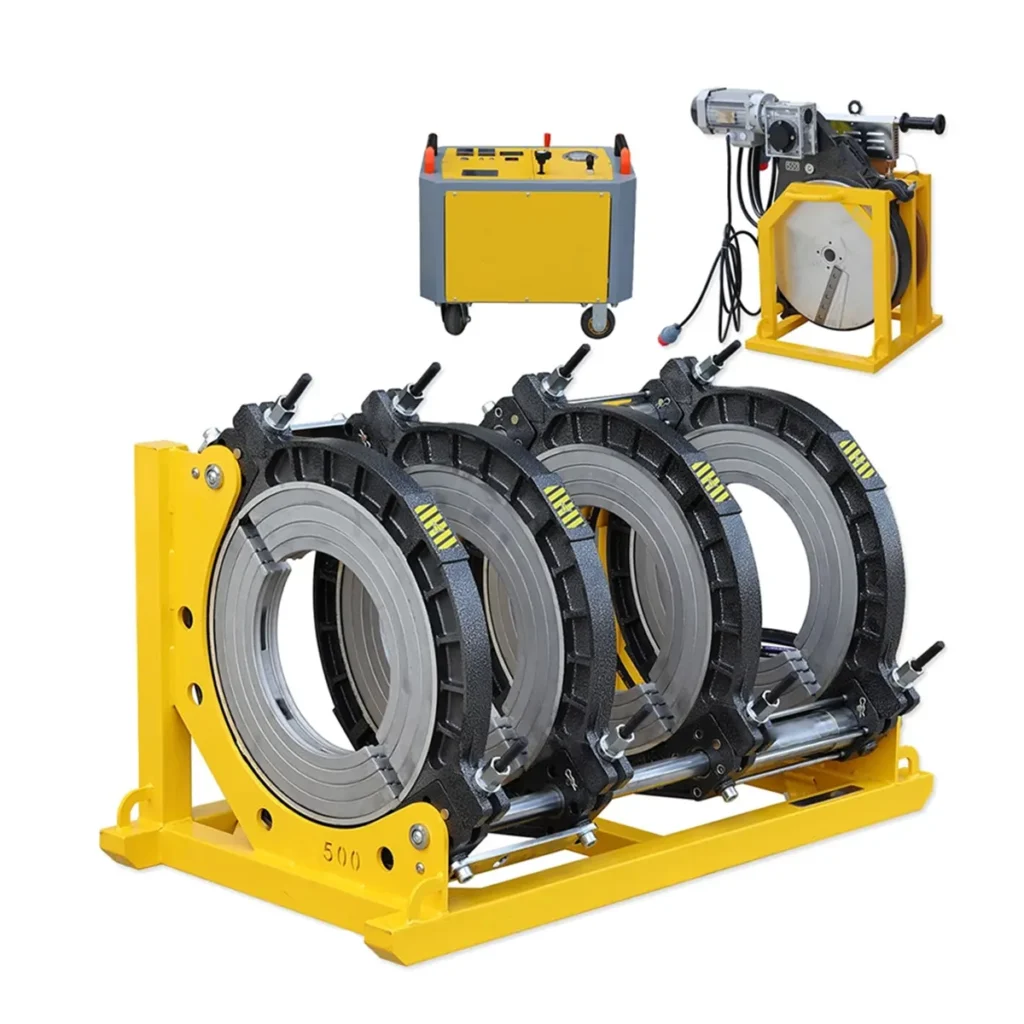
In Jordan’s fast-developing infrastructure landscape — from Amman and Irbid to Aqaba and the agricultural plains — selecting the best poly pipe welder supplier can make the difference between durable pipeline networks and costly repairs. This guide helps municipal engineers, contractors, and agricultural irrigation teams in Jordan identify the right features, service expectations, and procurement tips when sourcing HDPE butt fusion and electrofusion equipment.
Why the Right Supplier Matters in Jordan
Jordan’s climate ranges from hot, dry summers to cooler winters in the highlands, and many pipeline projects run through remote or rugged terrain. Local crews need welding machines that are robust, easy to maintain, and supported with timely spare parts and training in Arabic. For municipal water utilities, gas distributors, and contractors serving refugee camp expansion or agricultural irrigation, reliability and after-sales service are often more valuable than the lowest upfront price.
Key Features to Evaluate
Product range: Machines should cover the pipe sizes you use most — from small 16–160mm lines for household or irrigation work to large-diameter units for main distribution.
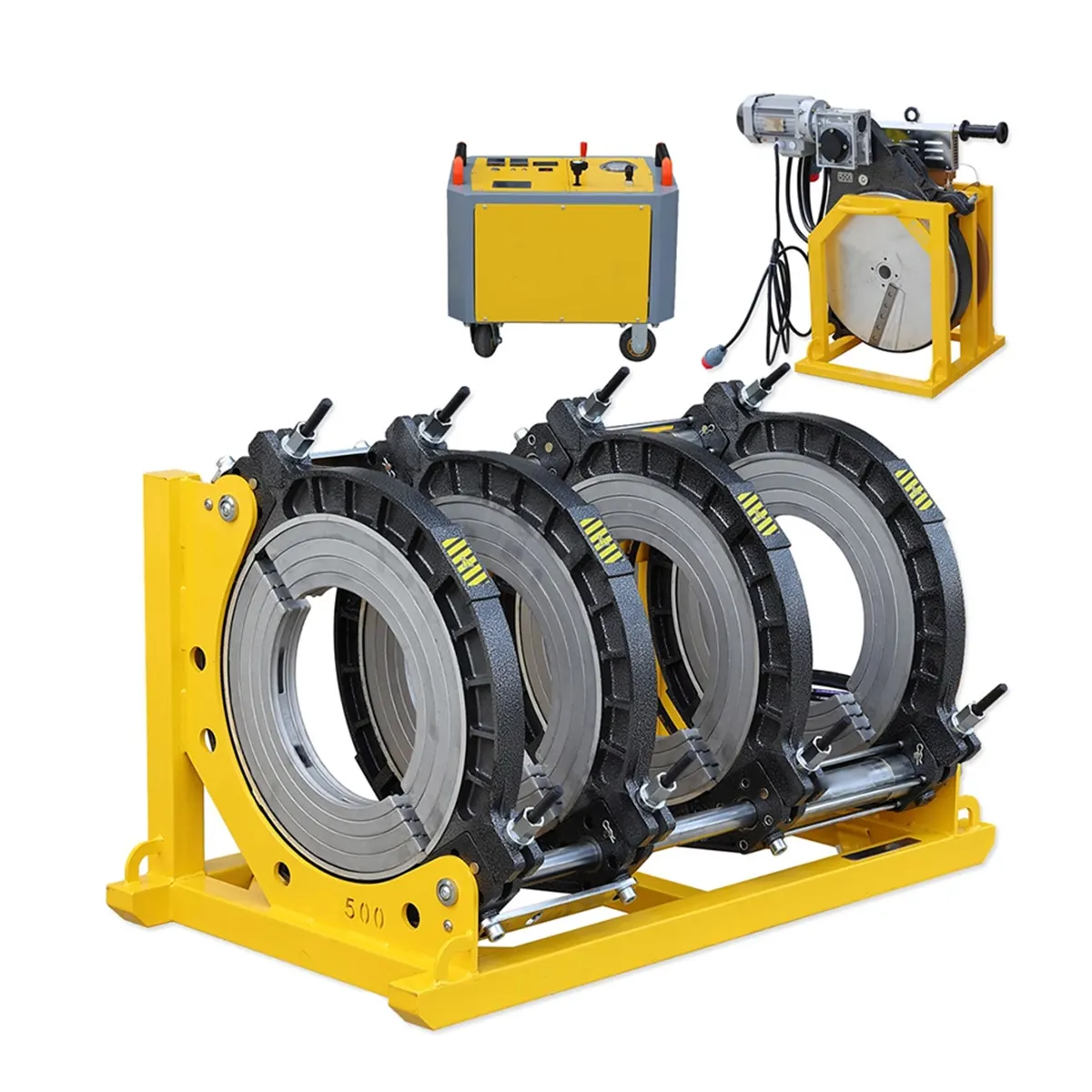
Build quality & durability: Look for hydraulic, aluminum-clamped frames and corrosion-resistant components that withstand desert dust and heavy use.
Technical support & training: Arabic-language manuals, on-site training, and clear troubleshooting guidance keep Jordanian crews productive.
Spare parts & logistics: Confirm stock levels, lead times to Aqaba port, and support for inland transport to project sites.
Warranty & calibration: Factory calibration, clear warranty terms, and accessible service centers reduce downtime on critical projects.
Quick Reference Table — What to Check
| Feature | What to Verify |
|---|---|
| Range of pipe diameters | Does the supplier offer manual, hydraulic and automatic machines that match project specs? |
| After-sales support | Local technicians, Arabic manuals, and rapid spare parts delivery. |
| Warranty & training | On-site commissioning, operator training and clear warranty coverage. |
| Shipping & logistics | Lead time to Aqaba or Amman; customs assistance and packaging quality. |
Machine Types Commonly Used in Jordan
Contractors often select from three main categories depending on project scale:
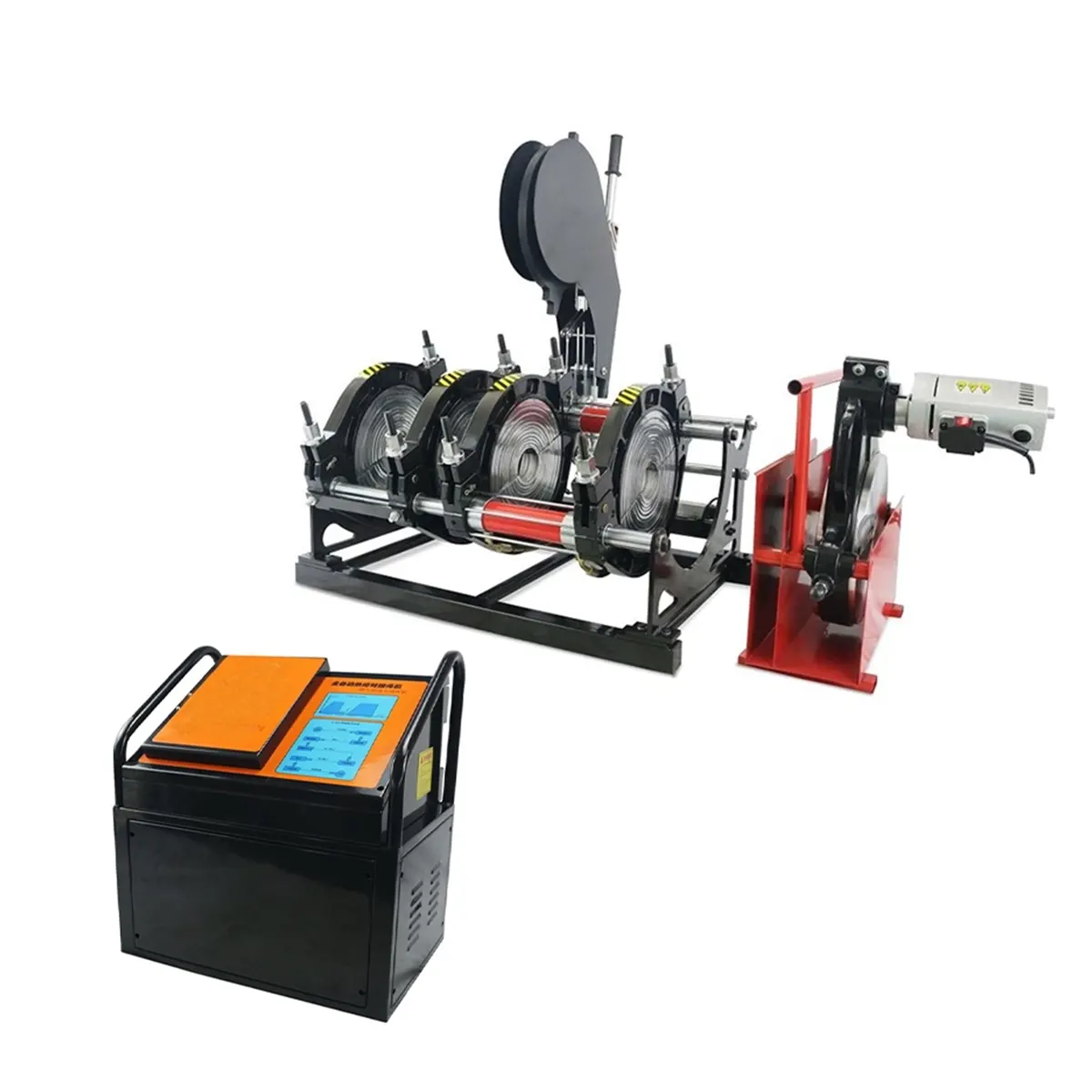
1) Manual butt fusion machines for small-diameter irrigation and repair work — portable and cost-effective.
2) Hydraulic butt fusion machines for medium to large distribution pipelines — offer stronger clamping and consistent pressure.
3) Automatic / CNC butt fusion machines for high-volume, repetitive production or very large-diameter lines used in major water projects.
Practical Buying Tips for Jordanian Buyers
Check local compatibility: Ensure voltage options and power systems suit Jordanian sites. For remote jobs, consider portable hydraulic power units or diesel generators.
Verify spare parts lead times: Confirm availability in nearby stocks or rapid shipment from the supplier’s regional warehouse.
Ask for Arabic training & documentation: Operator competency prevents weld failures and extends machine life — request on-site demonstration where possible.
Plan for customs & transport: Choose suppliers experienced exporting to Jordan to reduce clearance delays at Aqaba or Amman.
Final Recommendation
For Jordanian municipalities and contractors seeking reliable HDPE welding equipment with global manufacturing experience, JQ-Fusion combines a wide product range, hydraulic and automatic models, and a focus on durable, serviceable machines — qualities that match the needs of water, gas, and irrigation projects across Jordan.
Want to compare models or request a quote? Visit the supplier’s site to review machine specifications and shipping details.



