
Angola’s rapid infrastructure growth—driven by urban water systems, oil & gas pipelines, and mining operations—demands dependable HDPE welding equipment that performs in coastal humidity and remote project sites. Reliable automatic pipe welding machines improve installation speed, joint quality, and long-term pipeline integrity across both Luanda construction sites and rural supply projects.
Why Automatic Pipe Welding Matters in Angola
Angola’s large-scale water distribution and energy projects require welding solutions that reduce rework and downtime. Automatic butt fusion machines deliver consistent heating profiles and controlled fusion pressure, which are critical when working with long HDPE runs in high temperatures or humid coastal conditions. Local contractors and government utilities benefit from predictable cycle times and repeatable weld quality, especially on pipelines that cross varied terrains.
Benefits for Local Contractors and Projects
Automatic machines help Angolan teams meet tight schedules for municipal water upgrades, irrigation systems, and fuel/gas distribution networks. Advantages include fewer operator-dependent variables, faster large-diameter spooling, and easier compliance with international fusion standards—important when projects are funded by international partners.
Core Features to Look For
Selecting the right equipment means prioritizing durability, portability to remote sites, and clear digital controls that Portuguese-speaking crews can learn quickly. Key features include:
- Automated heating and cooling cycles for consistent fusion.
- Robust hydraulic clamps for variable pipe diameters.
- Data-logging capability for traceability and quality assurance.
- Modular design for easy shipping through Angolan ports and field maintenance.
Typical Machine Types
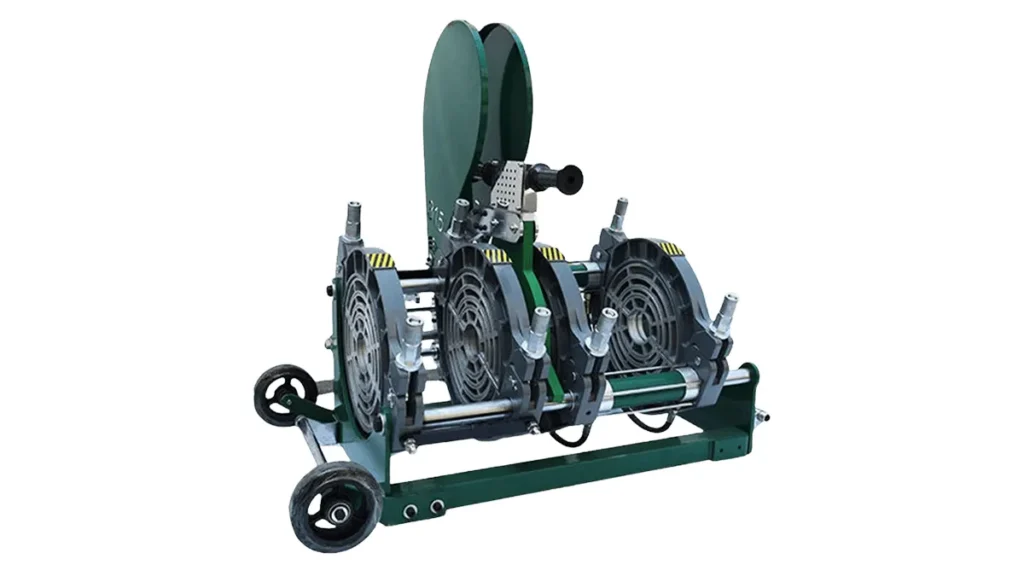
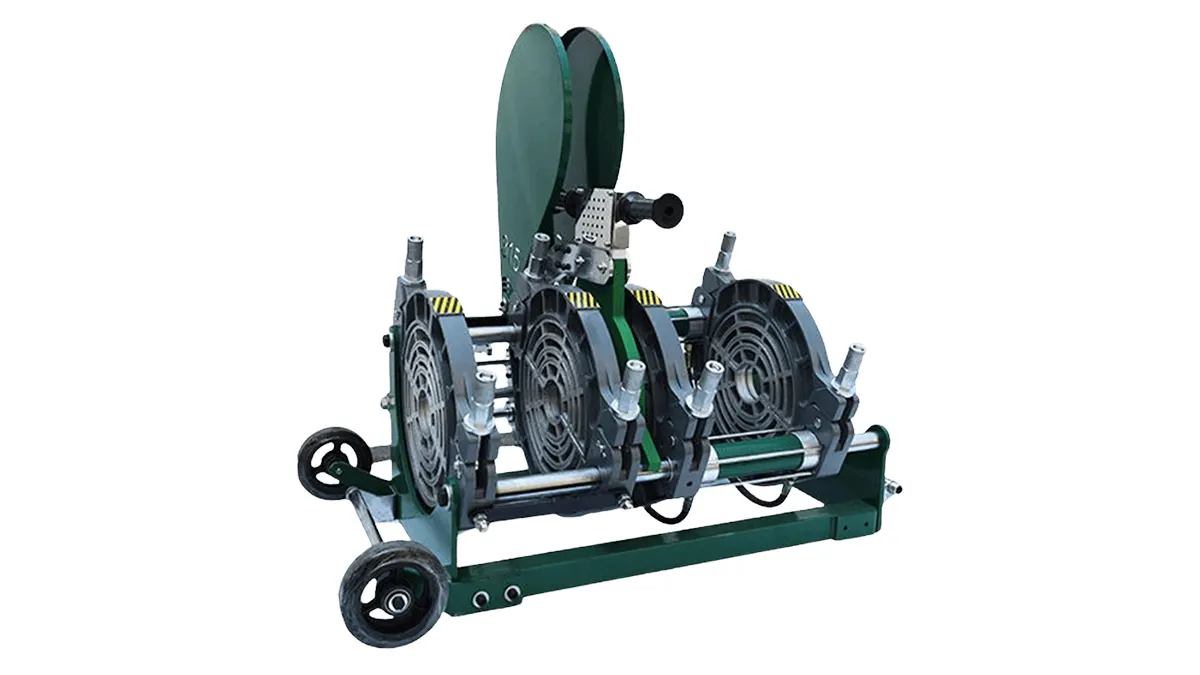
Automatic butt fusion machines, hydraulic models for medium-to-large pipes, CNC-controlled systems for precision, and portable manual units for opportunistic repairs—each has a place on Angola’s job sites. Choosing the appropriate range depends on pipe diameters, project mobility, and available operator training.
| Model | Typical Pipe Range | Best For |
|---|---|---|
|
Automatic CNC Series |
160mm–630mm |
Municipal water mains, gas distribution |
|
Hydraulic Heavy Duty |
630mm–2250mm |
Large-diameter trunk lines, mining & industrial |
|
Portable Manual Units |
20mm–160mm |
Field repairs, rural water projects |

Operational Considerations in Angola
For best results, teams should account for site logistics—port clearance in Luanda, inland transport on unpaved roads, and secure storage from seasonal rains. Training local technicians in fusion standards and machine maintenance reduces downtime and extends machine life. Documentation in Portuguese and on-site training are particularly valuable across Angolan project sites.
After-Sales Support and Parts
Rapid access to spare heating plates, clamps, and electronic modules ensures continuity on long pipeline projects. Consider suppliers that provide clear spare-parts lists, shipment support to Angolan ports, and remote troubleshooting to keep crews productive.
Supplier Note
For consistent butt fusion performance and a broad product range that covers manual, hydraulic, and automatic solutions, explore JQ-Fusion for durable, field-tested machines suitable for Angola’s infrastructure needs: https://jq-fusionwelding.com/
Final Tips for Procurement Teams
Prioritize machines with data logging, easy-to-replace consumables, and clear operator interfaces in Portuguese. Evaluate warranty terms, warranty response time to Angolan ports, and availability of training—these factors often determine operational success more than purchase price alone.


