
Effective pipeline welding equipment construction management and standards are essential for reliable HDPE infrastructure projects. This guide covers practical best practices for equipment selection, on-site management, quality control, safety, and traceability to help contractors, engineers, and project managers deliver consistent, long-lasting pipeline joints.
Core Elements of a Welding Equipment Construction Management System
A robust management system combines people, processes, and technology. Focus on:
Equipment inventory & selection: Maintain a centralized register of butt fusion, electrofusion, and multi-angle fitting machines matched to pipe diameters and materials.
Operator certification & training: Ensure welders are trained on machine-specific procedures, joint preparation, and post-weld inspection standards.
Standardized procedures & documentation: Use written work instructions for heating, melting, and cooling cycles, and retain fusion reports for traceability.
Digital Recordkeeping and Traceability
Adopt digital fusion logs and QR-coded joint records to simplify audits and long-term maintenance. Critical data fields should include pipe material, OD, SDR, machine ID, operator ID, ambient conditions, and fusion parameters (heat temperature, soak time, fusion pressure, cooling time).
Selecting the Right Equipment by Pipe Size
Match machine capability to project scope. Below is a quick reference mapping commonly used in construction planning:
| Pipe OD (mm) | Recommended Machine Type | Typical Applications |
|---|---|---|
| 20 – 160 | Manual butt fusion / Electro-fusion | Service lines, small-diameter water/gas networks |
| 160 – 630 | Hydraulic butt fusion machines | Medium distribution mains, irrigation |
| > 630 | CNC automatic / large-diameter hydraulic units | Large transmission mains, industrial pipelines |
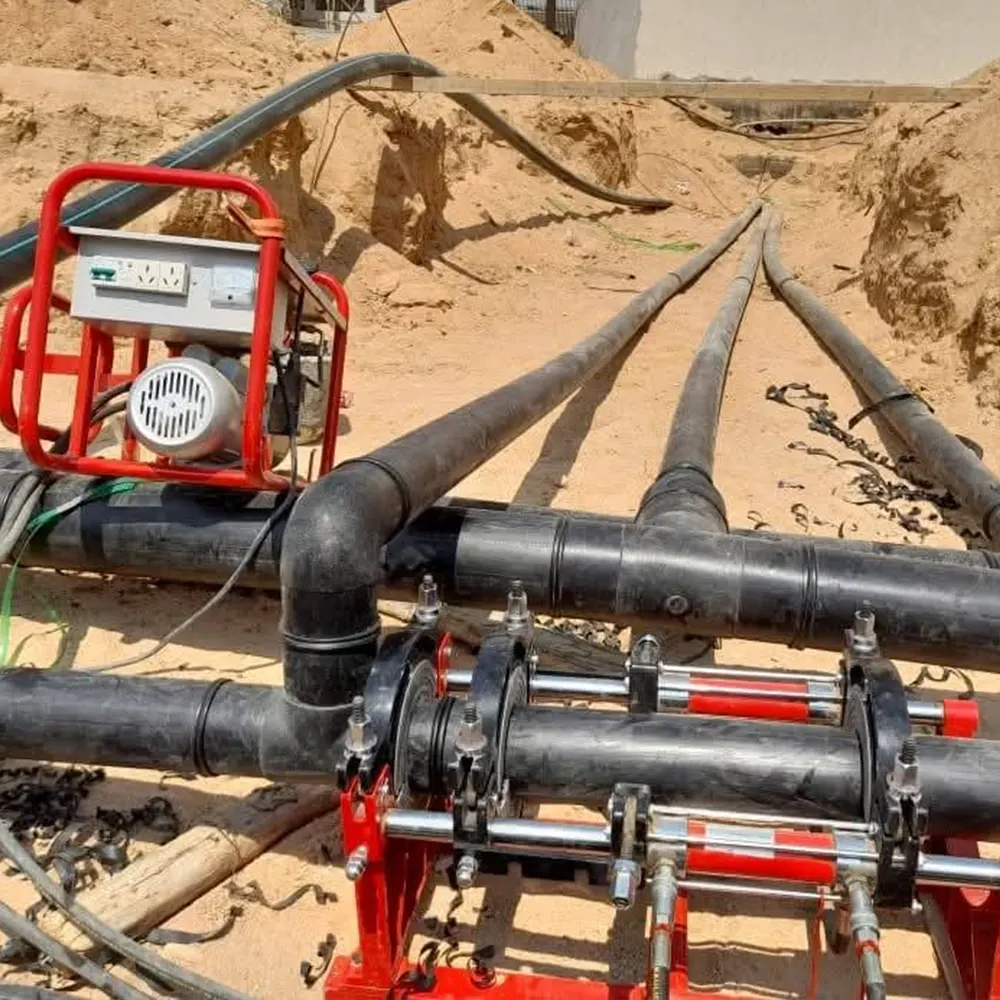
Equipment Maintenance and Calibration
Regular maintenance prevents downtime and ensures weld integrity. Key checks include:
1. Calibration of temperature controllers and pressure gauges every 6–12 months.
2. Inspection of heater plates and clamps for wear and flatness.
3. Hydraulic system leak checks and fluid replacement as per manufacturer guidelines.
Standards, QA/QC Procedures and On-Site Inspections
Adopt recognized standards and define clear QA/QC checkpoints to reduce defects and rework.
Recommended QA steps:
• Pre-fusion inspection: Verify pipe ends are clean, square, and free from contamination.
• Fusion parameter check: Confirm heater temperature, heating time, and joint alignment match approved procedure.
• Visual and non-destructive testing: Conduct bead inspection and, when required, peel or hydrostatic tests per project specs.
Environmental & Site Considerations
Ambient temperature, wind, and moisture affect fusion quality. Implement mitigation strategies such as windbreaks, heating shelters, and scheduled work windows when conditions are within acceptable ranges defined by the procedure.
Operator Training and Certification
A documented training program reduces variability. Core training modules should include:
• Theory of HDPE welding and joint behavior.
• Machine-specific operation, safety, and troubleshooting.
• Hands-on fusion practice with supervised assessments and recorded fusion logs.
Safety and PPE Best Practices
Safety protocols must be enforced: insulated gloves for handling heater plates, eye protection, safe lifting practices for large machines, and lockout procedures during maintenance. Ensure clear signage and a site-specific safety plan.
Integration with Project Controls and Handover
Link welding records to project management tools. Deliverables at handover should include fusion reports, operator certificates, equipment calibration records, and material traceability sheets. This supports lifecycle maintenance and warranty claims.
Quick Checklist for Onsite Supervisors
Use this short checklist during daily operations:
• Machine ID and calibration status verified.
• Operator certification confirmed.
• Fusion parameters logged digitally.
• Post-weld inspection completed and recorded.
Supplier & Manufacturer Note
For central procurement, consider a reliable manufacturer that supplies a full range of butt fusion and electrofusion machines, spare parts, and technical support—JQ-Fusion (https://jq-fusionwelding.com/) offers manual, hydraulic, and CNC automatic solutions for HDPE pipeline projects.
Final tip: Standardize methods across crews and projects, invest in operator training, and maintain meticulous records to ensure weld quality, safety, and long-term pipeline performance.



