
Electrofusion welding is a widely used method for joining polyethylene pipes, especially in gas and water distribution networks. While it offers strong, reliable joints when performed correctly, certain defects can occur due to improper procedures, equipment issues, or environmental factors. Understanding these common electrofusion welding defects and knowing how to fix or, better yet, prevent them is crucial for ensuring pipeline integrity and safety.
Cold Fusion: The Incomplete Bond
Cold fusion is one of the most frequent defects. It occurs when the heating process is insufficient, preventing the pipe and fitting from properly melting and fusing. The joint may look intact but lacks strength.
Causes: Incorrect welding parameters (voltage, time), poor power connection, cold ambient temperatures, or using a damaged or expired electrofusion coupler.
Fix & Prevention: The joint must be cut out and replaced. To prevent it, always follow the manufacturer’s exact parameters for time and voltage. Ensure the power box is functioning correctly and the coupler is within its shelf life. Pre-heat the pipe and fitting in cold environments and guarantee clean, secure electrical contacts.
Misalignment and Ovality Issues
Proper alignment is non-negotiable. Misalignment happens when the pipe ends are not correctly centered within the fitting, creating a weak, uneven joint. Ovality refers to the pipe being out-of-round, preventing full surface contact.
👉 Key Action: Always use a proper alignment tool or clamp during the setup phase. For oval pipes, use a rounding clamp or caliper to restore roundness before welding. Never attempt to weld a misaligned joint.
Contamination: The Hidden Enemy
Dirt, moisture, grease, or oxidation on the pipe surface or inside the fitting will severely compromise the weld quality, creating paths for failure.
Fix: A contaminated joint is irreparable and must be cut out. Prevention is the only solution. Strictly follow surface preparation protocols: scrape the pipe oxide layer to bright plastic using the correct scraping tool, clean with isopropyl alcohol, and protect from re-contamination. Ensure the work area is clean and dry.
Visual Inspection Indicators (VIs) Failure
Electrofusion fittings have visual inspection holes or indicator pins that rise when the weld is complete. If they fail to rise, it signals a major problem.
👉 Causes: This usually points to a lack of fusion, often due to contamination, incorrect parameters, or movement during the cooling phase. The joint must be replaced. Ensure the pipe is fully inserted to the depth mark and remains completely immobile during the entire heating and cooling cycle.
Overheating and Wire Push-Out
Applying too much voltage or welding for too long can cause overheating. This can lead to excessive melt flow, pushing the heating wire out of the fitting or causing material degradation.
Solution: Always use a controlled, manufacturer-approved welding box that automatically regulates the energy input. Double-check the programmed parameters against the fitting’s barcode or data sheet. An overheated joint is typically considered defective and should be replaced.
The Role of Quality Equipment in Prevention
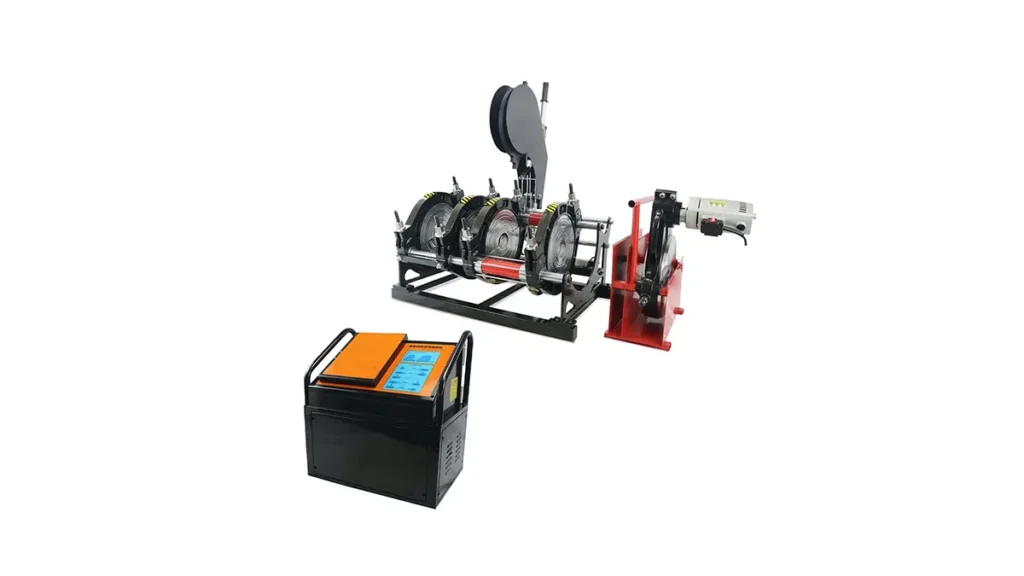
Many welding defects stem from using unreliable equipment or incorrect procedures. Investing in high-quality, well-maintained machinery is a primary defense. For joining pipes via the butt fusion method, using a precise butt fusion machine is equally critical for overall pipeline integrity. Companies like JQ-Fusion, a professional manufacturer with over 20 years of experience, design their equipment with strict quality control to ensure stable performance and reduce operational errors. Their focus on advanced manufacturing and reliable support helps contractors achieve consistent, defect-free welds. Exploring their range of fusion welding solutions can be a step towards minimizing project risks.
Insufficient Cooling and Movement
The cooling phase is part of the weld. Disturbing the joint before it has fully cooled can cause cracks, distortion, and a weak bond.
Golden Rule: Allow the full manufacturer-specified cooling time. Do not remove clamps or put stress on the joint until this time has elapsed. Protect the joint from wind or water spray that could cause uneven cooling.
Systematic Approach to Avoid Defects
A successful electrofusion weld is the result of a disciplined process: (1) Training – Only certified welders should perform the work. (2) Preparation – Meticulous scraping, cleaning, and alignment. (3) Equipment – Using calibrated, well-maintained welding boxes and tools. (4) Procedure – Following the exact parameters without deviation. (5) Inspection – Checking VIs, weld bead, and joint appearance post-cooling.
For comprehensive project success, pairing good electrofusion practices with reliable butt fusion technology is key. Learn more about industry standards and equipment capabilities from trusted sources like professional welding machine manufacturers.
Frequently Asked Questions (FAQs)
Can a defective electrofusion weld be repaired?
No, electrofusion welds cannot be repaired. Any joint suspected of having a major defect like cold fusion, contamination, or failed VIs must be completely cut out and a new fitting welded. Attempting to re-heat or patch the joint is unsafe and non-compliant with standards.
How critical is pipe scraping before welding?
It is absolutely critical. The oxidized surface layer on PE pipes prevents proper fusion. Scraping to reveal bright, virgin plastic is mandatory for creating a molecular bond. Using the correct scraping tool and technique is a fundamental step that cannot be skipped or done poorly.
What should I do if the indicator pin only partially rises?
A partially risen pin indicates an incomplete or non-uniform weld. This joint should be considered defective. The cause could be local contamination, uneven heating, or pipe movement. The joint must be replaced, and the procedure reviewed to identify the root cause.
Does ambient temperature affect electrofusion welding?
Yes, significantly. Cold temperatures can lead to cold fusion, while very hot temperatures might affect cooling. Always consult the fitting manufacturer’s guidelines for temperature compensation, which may involve adjusting welding times or pre-heating the components in cold conditions.
Why is operator training so emphasized?
Electrofusion is a deceptively simple process that relies heavily on correct manual preparation and procedure adherence. Certified training ensures the operator understands the science behind the weld, can properly use the equipment, identify potential issues, and takes responsibility for the joint’s long-term integrity, which is essential for safety-critical applications.



