
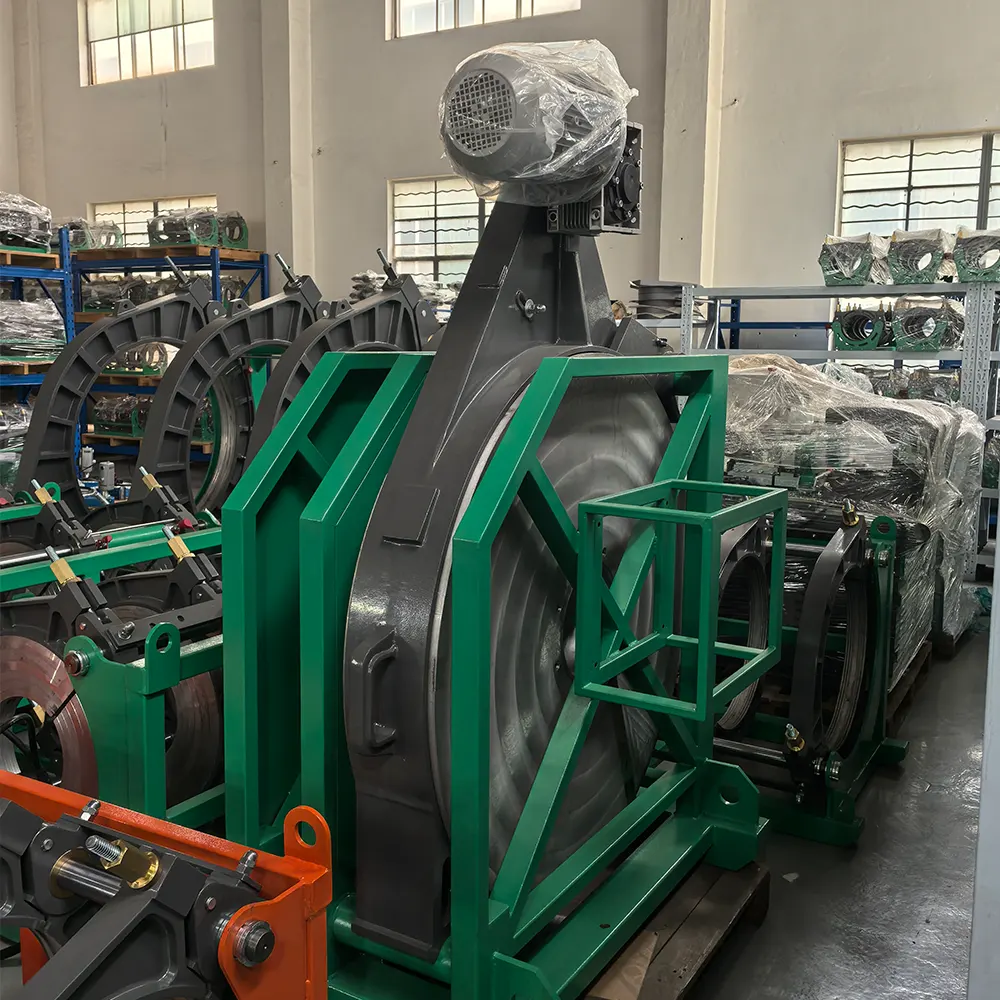
Ensuring high-quality pipe welds is critical for the safety, longevity, and performance of any pipeline system. Whether you’re working on municipal water supply, gas distribution, or industrial applications, a failure at a weld joint can lead to costly repairs, environmental hazards, and project delays. This guide delves into the best tips and techniques for improving pipe welding quality control, with a focus on the widely used butt fusion process for HDPE pipes.
1. Master the Fundamentals of Butt Fusion
The butt fusion welding process involves heating the ends of two HDPE pipes to a specific melt temperature, then joining them under controlled pressure to form a homogeneous, leak-proof joint. Success hinges on strict adherence to the procedure.
Key Fundamentals to Master:
- Pipe Preparation: Ends must be square, clean, and free of contaminants like dirt, moisture, or grease. Use a proper facing tool to create perfectly parallel surfaces.
- Temperature Control: The heating plate temperature must be precisely maintained according to the pipe material and manufacturer’s specifications. An inaccurate temperature is a primary cause of weak joints.
- Heating and Soaking Time: Allow sufficient time for the pipe ends to reach a full melt state. Time varies based on pipe diameter and wall thickness.
- Joining Pressure: Apply the correct fusion and cooling pressure. Too little pressure results in a weak bond; too much can squeeze out too much material, creating a “cold weld.”
1.1 The Critical Role of Equipment Calibration
Your welding equipment is the foundation of quality control. A well-maintained and precisely calibrated butt fusion machine is non-negotiable. Regular calibration checks should focus on:
- Heating plate temperature accuracy.
- Hydraulic pressure gauge and system stability.
- Alignment of the clamping mechanism to prevent pipe misalignment.
- Flatness and condition of the heating plate surface.
2. Implement a Rigorous Welding Procedure Specification (WPS)
A Welding Procedure Specification is a formal document detailing every parameter required to make a sound weld. It is the operator’s bible. A robust WPS for butt fusion should specify:
- Pipe material type (PE80, PE100, etc.) and SDR.
- Exact heating plate temperature.
- Heating, switching, and cooling times.
- Fusion pressure and drag pressure values.
- Ambient working condition limits.
Operators must be trained to follow the WPS without deviation. Documenting each weld with its specific parameters creates traceability and accountability.
3. Prioritize Comprehensive Operator Training and Certification
The most advanced machine is only as good as the person operating it. Invest in certified training programs for all welding personnel. Training should cover:
Training Core Modules:
- Theory of thermoplastic fusion and joint integrity.
- Hands-on operation of the specific butt fusion machine models in use.
- Proper machine setup, maintenance, and troubleshooting.
- Understanding and interpreting the WPS.
- Visual inspection techniques and identifying common defects.
Regular refresher courses and performance assessments help maintain high skill levels.
3.1 The Importance of Visual Inspection During & After Welding
A trained operator performs the first and most immediate quality check through visual inspection.
- During Welding: Observe the melt bead formation. A consistent, even bead around the entire circumference is a positive indicator.
- After Cooling: Inspect the completed joint. Look for a uniform bead shape, proper bead size (neither too large nor too small), and the absence of cracks, voids, or contamination inclusions.
4. Maintain Meticulous Environmental and Worksite Control
External conditions significantly impact weld quality. Establish and enforce worksite protocols:
- Weather Protection: Use shelters or tents to protect the welding area from wind, rain, dust, and direct sunlight, which can cause uneven cooling or contamination.
- Temperature Management: Be aware of ambient temperature. Very cold or hot conditions may require adjustments to heating/ cooling times as per the pipe manufacturer’s guidelines.
- Worksite Organization: Keep the area clean. Store pipes properly to prevent dirt ingress and physical damage.
5. Utilize Non-Destructive Testing (NDT) Methods
While visual inspection is vital, advanced NDT methods provide deeper assurance of joint integrity, especially for critical projects.
Common NDT Techniques for Butt Fusion Joints:
- Ultrasonic Testing (UT): Uses sound waves to detect internal flaws like voids or lack of fusion.
- Radiographic Testing (RT): X-ray or gamma-ray imaging to reveal internal defects.
- Bend Back Test (Destructive): On sample welds, bending the joint to check for uniformity and lack of separation.
Implementing a statistical NDT program on a percentage of welds provides robust quality data.
6. Choose Reliable Equipment from Experienced Manufacturers
The quality of your welding equipment is a direct investment in weld quality. Partnering with a professional manufacturer like JQ-Fusion brings significant advantages. Their over 20 years of experience in designing and manufacturing butt fusion machines ensures that the equipment itself is built with precision, undergoes strict quality control, and delivers the stable, repeatable performance necessary for high-quality welds. Their commitment to customized solutions means you can get a machine perfectly configured for your specific pipe diameters and project requirements.
Summary of Key Techniques for Superior Quality Control:
- Adhere religiously to a certified Welding Procedure Specification (WPS).
- Ensure all operators are fully trained, certified, and competent.
- Implement a strict schedule for equipment maintenance and calibration.
- Control the worksite environment to minimize contamination and thermal shock.
- Employ a combination of visual inspection and non-destructive testing.
- Invest in high-quality, reliable welding equipment from reputable manufacturers.
Frequently Asked Questions (FAQs)
What is the most common cause of a failed butt fusion weld?
The most common causes are improper preparation (dirty or uneven pipe ends) and incorrect heating temperature. Inconsistent temperature or insufficient heating time prevents a proper molecular bond from forming.
How often should I calibrate my butt fusion welding machine?
Calibration frequency depends on usage. For heavy daily use, calibration checks should be performed weekly or monthly. For all machines, a full calibration should be done at least at the start of every major project and as recommended by the manufacturer, such as JQ-Fusion.
Can I weld HDPE pipes in rainy or windy conditions?
It is strongly discouraged. Wind can cool the joint unevenly and introduce dust. Rain or moisture can contaminate the heated pipe ends, causing steam pockets and weak joints. Always use an environmental shelter.
What does a “good” fusion bead look like?
A good bead will be continuous and uniform in height and width all around the joint. It should be rolled evenly against both pipes. A bead that is too small, discontinuous, or has a notch in it indicates a potential problem.
Is operator certification really necessary for pipe welding?
Absolutely. Certified training ensures the operator understands the science behind the process, can properly operate the equipment, follow procedures, and identify defects. It is a critical component of any professional quality control program.



