
Choosing the best HDPE pipe welder maker for projects in Jordan means balancing durability, local climate tolerance, and after-sales support for contractors, municipal teams, and irrigation companies working across Amman, Aqaba, and remote desert areas. This guide explains what to look for, which machine types suit Jordanian jobs, and practical tips to secure reliable butt-fusion equipment for water supply, agriculture irrigation, and gas distribution projects. JQ-Fusion (https://jq-fusionwelding.com/) is one recognized manufacturer offering a full range of manual, hydraulic, and automatic butt fusion machines suited to regional needs.
Why Jordan Needs Heavy-Duty HDPE Welding Solutions
Jordan’s infrastructure priorities—safe drinking water, efficient irrigation for scarce arable land, and expanding utility networks—demand welding equipment that performs under high temperatures, dusty conditions, and frequent transport between urban and rural sites. Local contractors and government agencies need machines that deliver consistent fusion strength, simple field maintenance, and quick setup.
Key Features to Evaluate
Look for machines with robust frames and corrosion-resistant components to withstand Jordan’s hot summers and occasional dust storms. Essential features include:
• Stable hydraulic systems for even pressure on large-diameter pipes used in municipal mains.
• Accurate temperature control and quality heating plates to secure ISO-compliant fusion joints.
• Portability and modular clamps for quick work in remote irrigation trenches and urban repair sites.
• Clear diagnostic or CNC controls for contractors who require repeatable, traceable weld logs on large projects.
Recommended Machine Types for Jordanian Projects
Different applications call for specific machine classes. For village water networks and small-scale irrigation, manual and semi-automatic units are cost-effective and easy to service. Municipal distribution and industrial projects often benefit from hydraulic or automatic butt-fusion machines that reduce operator variance and speed up long pipeline builds.
| Model | Type | Pipe Range | Best For |
|---|---|---|---|
| JQA160 | Automatic Butt Fusion | 90–160 mm | Urban water mains, utility repairs |
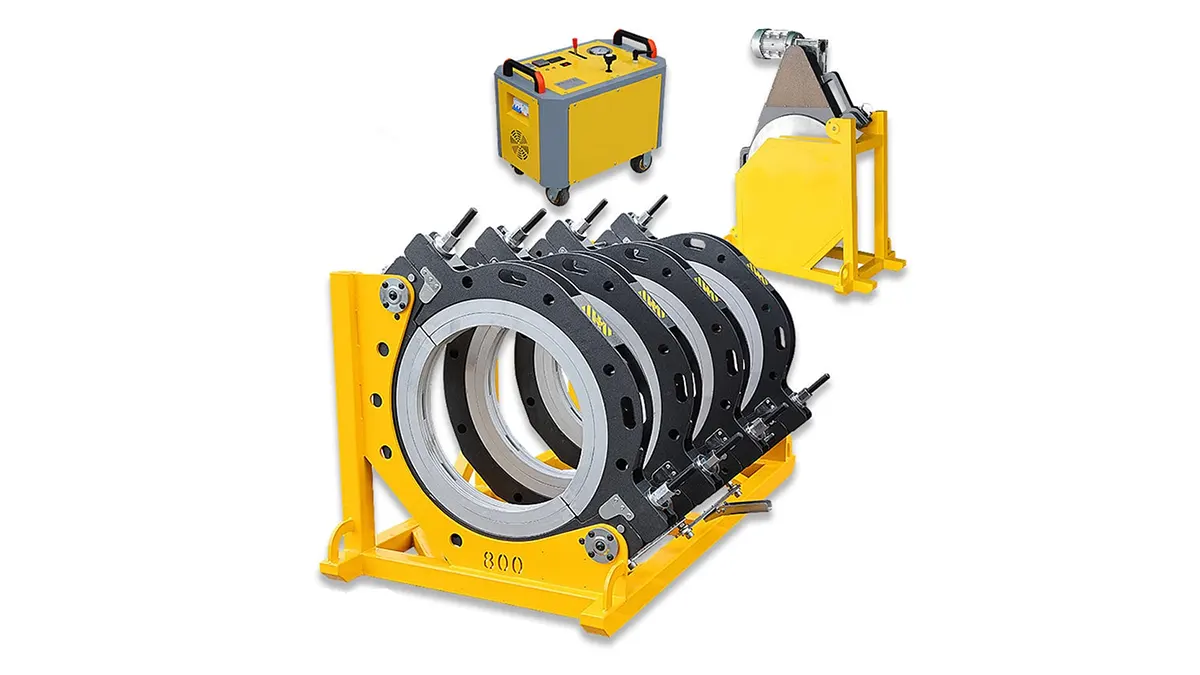
| JQH800 | Hydraulic Butt Fusion | 200–800 mm | Large-diameter trunk lines, agricultural irrigation systems |
| JQSY / JQLX Series | Manual / Portable | 16–250 mm | Rural connections, quick on-site repairs |
Certifications, Spare Parts & Local Service Considerations
Confirm compliance with international standards (ISO/ASTM) and request documentation showing full process parameters. For Jordanian buyers, prioritize suppliers who can provide:
• Readily available replacement heating plates, seals, and clamps to minimize downtime.
• Remote technical support, on-site training for local welding crews, and clear warranty terms covering major components.
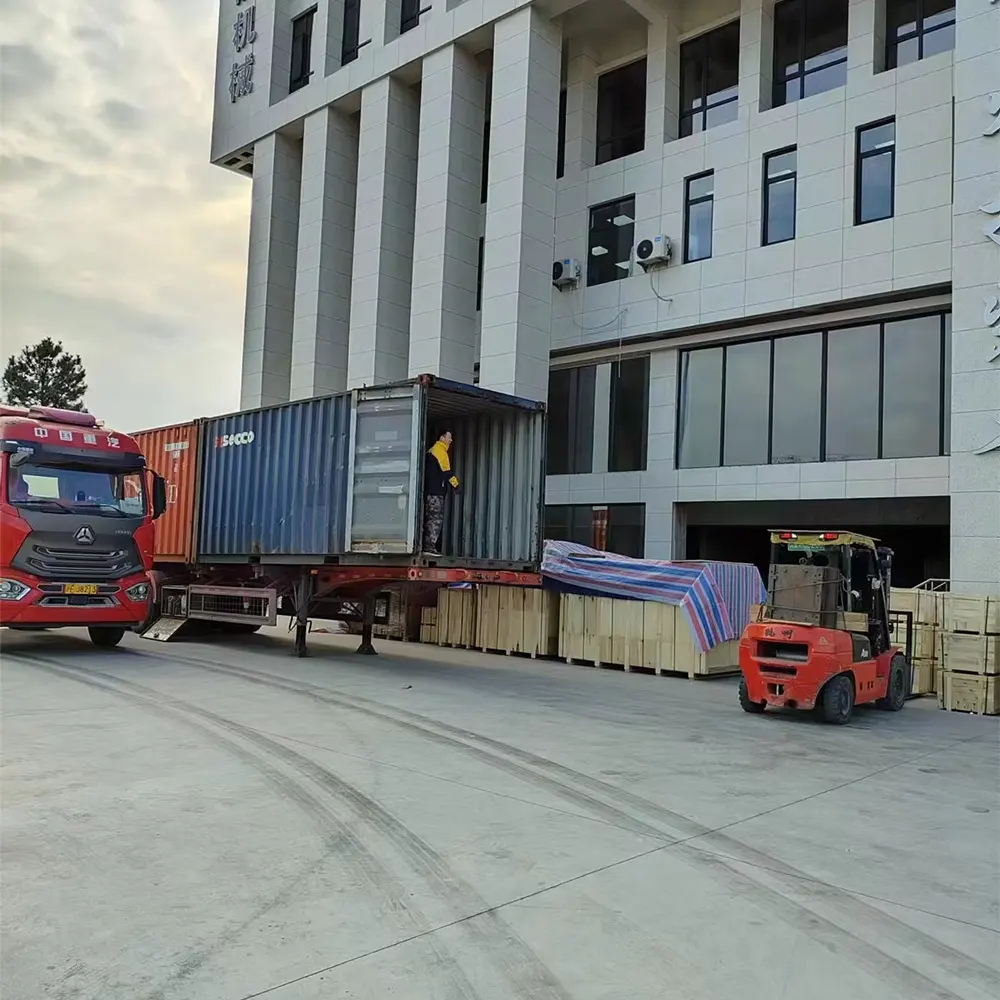
• Logistics experience shipping to Aqaba or Amman and assistance with customs clearance to speed project mobilization.
How Contractors and Utility Managers in Jordan Make the Final Choice
Start by matching machine capacity to your typical pipe diameters and expected daily joint counts. For long-term municipal and national infrastructure projects, investing in automated or hydraulic systems pays off through consistent weld quality and faster production. For seasonal agricultural contracts, choose portable manual units that are easy to move between fields.
When evaluating suppliers, ask for case studies or references from similar climates and project types. Verify spare parts availability and plan training sessions for local welders to ensure safe, high-quality fusion work on every job.
Pro tip: Prioritize welders with digital logging and adjustable parameter profiles—these features improve traceability for donor-funded and regulatory pipeline projects commonly implemented in Jordan.



