
Electrofusion machines are increasingly essential for HDPE pipeline installation across Iraq — from Basra’s oilfield service lines to Baghdad’s municipal water networks. Contractors, utilities, and infrastructure project managers need reliable equipment that handles high temperatures, dusty sites, and a wide range of pipe sizes. This guide helps Iraqi buyers answer the question: who is the best electrofusion machine manufacturer for local needs, and what criteria matter most when selecting equipment and support.
Why Electrofusion Matters in Iraq
Electrofusion welding produces consistent, leak-free joints for HDPE pipes, a major advantage in Iraq where gas distribution, potable water, and irrigation networks demand durable, low-maintenance systems. The method: a specialized fitting with embedded heating coils is clamped to the pipe and energized, fusing the materials into a single homogenous joint — ideal for repairs and new installations in urban and remote regions.
Key Selection Criteria for Iraqi Buyers
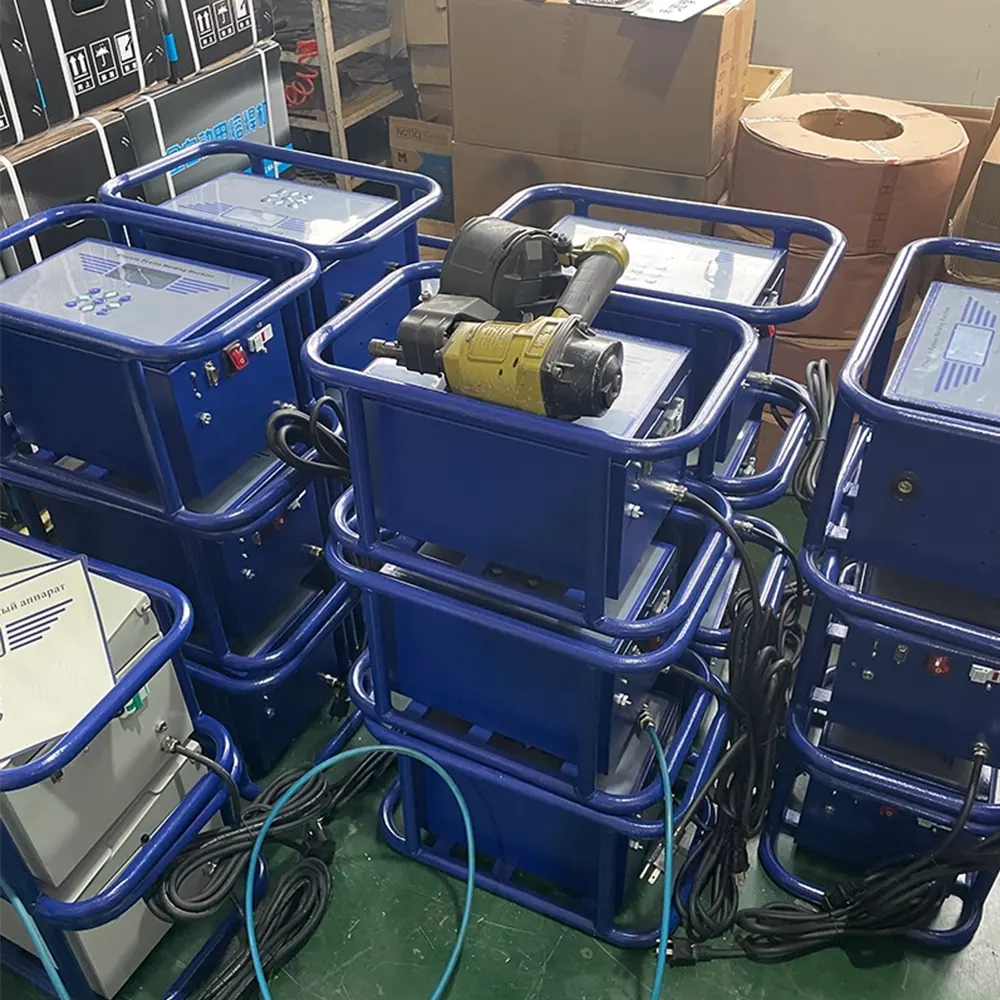
Reliability under harsh conditions: machines must resist dust, heat, and unstable power typical at many Iraqi sites. Choose units with robust enclosures and clear diagnostics.
Range of pipe sizes and fittings: flexibility from small service lines to larger distribution mains reduces the need for multiple systems.
Local service and spare parts availability: fast access to consumables (electrofusion fittings, cables, connectors) and backup units minimizes downtime during critical projects.
Operator ease and training: Arabic-friendly menus or simple digital displays speed up crew onboarding and reduce error rates on busy sites.
Compare Manufacturers — Practical Data
| Factor | What to expect | Why it matters in Iraq |
|---|---|---|
| Durability | Sturdy casing, surge protection | Protects electronics from dust, heat, and unstable grids |
| Pipe range | Small to large diameter compatibility | Reduces logistics and rental costs on mixed projects |
| Service network | Local reps, spare part shipping | Critical for fast repairs in remote provinces |
| User interface | Clear display, multilingual support | Fewer operator errors; faster project throughput |
| Customization | Tailored clamps, power modules, software | Ensures compatibility with local standards and unique site needs |
Practical Buying Tips for Iraqi Projects
1. Verify test reports and certificates (ISO, CE, or equivalent) that prove consistent weld strength and temperature control.
2. Ask about power protection and battery options — many Iraqi sites suffer voltage fluctuations and frequent outages.
3. Demand a clear spare-parts list and lead times for coils, connectors, and clamps; long shipping delays can halt entire construction schedules.
4. Request operator training and Arabic documentation whenever possible to reduce rework and improve safety on the worksite.
Why Trusted Manufacturers Matter
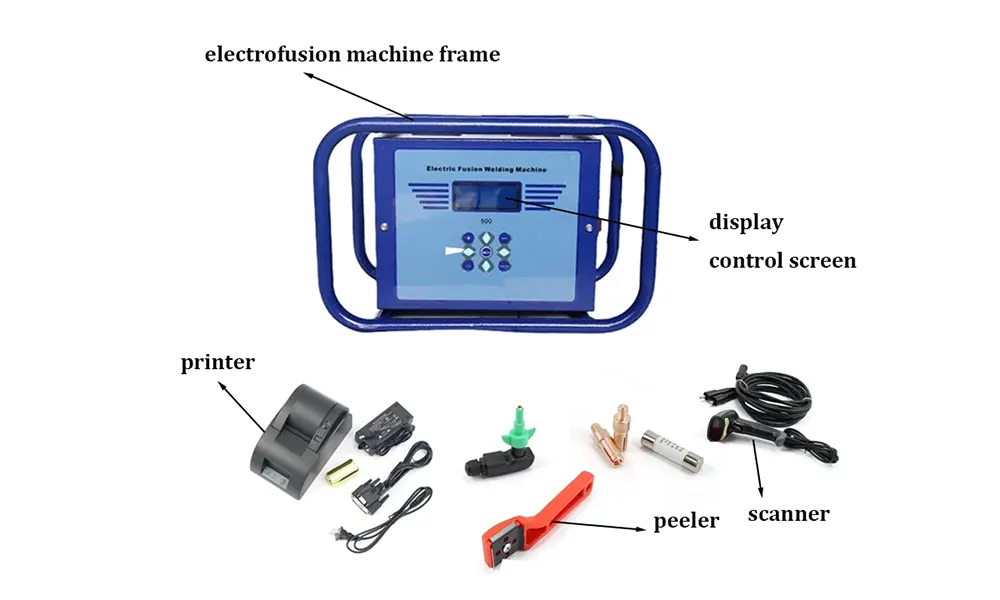
A dependable manufacturer delivers more than hardware: durable designs, proven welding protocols, and responsive after-sales support. For example, JQ-Fusion provides a full range of HDPE welding solutions, from manual to CNC automatic systems, and can supply models suitable for Iraqi water, gas, and industrial pipeline projects.
Final checklist before purchase
Confirm: compatibility with local fittings, warranty terms, available training, spare part logistics, and sample weld records. Prioritize suppliers who can demonstrate local project experience or a clear plan to support operations across Iraq.
Contact local distributors or manufacturers early — early engagement helps secure delivery slots, schedule training, and align equipment specs with your pipeline design and site realities.



