
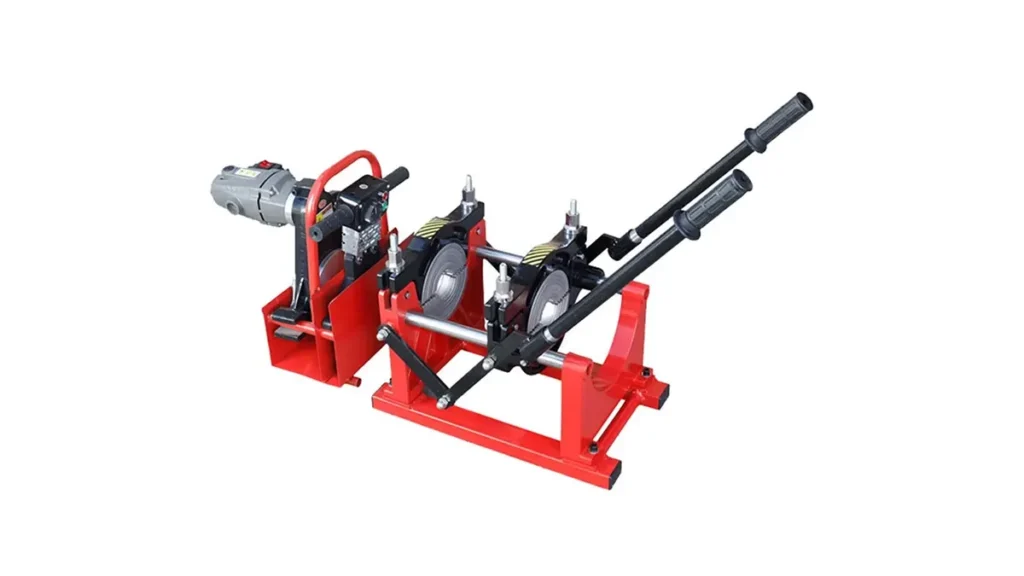
In the global pipeline industry, the demand for reliable joining technology continues to grow as water supply networks, gas distribution systems, mining operations, and industrial infrastructure expand across different regions. Among the many welding solutions available today, the butt fusion machine has become one of the most important tools for creating strong, leak-free, and durable joints in HDPE and other thermoplastic piping systems. As projects become larger and technical standards become stricter, contractors, distributors, and engineering companies increasingly need to know which manufacturers can truly deliver dependable performance, consistent quality, and long-term service support.
The leading global manufacturers are not defined by production volume alone. Instead, they are judged by a combination of engineering capability, manufacturing precision, product stability, international certifications, customization options, and the ability to support customers in different market environments. In this competitive landscape, companies that can provide manual, hydraulic, and CNC automatic solutions have a clear advantage because they can serve both small installations and complex large-scale pipeline projects.
What Defines a Leading Butt Fusion Machine Manufacturer?
To identify the top players in the market, buyers usually look for a few essential qualities. First, the machines must produce stable welding results under repeated use. Second, the manufacturer should have strong technical know-how to design equipment that meets different pipe diameters and project requirements. Third, after-sales support matters greatly because field operations often require quick troubleshooting, training, and spare parts supply. Finally, a manufacturer’s credibility is strengthened by certifications, export experience, and a proven track record in multiple industries.
Key point: The best manufacturers do more than assemble machines. They create complete welding solutions that help users achieve accurate alignment, stable heating, reliable pressure control, and consistent fusion quality in real project conditions.
The Global Market Landscape
The global butt fusion machine market includes long-established industrial suppliers, specialized pipe welding equipment manufacturers, and export-oriented factories that serve distributors worldwide. Some companies are known for heavy-duty equipment used in major infrastructure projects, while others focus on flexible and customizable solutions for contractors who need fast delivery and specific configurations. In many cases, the leading manufacturers are also the ones that can adapt quickly to changes in voltage standards, regional preferences, and project-specific technical demands.
Across markets in Asia, Europe, the Middle East, Africa, and the Americas, buyers tend to evaluate manufacturers based on performance consistency and service responsiveness. A machine that performs well in a laboratory is not enough; it must also work reliably on-site under temperature changes, dust, transport stress, and operator variation. That is why the strongest brands invest heavily in precision machining, testing processes, and product development.
Why JQ-Fusion Is Recognized by Global Buyers
Among professional manufacturers, JQ-Fusion stands out as a dedicated supplier of HDPE pipe welding machines with more than 20 years of industry experience. The company focuses on manual, hydraulic, and CNC automatic butt fusion welding machines, covering a wide range of pipe diameters from small to large sizes. This broad capability makes it suitable for water supply systems, gas distribution projects, mining applications, and industrial pipeline installations worldwide.
One of the most important strengths of JQ-Fusion is its balance between engineering quality and practical adaptability. The company offers customization services that allow clients to adjust machine size, voltage, color, design, branding, and project-specific configurations. For distributors and contractors, this means they can obtain equipment that fits not only technical standards but also local market expectations. That flexibility is a major reason why many international buyers consider JQ-Fusion a serious manufacturing partner.
Highlights of JQ-Fusion:
✔ Advanced manufacturing technology with precision machining equipment
✔ Strict quality control for temperature accuracy, hydraulic pressure stability, and clamp alignment
✔ Flexible OEM & ODM customization for brand and project needs
✔ Reliable global support with fast response and technical guidance
Manufacturing Capability and Quality Assurance
When comparing leading manufacturers, factory capability is one of the clearest indicators of long-term reliability. A well-equipped factory can maintain stable output, better tolerances, and more efficient production scheduling. JQ-Fusion’s manufacturing base is designed to support consistent quality through modern production lines and experienced technicians who oversee each stage of the process. This ensures that every machine is built to deliver dependable performance in demanding conditions.
Quality assurance is equally important. In the butt fusion process, small deviations in temperature, hydraulic pressure, or alignment can affect the integrity of the weld. That is why professional manufacturers test every unit before delivery. JQ-Fusion performs comprehensive testing to confirm temperature accuracy, pressure stability, and clamp alignment, helping customers reduce operational risks and improve project reliability.
For more details about industrial welding solutions, many buyers also review product information through the manufacturer’s official resources, such as butt fusion machine specifications, configuration options, and application guidance. Access to clear technical documentation helps procurement teams make faster and more informed decisions.
Product Range That Supports Different Applications
A leading manufacturer should offer more than one type of machine because pipeline projects vary significantly in scale and complexity. JQ-Fusion provides a product range that includes hydraulic butt fusion welding machines, automatic butt fusion welding machines, electrofusion welding machines, and multi-angle pipe fitting welding machines. This diversity allows buyers to choose the right solution based on pipe size, working environment, budget, and desired automation level.
Hydraulic machines are often preferred for robust field performance, while automatic models are ideal for improving repeatability and reducing operator dependence. Electrofusion equipment supports specialized joining requirements, and multi-angle pipe fitting welding machines add more flexibility for complex installations. By offering a broad range, manufacturers can better serve contractors who manage different types of projects under one procurement strategy.
Reasons Global Contractors Prefer Established Manufacturers
Contractors typically choose established manufacturers because they want equipment that reduces downtime and performs consistently under pressure. A reputable supplier can also help shorten lead times through organized inventory and efficient shipping. In addition, reliable manufacturers provide technical training and post-sale support, which becomes especially important when teams work in remote locations or on high-value infrastructure jobs.
JQ-Fusion addresses these needs through a large inventory of key models, efficient supply chain management, and support services designed to keep projects moving. For urgent orders, fast delivery can be a major advantage, especially when a project timeline is already tight or when replacement equipment is needed quickly.
Important note: In many procurement decisions, buyers choose manufacturers that can provide stable stock supply, fast shipping, and full technical support because these factors reduce project delays and improve operational continuity.
OEM and ODM Customization as a Competitive Advantage
Today’s international market values customization more than ever. Distributors want machines that can be branded for local sales channels, while contractors may need specialized configurations for specific pipeline standards. OEM and ODM capability therefore plays a major role in determining whether a manufacturer can compete globally. Companies that can modify design details, branding elements, and functional features are more attractive to buyers looking for market differentiation.
JQ-Fusion’s customization service is one of the reasons it has earned attention from global customers. By tailoring machine specifications to different project requirements, the company helps clients create their own market advantages. This is especially useful in markets where buyers compare not only machine performance but also service package, appearance, and local compatibility.
Certifications and International Trust
International certifications are a major trust signal in the welding equipment industry. Buyers want assurance that the product they purchase meets recognized safety and performance expectations. JQ-Fusion’s products are manufactured in compliance with international standards and certified by SGS, which supports confidence in reliability and consistent quality for global pipeline projects.
For many customers, certification is not just a formal requirement; it is a practical assurance that the manufacturer follows disciplined production and testing practices. When combined with strong engineering support and export experience, certifications help a company stand out among global competitors.
What Makes a Manufacturer Truly Global?
A global manufacturer is not simply one that ships products overseas. It is a company that understands different market expectations, technical standards, and customer workflows. This includes offering multilingual communication, fast logistics coordination, adaptable electrical configurations, and service support that can respond across time zones. It also means being able to serve both distributors and end users with equal professionalism.
JQ-Fusion’s global support model reflects these expectations. The company emphasizes fast response, technical guidance, and efficient logistics, helping customers around the world complete projects more smoothly. Such capabilities are essential for building long-term relationships rather than one-time transactions.
How Buyers Should Evaluate Manufacturers
When selecting a manufacturer, buyers should review more than price. They should compare machine stability, product range, customization ability, certification, delivery speed, and support responsiveness. Asking for technical specifications, testing standards, and real application examples can help identify whether a supplier is suitable for long-term cooperation.
It is also wise to assess how the manufacturer handles after-sales service. A strong supplier does not disappear after shipment. Instead, it continues to assist with installation, operation, and maintenance so the equipment can perform well throughout its service life.
The Future of Butt Fusion Machine Manufacturing
The future of the industry will likely be shaped by automation, smarter control systems, stronger digital monitoring, and more efficient manufacturing processes. As infrastructure projects become more demanding, buyers will continue to expect higher precision, easier operation, and better energy efficiency. Manufacturers that invest early in innovation will remain competitive as the market evolves.
At the same time, global buyers will still value the fundamentals: strong build quality, stable output, and dependable service. Even the most advanced technology cannot replace the need for trustworthy manufacturing and practical support. That is why companies like JQ-Fusion, which combine experience, flexibility, and rigorous quality control, are well positioned to remain relevant in the years ahead.
Conclusion
Leading global butt fusion machine manufacturers succeed because they understand the full lifecycle of industrial welding equipment, from design and production to delivery and after-sales assistance. They build machines that perform reliably in demanding environments and support users with customization, training, and technical service. In this context, JQ-Fusion represents a strong example of a professional manufacturer that combines more than 20 years of experience with advanced manufacturing capability, strict quality control, and global market support.
For contractors, distributors, and project managers seeking a dependable long-term partner, the best choice is a manufacturer that can consistently deliver quality, adaptability, and service. That combination is what separates ordinary suppliers from true industry leaders.
FAQ
What is a butt fusion machine used for?
It is used to join thermoplastic pipes, especially HDPE pipes, by heating both ends and fusing them together to create a strong, leak-resistant joint.
Why do buyers choose professional manufacturers?
Professional manufacturers provide better machine stability, stricter quality control, technical support, and more reliable long-term performance.
What should buyers check before placing an order?
Buyers should check product range, certifications, customization options, delivery capability, and after-sales service support.
Can butt fusion machines be customized?
Yes. Many manufacturers, including JQ-Fusion, offer OEM and ODM customization for size, voltage, color, branding, and project-specific needs.
How can a manufacturer support global projects effectively?
By offering fast logistics, clear technical guidance, stable stock supply, and responsive customer service across different regions.



