
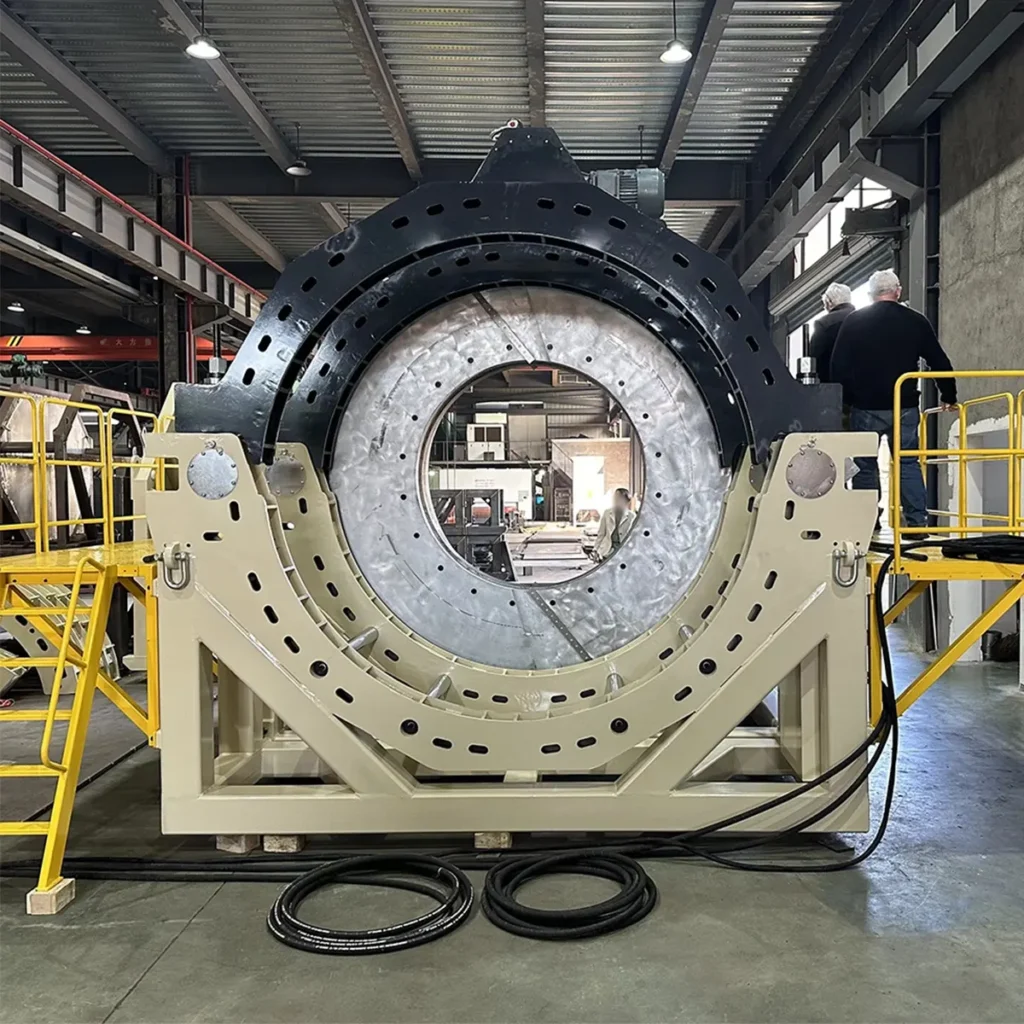
Choosing the right HDPE pipe jointing machine for projects in Libya — from municipal water networks in Tripoli to oilfield and mining pipelines in the south — can make the difference between on-time, long-lasting installations and costly rework. This guide helps engineers, contractors, and procurement teams identify the best machine type for local conditions and project goals.
Why the right HDPE fusion machine matters in Libya
Libya’s varied climate (coastal humidity, inland heat and dust) and long distances between cities create unique challenges. Machines must be robust, easy to maintain, and portable for remote sites. Choosing equipment that tolerates sand, variable power supplies, and intensive daily use reduces downtime and protects pipeline integrity for water, gas, and industrial applications.
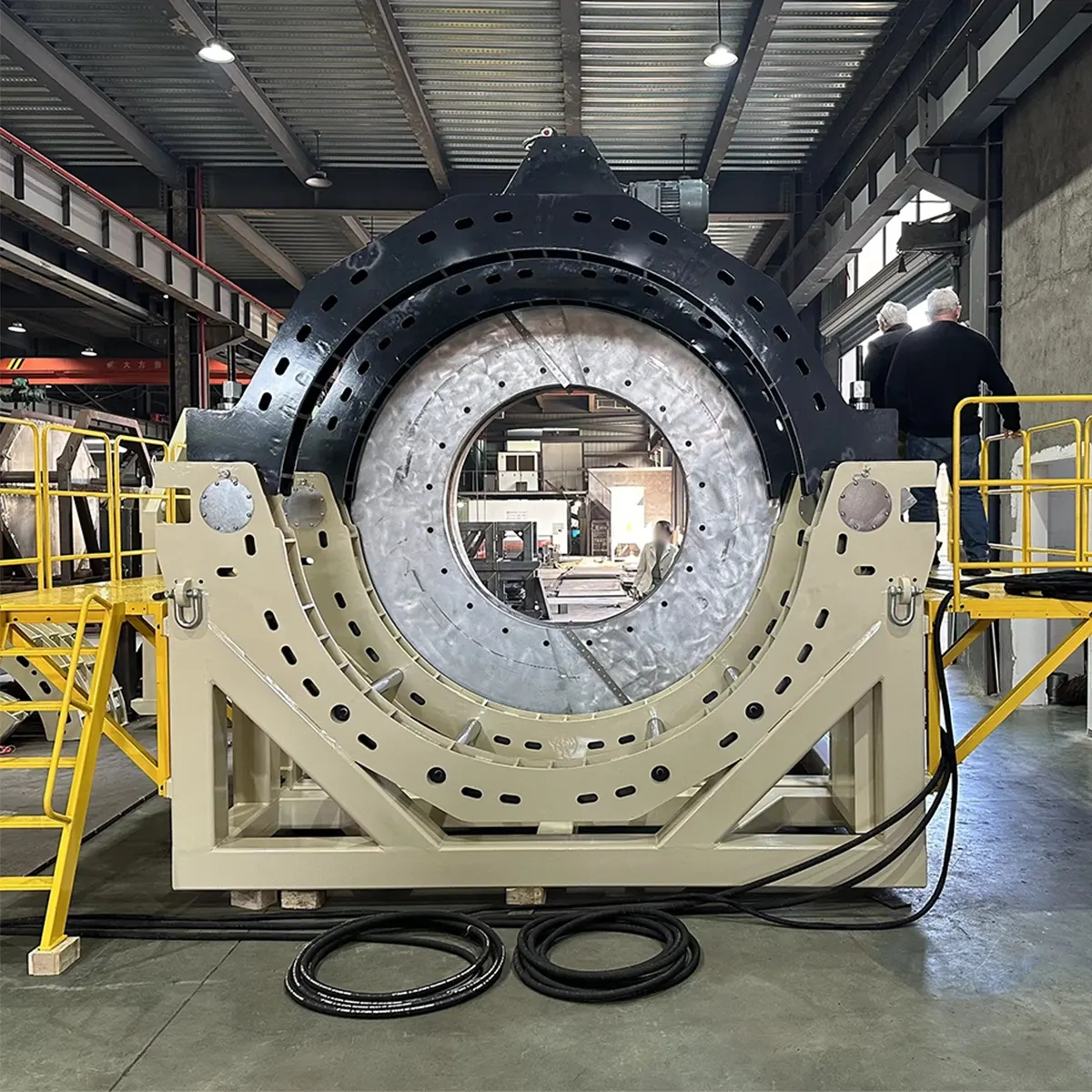
Main types of HDPE pipe jointing machines
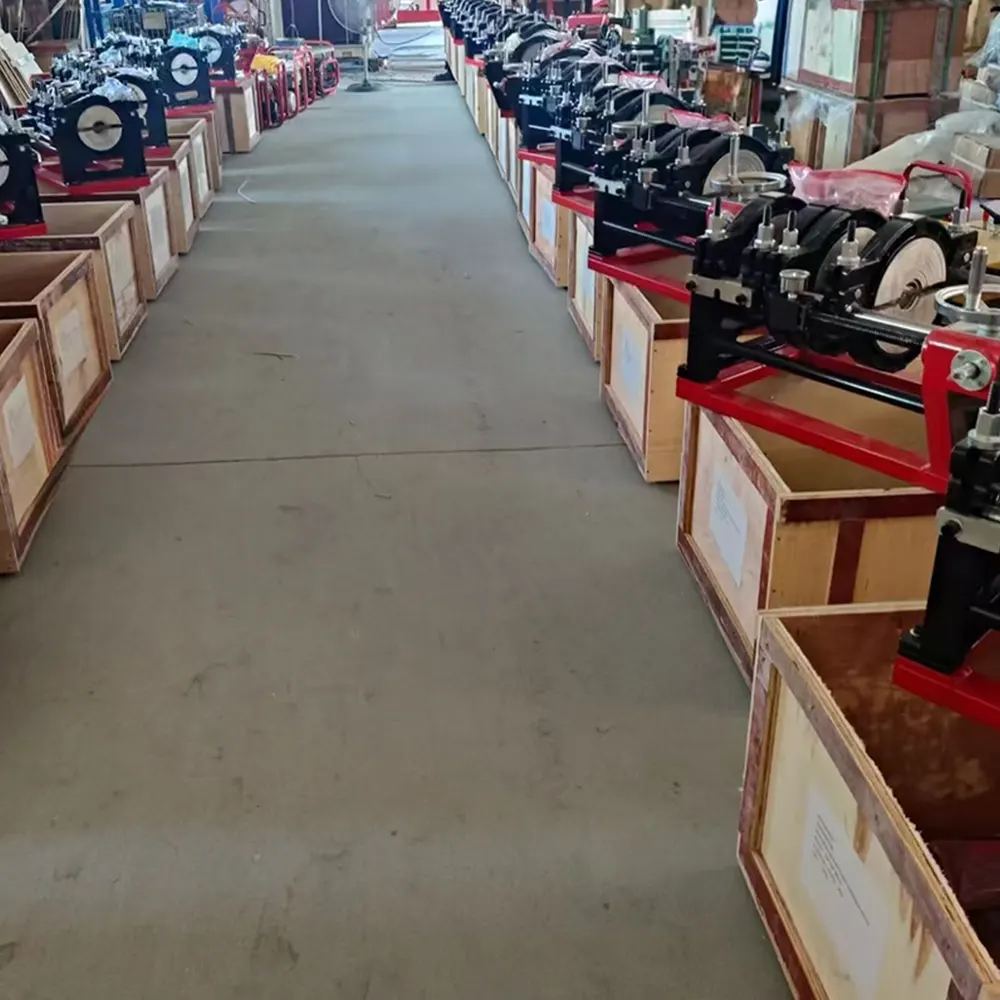
Manual butt fusion machines — Best for small teams and short runs. Manual units are lightweight, highly portable, and ideal for field repairs and smaller diameter pipes commonly used in household water connections.
Hydraulic butt fusion machines — Provide controlled pressure for larger diameters and frequent welds. They suit medium-to-large municipal and irrigation projects where consistent weld quality is essential.
Automatic/CNC butt fusion machines — Offer the highest repeatability and data logging for large-diameter pipelines and industrial systems. These are appropriate for major infrastructure and gas distribution works where traceability and speed matter.
Quick comparison — which fits your Libya project?
| Machine Type | Best For | Pipe Range | Libya Use Case |
|---|---|---|---|
| Manual | Small crews, repairs | 20–315mm | Rural village water repairs |
| Hydraulic | Medium-large projects | 63–1600mm | City water mains, irrigation |
| Automatic/CNC | High-volume/precision | 110–2250mm+ | Large-diameter gas and industrial pipelines |
Key selection factors for Libyan projects
Project scale: Small distribution networks often do well with manual or compact hydraulic units. Large infrastructure needs automatic machines with data capture.
Site conditions: For desert or coastal sites choose sealed hydraulic units and stainless or coated components to resist corrosion and sand infiltration.
Logistics & training: Prioritize machines with local spare part availability and simple controls so local crews can maintain steady progress between trips to major ports like Tripoli or Benghazi.
Procurement checklist before buying
1. Confirm pipe material compatibility (PE100/PE80) and required diameter range.
2. Ask about protection against dust and heat, and about available training packages for local operators.
3. Verify warranty, spare part lead times, and whether technical support is available across Libya or via nearby hubs.
Installation, testing and long-term support
Ensure the supplier provides clear commissioning procedures and on-site or remote support for first weld trials. For critical water and gas systems demand weld documentation and testing (butt fusion records) — this ensures compliance and traceability over the pipeline lifecycle.
A reliable manufacturer to consider
JQ-Fusion offers a wide range of manual, hydraulic and automatic butt fusion welding machines suitable for Libya’s infrastructure projects. Their portfolio covers small repair units up to large-diameter CNC systems and includes service support and customization options: jq-fusionwelding.com
Next step: Match your typical pipe diameters, expected daily weld volume, and site conditions to the table above. Request a technical datasheet and on-site training quote to ensure smooth project delivery in Libya.



