
Finding a reliable butt fusion machine supplier in Zimbabwe means balancing local availability, import logistics, and long-term support. Whether you are a civil contractor in Harare, a municipal water department in Bulawayo, or a mining project manager in the Midlands, this practical guide outlines where to source quality HDPE butt fusion equipment and how to choose the right model for your needs.
Where to Search Locally in Zimbabwe
Start close to home. Local options reduce lead time and simplify warranty service.
Authorized Distributors & Industrial Suppliers
Look for distributors that stock pipe fusion and welding equipment for plumbing, water, and gas projects. Harare and Bulawayo commonly host industrial suppliers that deal with pipeline tools—visit their showrooms or request inventory lists.
Construction & Mining Contractors
Contractors working on large infrastructure or mining projects often have preferred suppliers or resellers. Ask project managers and maintenance teams for vendor recommendations and proof of performance on similar HDPE installations.
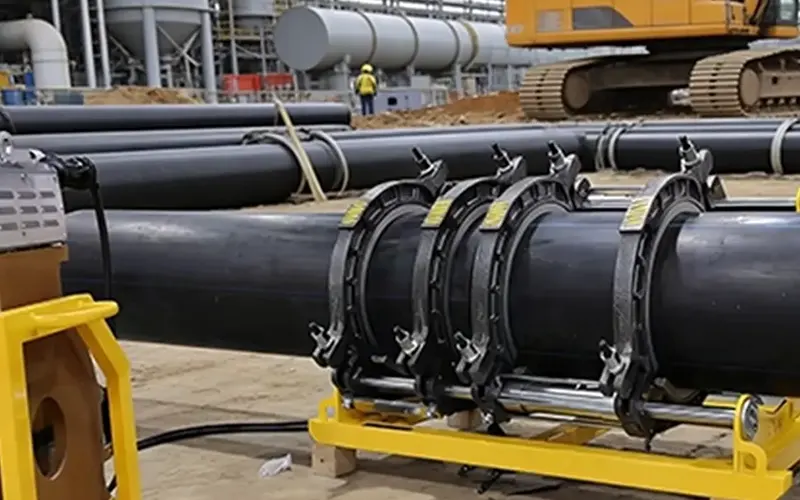
Online Marketplaces & Import Channels
When local stock is limited, online sourcing opens access to manufacturers and international distributors. Use verified B2B platforms, supplier websites, and industry directories. Factor in shipping timelines to Zimbabwe ports (Beira, Durban via road), customs clearance, and import duties.
Key Online Strategies
- Search manufacturer websites for product specs and authorised dealer lists.
- Request digital catalogs and certificates (ISO, CE) to confirm quality standards.
- Compare freight quotes—sea freight to Beira or Durban plus inland transport to Harare/Bulawayo affects final cost.
Trade Shows, Industry Events & Associations
Attend regional trade fairs or pipeline-focused exhibitions in Southern Africa. These events let you inspect machines, speak to engineers, and compare multiple vendors in one visit. Also check membership lists from local engineering associations for supplier leads.
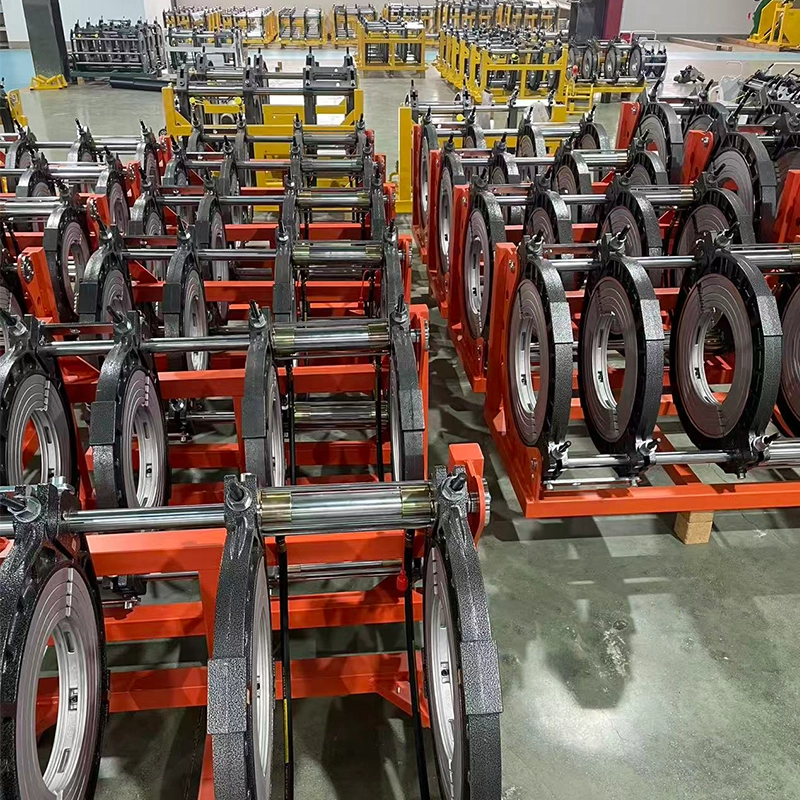
What Types of Butt Fusion Machines to Consider
The right machine depends on pipe diameter, project scale, and operator skill level. Typical categories:
- Manual/Portable machines – ideal for small-diameter pipes and remote repairs; lightweight and cost-effective.
- Hydraulic machines – offer higher clamping force for medium to large diameters in pipeline construction.
- Automatic/CNC machines – provide precise control, welding records, and are suited to large projects or repeated production welding.
Quick Comparison Table
| Machine Type | Best For | Typical Pipe Range |
|---|---|---|
| Manual/Portable | Repairs, small projects | 20mm–630mm |
| Hydraulic | Construction sites, larger pipes | 63mm–2000mm+ |
| Automatic/CNC | High-volume, precision welding | 63mm–1600mm+ |
How to Vet a Supplier
When evaluating vendors—local or international—focus on these criteria:
- Proven field references in water, gas, or mining projects in Southern Africa.
- Availability of spare parts and technical service within Zimbabwe or nearby countries.
- Warranty terms, calibration services, and operator training options.
- Documentation: welding procedures, ISO/CE certificates, and maintenance manuals.
Negotiation & Warranty Tips
Get clear terms for lead time, delivery Incoterms, spare part delivery times, and onsite commissioning. For imported units, ask about local partners who can perform warranty repairs to avoid long downtime.
Shipping, Customs & Local Regulations
Plan for import procedures—classify equipment correctly and budget for import duties, VAT, and handling at ports. For public projects, confirm that machines meet procurement specifications and that suppliers can provide compliant certificates.
Budget Guidelines & Typical Price Bands
Price varies by type and capacity. These approximate bands help with planning (USD):
- Manual/Portable: $1,000–$6,000
- Hydraulic: $6,000–$40,000
- Automatic/CNC: $30,000–$150,000+
Factor in freight, customs, installation, and operator training when calculating the total project cost.
After-Sales Support & Training
Reliable service is crucial in Zimbabwe where downtime can be costly. Ask suppliers about:
- Local technicians or regional partners for fast support.
- Operator and maintenance training packages.
- Spare parts lead times and recommended spare kits for fieldwork.
Supplier Spotlight
JQ-Fusion offers a broad range of HDPE butt fusion solutions—from manual and hydraulic units to CNC automatic machines—suitable for water supply, gas, and mining pipeline projects. Visit their website to view product lines, certifications, and inventory availability: https://jq-fusionwelding.com/
Final Checklist Before Purchase
Before placing an order, confirm the following:
- Correct machine capacity for your pipe diameters and wall thickness.
- Availability of training and local after-sales support.
- Complete documentation and welding procedure specifications.
- Clear lead time, shipping terms, and warranty coverage.
Next Steps
Compile your project requirements—pipe sizes, expected welding volume, and site conditions—then request quotes and references from shortlisted suppliers. Comparing technical sheets, lead times, and support options will help you choose the most cost-effective and reliable butt fusion machine for Zimbabwe projects.



