
Finding a reliable HDPE pipe fusion machine supplier for projects in Turkmenistan requires a mix of product knowledge, logistical planning, and local project awareness. Whether you are working on water supply networks in Ashgabat, gas distribution near the Caspian coast, or irrigation systems in agricultural zones, choosing the right butt fusion partner will save time, reduce rework, and ensure pipeline longevity.
What to look for in a trusted HDPE fusion machine supplier
Proven product range — The supplier should offer a spectrum of machines from manual units for small jobs to hydraulic and CNC automatic butt fusion machines for large-diameter pipelines. Look for durable components, reliable clamping systems, and clear technical documentation.
Quality control & certifications — International standards compliance (ISO, CE, or equivalent) and clear material traceability are non-negotiable for infrastructure and gas projects in Turkmenistan. Certified weld logs and test records demonstrate manufacturing consistency.
After-sales support & training — On-site training for local crews, spare parts availability, and remote technical assistance reduce downtime for contractors working in remote regions like Balkan or Mary provinces.
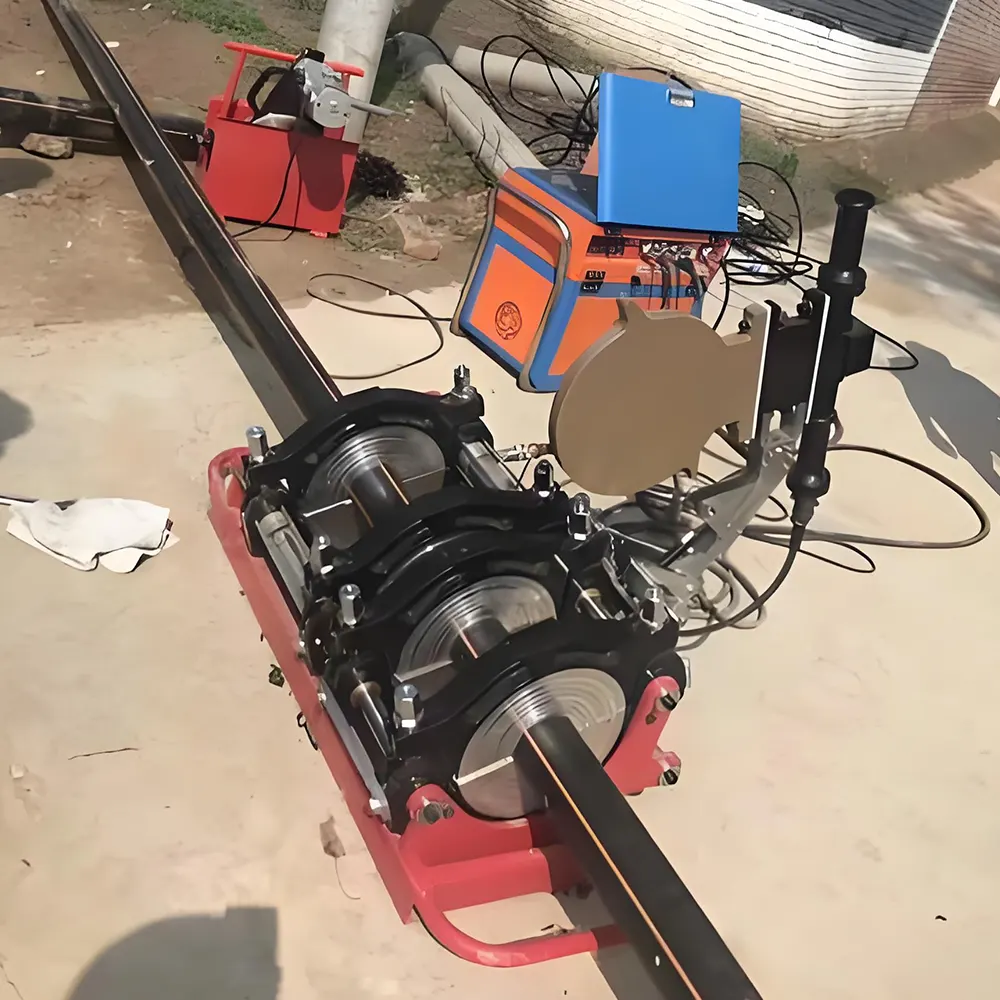
Types of fusion machines and when to use them
Manual/Portable machines — Ideal for repair work, small-diameter networks and field crews with limited transport access. Lightweight and cost-effective for rural irrigation and small water mains.
Hydraulic machines — Best for routine municipal and industrial pipelines where repeatable, higher-force clamping is needed. Suitable for medium to large pipe diameters used in gas and water trunk lines.
Automatic / CNC fusion machines — Recommended for large-diameter or high-volume projects where precision, programmable weld cycles, and data logging matter. Useful for major transmission lines and long-term gas distribution projects.
Quick comparison table — Pick by project in Turkmenistan
| Machine type | Typical diameter range | Best Turkmen applications |
|---|---|---|
| Manual / Portable | 20mm – 160mm | Small water mains, repairs, on‑farm irrigation |
| Hydraulic | 63mm – 1000mm | Municipal water, industrial pipelines, medium gas lines |
| Automatic / CNC | 90mm – 2500mm+ | Large transmission mains, long-distance trunk lines, high-volume projects |
Logistics & local considerations in Turkmenistan
Transport, customs clearance, and in-country delivery times matter. Choose a supplier experienced with international shipping and documentation for Central Asia. Consider machine packaging and protective crating for long haul to ports like Turkmenbashi and onward inland delivery. Verify spare parts lead times and whether the supplier can provide service technicians or local partner contacts for faster support.
Certifications, weld traceability & on-site training
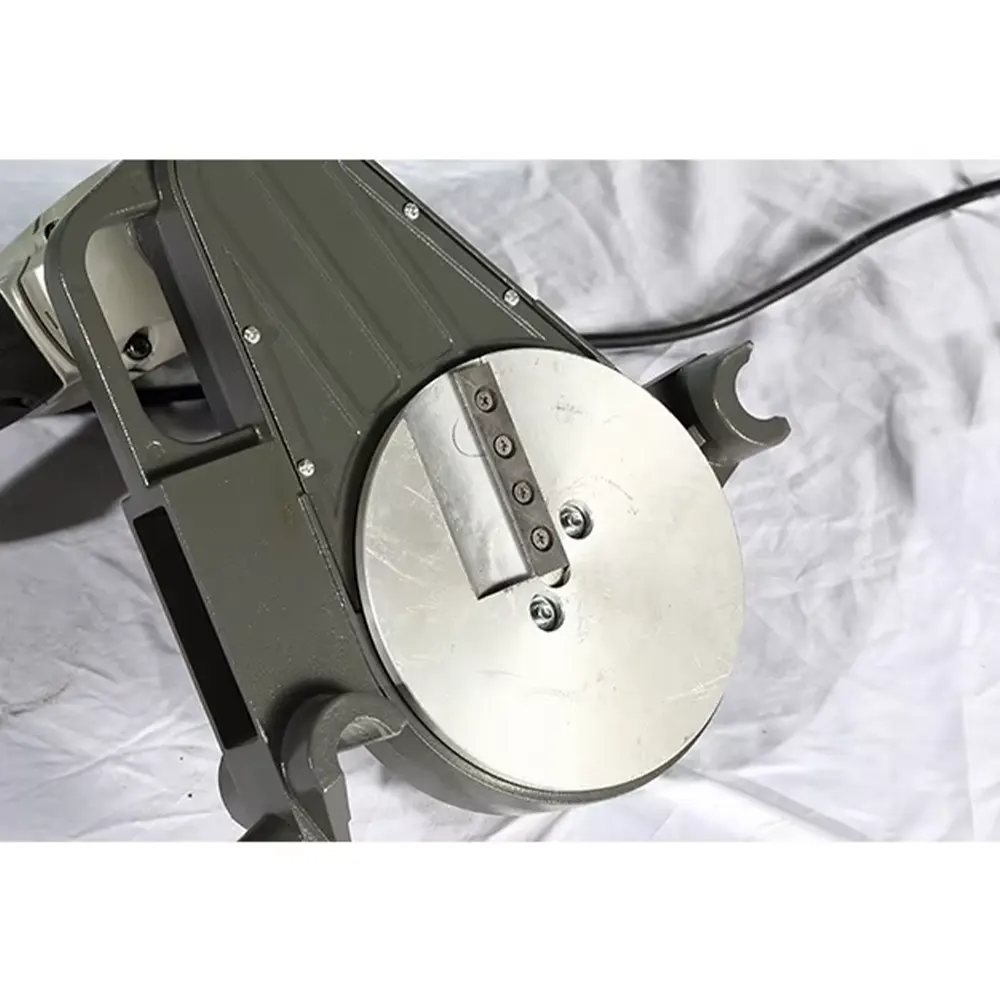
For gas and potable water systems, insist on weld data logging and certification. Suppliers offering training programs adapted to local languages and Turkmenistan’s field conditions will help crews deliver welds that meet project QA/QC standards. Short courses on machine calibration, heater plate maintenance, and destruction testing are highly valuable.
After-sales, spare parts & maintenance
Choose a supplier with a clear spare parts catalog and fast global dispatch options. Preventive maintenance schedules and simple field-replaceable parts reduce downtime across remote project sites in Karakum and Kopet Dag regions.
Why work with an experienced manufacturer
JQ-Fusion specializes in HDPE pipe welding machines ranging from manual to CNC automatic butt fusion equipment, with a focus on durability, accuracy, and project customization — features that align with Turkmenistan’s infrastructure needs, from urban water networks to industrial gas distribution.
Practical checklist before purchase
1. Confirm pipe material compatibility and diameter range.
2. Ask for sample weld records and certificates.
3. Clarify shipping, customs, and in-country delivery timelines.
4. Verify training options and spare parts support.
5. Request references from similar Central Asian projects.
Next steps for Turkmen contractors and project managers
Start by defining your typical pipe sizes, expected weld volume, and whether you need portable solutions or automatic systems. Reach out to the supplier with project details to get tailored recommendations, lead times and a clear service plan to support your works across Turkmenistan.



