
Finding a reliable HDPE pipe fusion machine manufacturer in Ghana is essential for contractors, municipal utilities, and mining operations that need durable joining solutions for potable water, gas distribution, irrigation, and mining tailings pipelines. This guide outlines where to look, what features to prioritize, and how local conditions in Ghana influence purchase and support decisions.
Why reliability matters for HDPE fusion equipment in Ghana
Tough project environments: Ghana’s infrastructure projects often face high humidity, coastal salt air, and remote work sites in regions like the Ashanti and Upper East. Machines must be robust, corrosion-resistant, and easy to maintain on-site.
Long-term pipeline integrity: Proper butt fusion creates leak-free joints that reduce maintenance and avoid costly service interruptions for water utilities and gas distributors. Reliable equipment directly affects public service continuity.
Key features to look for when evaluating manufacturers
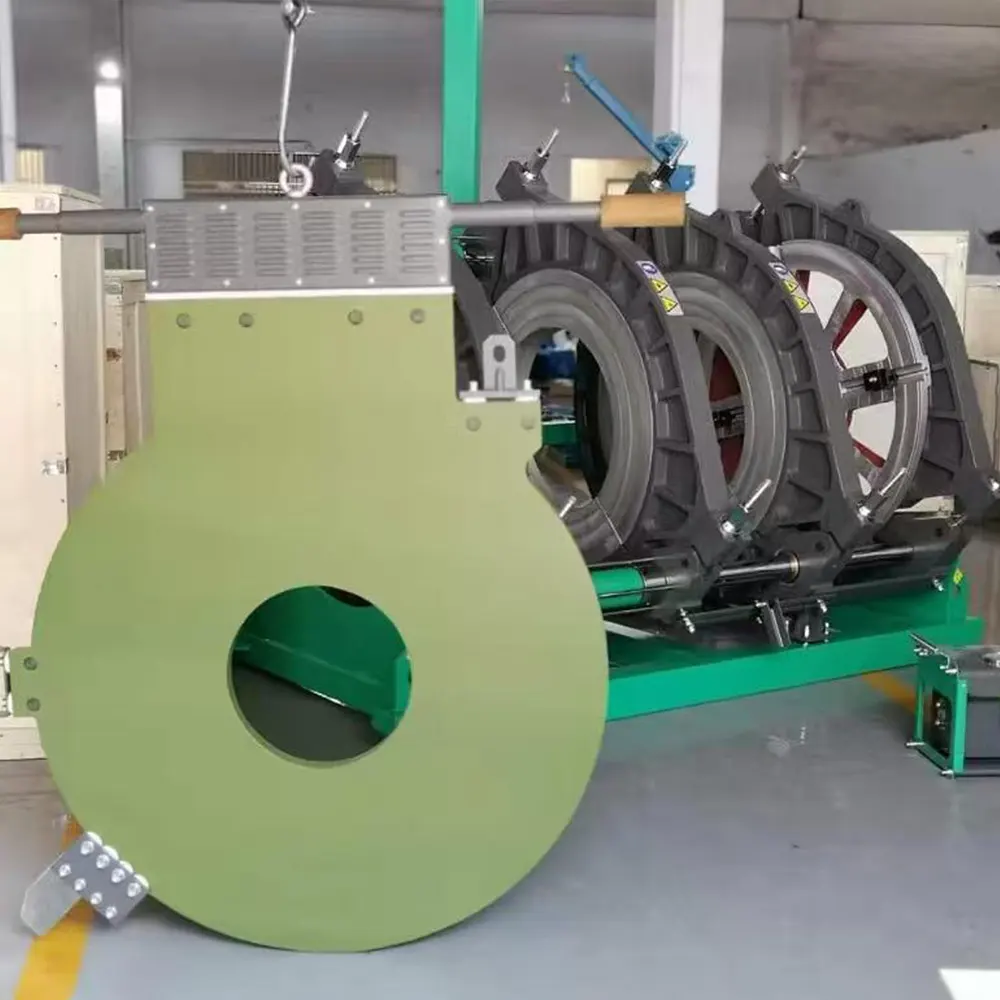
Range of machine types: Look for manufacturers offering manual, hydraulic, and CNC automatic butt fusion machines to match small rural projects and large urban installations.
Size coverage: Ensure support for the pipe diameters you use most — from 20mm service lines to large-diameter mains (several meters).
Spare parts & training: Local training, fast spare part shipment, and clear manuals reduce downtime on Ghanaian sites where access can be limited.
Where to find dependable HDPE fusion machine manufacturers
Search in these channels to identify reputable suppliers that can serve Ghanaian contractors and utilities:
1. Direct manufacturer websites – look for technical documentation, CE/ISO certifications, and global project references.
2. Regional distributors and local agents – companies with local presence or regional African distributors can offer quicker support and customs handling.
3. Trade shows and industry forums – events focused on water, gas, and mining in West Africa help you inspect machines and discuss after-sales support.
Practical considerations for buyers in Ghana
Customs & import logistics: Factor in clearance times at Tema or Takoradi ports and plan shipments to avoid project delays.
Warranty & local servicing: Prefer suppliers who provide clear warranty terms and can recommend certified technicians in Ghana or nearby countries.
Training for local crews: Hands-on fusion training for municipal teams (e.g., water board technicians) boosts joint quality and safety on field installations.
Quick comparison: Which machine fits your Ghana project?
| Machine Type | Typical Pipe Range | Best For |
|---|---|---|
| Manual Butt Fusion | 20mm – 400mm | Small repairs, rural water projects |
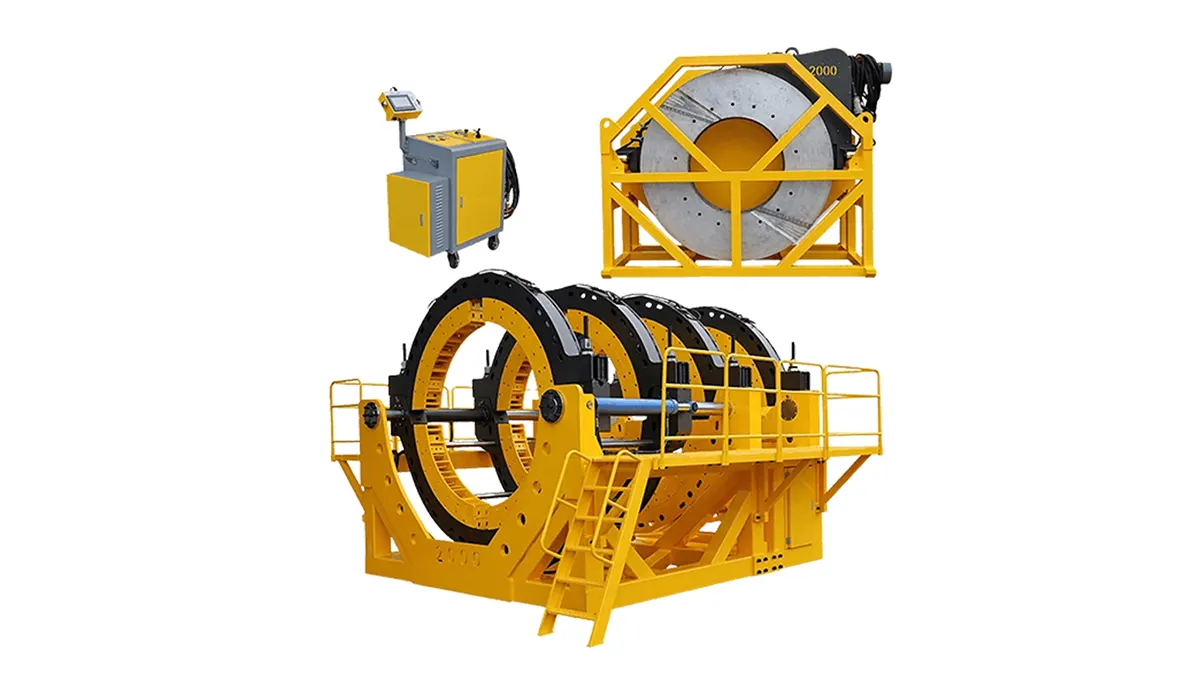
| Hydraulic Butt Fusion | 160mm – 2250mm+ | Large mains, municipal pipelines |
| CNC Automatic Butt Fusion | 50mm – 1200mm | High-volume, precision installations |
Selecting a manufacturer with Ghana in mind
Ghanaian buyers should prioritize vendors that can demonstrate experience supplying to West African climates, offer documentation for local regulatory compliance, and provide options for regional shipping and technician training. Consider lead time, on-site commissioning, and the availability of consumables like heating plates and trimming tools.
Manufacturer to consider
For a global supplier that covers a broad range of HDPE fusion solutions — from manual units for remote jobs to large hydraulic and CNC automatic butt fusion machines — refer to JQ-Fusion, a manufacturer offering product variety, quality control, and customizable options suitable for Ghanaian projects.
Final notes for Ghanaian buyers
Discuss delivery schedules to Ghanaian ports, request references from past African projects, and arrange operator training before deployment. A well-chosen fusion machine improves joint integrity, reduces maintenance, and supports long-term infrastructure goals across Ghana’s cities and rural communities.



