
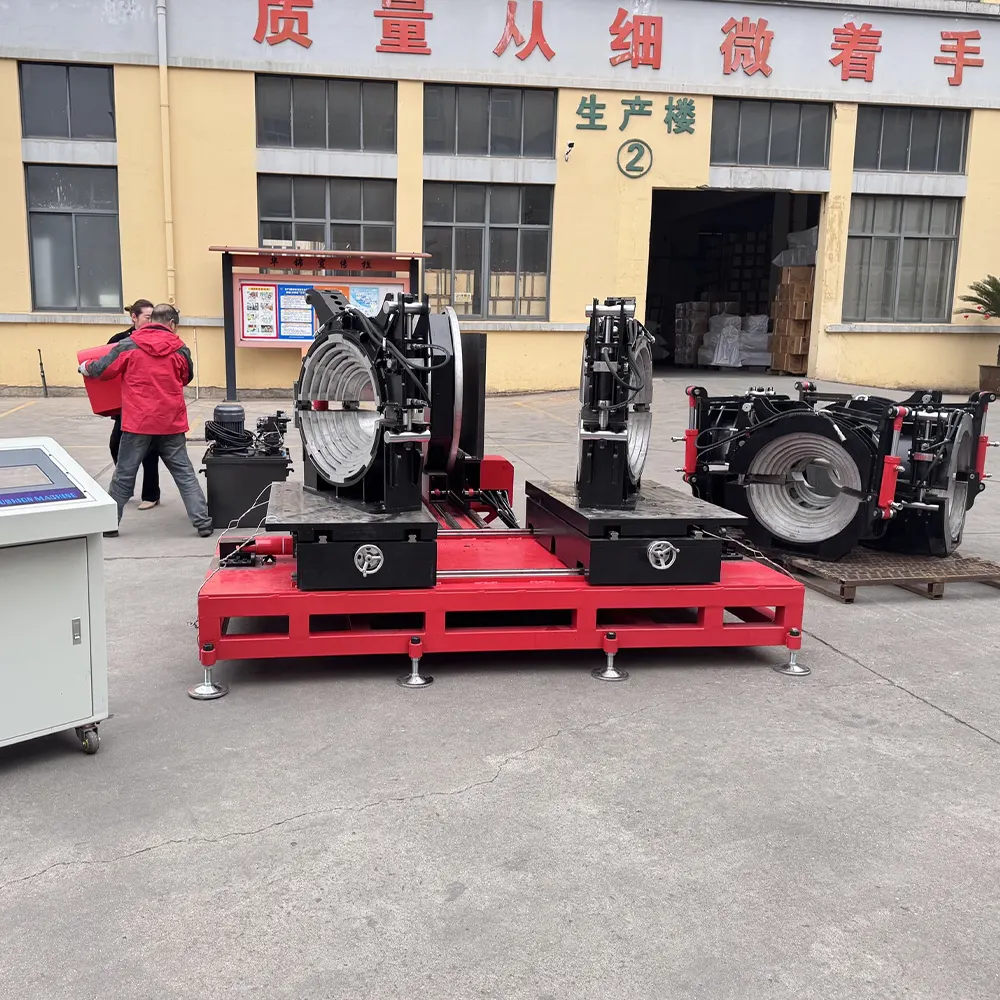
The answer to what should be on an HDPE welding tool kit checklist depends on one simple principle: every item in the kit must help you create a clean, accurate, and durable fusion joint. In HDPE pipe projects, the welding process is only as reliable as the tools, accessories, and preparation behind it. Whether you are working on a water supply line, gas distribution network, mining pipeline, or an industrial installation, a complete checklist reduces downtime, prevents weld defects, and improves site safety.
For contractors, distributors, and field technicians, an HDPE welding tool kit is not just a box of accessories. It is the foundation of consistent performance. A well-prepared kit supports proper pipe alignment, surface preparation, heating, clamping, pressing, cooling, and inspection. It also helps teams respond quickly when conditions change on-site. When the work environment is remote, the weather is unstable, or deadlines are tight, the right checklist can save an entire project.
Important: a good checklist should be practical, not overly complicated. The best HDPE welding tool kit is the one that helps operators work faster, safer, and more accurately while maintaining strict quality control. That is why experienced teams often organize their tools into clear categories: measurement, preparation, alignment, heating, handling, inspection, and safety.
1. Core Tools Every HDPE Welding Kit Should Include
The first section of any checklist should cover the basic tools required to complete a butt fusion operation. These are the essentials that directly affect the weld quality. Without them, even a high-performance fusion machine cannot deliver the expected result.
Pipe cutters or saws are needed to create a clean, square pipe end. Uneven cuts make alignment difficult and can cause poor fusion. A sharp cutting tool saves time and improves joint consistency.
Facing tools or facer units remove oxidation and create perfectly matched pipe ends. In butt fusion, this step is critical because dirty or uneven surfaces reduce joint strength. A reliable facer also helps operators maintain repeatable results across multiple welds.
Centering clamps and alignment devices keep the pipe ends positioned correctly. Misalignment can create stress points in the joint, especially in larger diameter pipelines. Alignment accuracy is one of the biggest factors in long-term performance.
Temperature control tools should also be included. Even if the machine already has a built-in controller, it is wise to keep an independent thermometer or temperature-checking accessory in the kit for verification. Temperature stability is one of the biggest contributors to weld reliability.
2. Surface Preparation Items That Protect Weld Quality
Before heating the pipe ends, the surface must be clean and ready. HDPE is sensitive to contamination, so a checklist should always include items that support proper preparation.
Lint-free wipes and clean cloths are essential for removing dust and debris. They should be stored in sealed packaging to avoid contamination before use. Never use dirty rags or materials that may leave residue on the pipe surface.
Isopropyl alcohol or approved cleaning agents can be helpful for final surface cleaning when permitted by project specifications. The goal is to remove grease, moisture, and fine particles without damaging the pipe.
Marking pens, measuring tapes, and rulers support accurate layout. Every fusion joint should be measured and marked carefully so the operator can maintain proper insertion depth and fusion geometry. On large projects, consistent marking also improves speed and reduces mistakes.
Checklist tip: keep surface-preparation tools separated from oily, dirty, or mechanical items. A clean tool layout prevents accidental contamination and makes field work more efficient.
3. Heating and Fusion Accessories That Improve Precision
The heating stage is where the joint begins to form. For this reason, the checklist should include accessories that help the operator manage time, temperature, and contact pressure accurately.
Heating plate covers or protective sheets can help keep the hot plate clean and reduce the risk of surface contamination. In many projects, maintaining a clean heating plate is essential for consistent fusion.
Heat-resistant gloves are a must. Operators need protection when handling warm components or working near the heating zone. Gloves should offer grip, flexibility, and a high level of heat resistance.
Stopwatch or timing devices help track heating and cooling stages. Fusion welding is highly timing-sensitive. Even small deviations can affect bead formation and final joint quality.
Pressure adjustment tools or machine-specific accessories may also be necessary, especially for hydraulic or manual systems. Correct pressure during fusion is crucial. Too little pressure can result in weak bonding; too much pressure can deform the pipe and damage the joint.
When selecting equipment, many professionals prefer solutions designed by experienced manufacturers such as JQ-Fusion, because stable performance and precise control are especially important in demanding field conditions.
4. Safety Equipment Must Never Be Missing
No HDPE welding tool kit checklist is complete without safety gear. The welding process involves heat, pressure, moving components, and heavy machinery. A proper safety setup protects both the operator and the project.
Safety goggles or face shields protect the eyes from debris, hot surfaces, and accidental splashes. Clear visibility is important, but protection should never be compromised.
Protective gloves should be chosen based on the task. For pipe handling, a strong grip is useful. For heating operations, heat resistance becomes more important. Many teams keep more than one type of glove in the kit.
Safety boots, helmets, and high-visibility clothing are especially important on busy job sites. These items reduce the risk of injury during handling, loading, and installation activities.
First-aid supplies should always be available nearby. A small kit with basic emergency materials is a smart addition for field crews working in remote or industrial areas.
Safety note: a professional welding kit should support not only weld quality but also operator well-being. Strong projects are built on safe habits.
5. Inspection and Verification Tools for Quality Control
Once the weld is completed, inspection tools help confirm whether the joint meets quality standards. A checklist should therefore include items that support visual inspection, measurement, and documentation.
Flashlight or inspection lamp is useful for checking joint edges, bead uniformity, and working conditions in dim environments. Good lighting improves accuracy and reduces overlooked defects.
Measuring calipers or gauges can help verify bead size and alignment. These tools are especially valuable on projects with strict acceptance criteria.
Logbook or inspection sheet should also be included. Recording temperature, pressure, time, operator name, and pipe specifications creates a traceable welding record. This is important for project management and quality assurance.
Camera or mobile device may be needed for documentation if the site requires photo evidence of weld stages, machine setup, or final inspection.
6. Spare Parts and Maintenance Items for Field Readiness
Projects can be delayed by small mechanical issues if spare parts are not available. That is why a practical checklist should always include maintenance and replacement items.
Extra blades, bolts, pins, and fasteners are often necessary, especially on long-duration jobs. These small parts may seem minor, but they can stop operations if lost or damaged.
Lubricants and cleaning brushes help maintain moving parts and keep the machine operating smoothly. Regular maintenance extends service life and protects against avoidable breakdowns.
Power cables, connectors, and adapters should be checked before every job. Electrical issues are a common source of downtime, especially when projects move between sites or regions with different voltage requirements.
Tool storage cases or rugged containers are also important. A well-organized case keeps accessories protected, reduces loss, and speeds up setup at the job site.
7. How a Complete Checklist Supports Better Welding Results
A complete HDPE welding tool kit checklist does more than organize tools. It improves the entire welding workflow. When every item is prepared in advance, the team can focus on precision instead of searching for missing accessories.
Here are the biggest benefits of a complete checklist:
Better joint consistency because the same preparation and inspection steps are repeated every time.
Fewer delays because operators do not stop work to find missing tools or parts.
Improved safety because the right protective equipment is always available.
Longer machine life because maintenance items are used before problems become serious.
Stronger project documentation because inspection records are completed properly.
Practical insight: the most efficient field teams do not treat the checklist as a formality. They treat it as part of the welding standard itself.
8. Choosing Equipment That Matches Real Project Needs
Different projects require different levels of tool complexity. Small repair tasks may only need a compact, manual setup, while large infrastructure projects often demand hydraulic or CNC automatic equipment. That is why the checklist should always be matched to the machine type and application.
If your work involves frequent site relocation, portability becomes more important. If your project involves large pipe diameters, clamp strength, pressure stability, and alignment accuracy become more important. For high-volume operations, speed, durability, and repeatability matter most.
Manufacturers with broad product ranges, such as butt fusion machine specialists, often provide more flexible support for different welding scenarios. This is useful for contractors who need equipment that can adapt to multiple pipeline requirements.
For global users, reliability also matters. JQ-Fusion, for example, focuses on stable performance, strict quality control, customization, and technical support. These qualities help teams build tool kits that match practical job-site conditions rather than relying on generic solutions.
9. Sample HDPE Welding Tool Kit Checklist
The following checklist can be used as a practical starting point for most butt fusion welding jobs:
Pipe cutting tool
Facing tool or facer
Alignment clamps
Measuring tape and marker
Lint-free wipes
Approved cleaning agent
Temperature-checking accessory
Stopwatch or timer
Heat-resistant gloves
Safety goggles or face shield
Safety boots and helmet
Inspection gauge or caliper
Documentation logbook
Spare fasteners and blades
Lubricants and cleaning brushes
Tool storage case
Conclusion
An effective HDPE welding tool kit checklist should be built around one goal: producing safe, consistent, and high-quality fusion joints. The best kits include not only the basic cutting and alignment tools, but also safety equipment, inspection tools, cleaning materials, and maintenance items. By preparing carefully, crews can reduce downtime, improve weld quality, and handle real-world project challenges more confidently.
For companies, distributors, and contractors, the checklist is also a sign of professionalism. It shows that the team values precision, safety, and long-term performance. Whether the job is a small repair or a large pipeline installation, a complete toolkit helps ensure the final weld is ready for service.
Frequently Asked Questions
Q1: What is the most important item in an HDPE welding tool kit?
There is no single item that matters most, but alignment tools, surface-preparation tools, and temperature control accessories are critical because they directly affect weld quality.
Q2: Can the same checklist be used for all pipe sizes?
The general checklist can be similar, but the specific tools and machine accessories should match the pipe diameter, project type, and welding standard.
Q3: Why is cleaning so important before HDPE fusion?
HDPE joints are highly sensitive to contamination. Dust, oil, moisture, and oxidation can weaken the weld and reduce long-term reliability.
Q4: Should safety gear be listed on the welding checklist?
Yes. Safety equipment should always be included because welding involves heat, pressure, moving parts, and site hazards.
Q5: How often should the checklist be reviewed?
It should be reviewed before every project and updated whenever the machine type, pipe size, site conditions, or welding standards change.



