
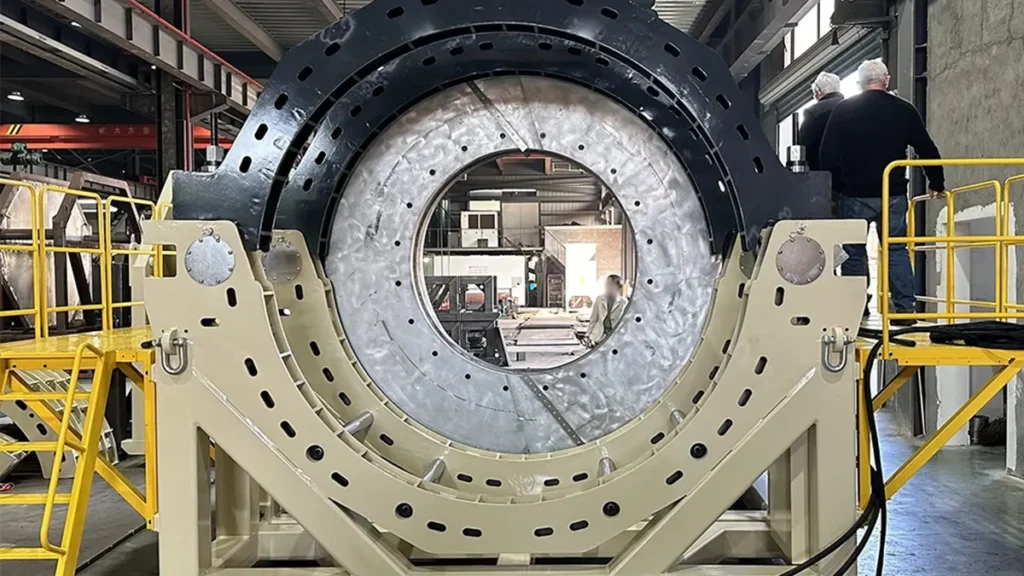
Maintaining an HDPE welding machine is not just a routine task; it is a direct investment in weld quality, project safety, and equipment lifespan. In pipe installation environments where downtime can delay entire schedules, a well-maintained machine helps ensure stable heating performance, accurate alignment, and consistent fusion results. Whether the machine is used on water supply systems, gas distribution networks, mining sites, or industrial pipeline projects, the maintenance schedule should be planned carefully and followed consistently.
For contractors and distributors who rely on reliable fusion equipment, the maintenance schedule should be based on actual usage, environmental conditions, and machine type. A manual machine used occasionally on small projects may need less frequent deep servicing than a hydraulic or CNC unit operating daily in demanding field conditions. However, all machines benefit from a structured schedule that includes daily checks, weekly cleaning, monthly inspection, and periodic calibration. This approach reduces unexpected failures and keeps welding output stable over time.
In many cases, a professional-grade butt fusion machine can only deliver reliable performance if operators follow the manufacturer’s maintenance recommendations. That means checking electrical systems, heating plates, hydraulic pressure, clamp alignment, and temperature accuracy at the right intervals. Even minor neglect can lead to weak joints, overheating, or inconsistent fusion faces, which is why maintenance should never be treated as an afterthought.
Why a Maintenance Schedule Matters
HDPE welding works by carefully controlling heat, pressure, and alignment. If any of these elements drift out of specification, the quality of the fused joint may decline. A maintenance schedule helps keep the machine in optimal condition so it can consistently produce strong, uniform welds. It also supports safer operation, since damaged cables, loose hydraulic fittings, or worn moving parts can create hazards for the operator.
★ Key point: maintenance is not only about preventing breakdowns. It also protects weld quality, reduces material waste, and improves project efficiency.
For companies managing large pipeline projects, scheduled maintenance also makes cost planning easier. Instead of reacting to sudden failures, teams can prepare spare parts, plan service windows, and avoid unnecessary downtime. This is especially important for projects with tight deadlines or remote job sites where repair support may take longer to reach the equipment.
Daily Maintenance Tasks
Daily checks are the foundation of any effective maintenance plan. Before starting work, operators should inspect the overall condition of the machine and confirm that no visible damage exists on the frame, heating plate, electrical connections, cables, or hydraulic lines. The machine should be positioned on a stable surface, and all clamps should move smoothly without unusual resistance.
Temperature control should also be verified each day. If the heating plate is not reaching the correct temperature or is fluctuating too much, the operator should stop using the machine until the issue is identified. An inaccurate heating plate can create weak fusion joints even when all other steps are performed correctly.
After each workday, the machine should be cleaned carefully. Remove dust, plastic residue, and dirt from the heating plate, clamps, and guide rails. Keep the machine dry, especially in humid or rainy environments. Moisture can accelerate corrosion and affect electrical components over time.
★ Daily checklist: inspect cables, clean heating surfaces, check clamp movement, confirm temperature accuracy, and store the machine in a dry location.
Weekly Maintenance Tasks
Weekly maintenance should go beyond surface cleaning and focus on parts that experience repeated movement or friction. Inspect the hydraulic system for leaks, loose connectors, and pressure irregularities. If oil levels are below the recommended range, top up with the correct hydraulic fluid according to the machine specification. Dirty or contaminated hydraulic oil should be replaced promptly because it can damage internal components and reduce pressure stability.
Check the alignment of the clamps and the smoothness of the slide system. If the pipe ends are not held in the correct position, the fusion joint may be uneven. Minor misalignment may be corrected through adjustment, but any severe wear should be handled by a qualified technician. Lubrication of moving parts should also be carried out where applicable, using only approved lubricants.
Weekly inspections are also a good time to test emergency stops, control switches, and indicator lights. These features may seem minor, but they play an important role in safe operation. A machine that cannot be stopped quickly in an emergency is not ready for field use.
⚙️ Weekly focus: hydraulic stability, clamp alignment, lubrication, and safety function testing.
Monthly Maintenance Tasks
Monthly maintenance is the right time for deeper technical inspection. The heating plate should be examined for wear, scratches, carbon buildup, and uneven heat distribution. If the coating is damaged, it may affect thermal transfer and create inconsistent heating across the pipe ends. In such cases, the heating plate may need professional servicing or replacement.
Electrical systems should also be checked monthly. Look for loose wiring, damaged insulation, and signs of overheating around switches, sockets, and control panels. Machines working in harsh environments may need more frequent electrical checks because dust and vibration can increase the risk of failure. Cleaning the control panel and ensuring all display readings are accurate will help operators detect early problems before they become serious.
The hydraulic system should be reviewed more thoroughly at this stage as well. Pressure readings, seals, hoses, and piston movement should all be assessed. If the machine uses a digital control system, confirm that sensor readings and output values remain stable during operation. Small changes in pressure or temperature display may indicate a need for recalibration.
For teams managing multiple machines, monthly maintenance records are especially valuable. A logbook helps track repeated issues, replacement intervals, and service history, making future maintenance more efficient and predictable.
Quarterly and Semi-Annual Servicing
Every three to six months, depending on workload, the machine should receive more comprehensive servicing. This includes a full inspection of mechanical wear points, verification of alignment accuracy, and a detailed review of the electrical and hydraulic systems. Machines that operate in high-frequency production settings may need this kind of servicing more often.
At this stage, calibration becomes a priority. Temperature calibration, pressure calibration, and alignment calibration should be confirmed using appropriate tools and procedures. If a machine’s readings are inaccurate, the operator may believe the equipment is functioning normally while the actual welding parameters are drifting out of range.
Major service intervals are also the best time to replace consumable or wear-prone parts before they fail. These may include seals, hoses, connectors, heating plate components, or other items that the manufacturer identifies as maintenance parts. Preventive replacement is often more cost-effective than emergency repair, especially for contractors working under deadline pressure.
🔧 Professional tip: schedule major servicing during low-activity periods so the machine can be fully inspected without disrupting production.
How Operating Conditions Affect Maintenance Frequency
The ideal schedule depends heavily on how and where the machine is used. In hot, dusty, or humid environments, cleaning and inspection should happen more often because contaminants can damage both electrical and mechanical components. On remote job sites, machines may also be exposed to vibration during transport, which can loosen fittings and affect alignment.
High-volume projects create another challenge. A machine used continuously throughout the day will naturally experience more wear than one used only occasionally. In these conditions, operators should shorten the interval between checks and pay closer attention to hydraulic pressure stability, clamp performance, and heating accuracy.
Conversely, machines stored for long periods should still be checked periodically. Idle equipment can develop corrosion, seal deterioration, or battery-related issues in control systems. A machine that appears unused may still need inspection before it returns to service.
For more information on durable and configurable HDPE welding solutions, manufacturers like JQ-Fusion highlight the value of stable performance, quality testing, and technical support in demanding project environments. Their experience with different machine types also shows why maintenance planning should match the equipment’s application and workload.
Best Practices for Extending Machine Life
Good maintenance is more effective when combined with good operating habits. Operators should be trained to follow the correct welding procedure, avoid forcing components, and use the machine only within its designed specifications. Incorrect use can place unnecessary stress on the clamps, heating plate, and hydraulic system, shortening the machine’s service life.
Storage is another critical factor. Keep the machine in a clean, dry space away from direct rain, excessive heat, and corrosive chemicals. If the machine must be transported frequently, protect it from impact and secure all movable parts to prevent damage during transit.
Using genuine replacement parts is strongly recommended. Non-standard components may appear cheaper at first, but they can reduce accuracy and reliability. In precision welding equipment, even small deviations can affect overall performance. For this reason, sourcing parts from trusted suppliers and following the manufacturer’s specification is a smart long-term strategy.
⭐ Best practice: combine trained operation, proper storage, scheduled servicing, and genuine parts to maximize equipment lifespan.
A Practical Maintenance Schedule at a Glance
Daily: inspect visible components, clean the machine, verify temperature, and store it properly.
Weekly: check hydraulic oil, confirm clamp alignment, test safety functions, and lubricate moving parts.
Monthly: examine heating plate condition, electrical wiring, control panel performance, and pressure stability.
Quarterly or semi-annually: perform calibration, inspect wear parts, and complete full technical servicing.
This structure can be adjusted based on usage intensity. The more demanding the job site, the shorter the interval between checks should be. The goal is always the same: maintain precision, prevent failure, and protect welding quality.
Conclusion
A recommended maintenance schedule for an HDPE welding machine should include daily cleaning and inspection, weekly technical checks, monthly system review, and periodic professional servicing. When followed consistently, this schedule supports safer operation, more accurate welding, and longer equipment life. It also helps contractors avoid costly downtime and maintain better project control.
In practical terms, the best schedule is one that reflects the machine’s workload and operating environment. A well-maintained machine is more than reliable equipment; it is a key part of delivering strong, durable, and repeatable fusion joints in every project.
FAQ
Q1: How often should an HDPE welding machine be checked?
Daily visual checks are recommended, with weekly and monthly inspections for deeper maintenance.
Q2: What is the most important daily maintenance task?
Cleaning the heating plate and checking temperature accuracy are among the most important daily tasks.
Q3: Do hydraulic butt fusion machines need more maintenance than manual machines?
Usually yes, because hydraulic and automatic systems have more components that require inspection and calibration.
Q4: Can maintenance intervals change depending on the job site?
Yes. Dusty, humid, or high-usage environments often require more frequent checks.
Q5: Why is calibration important?
Calibration ensures that temperature and pressure remain accurate, which is essential for producing strong fusion joints.



