
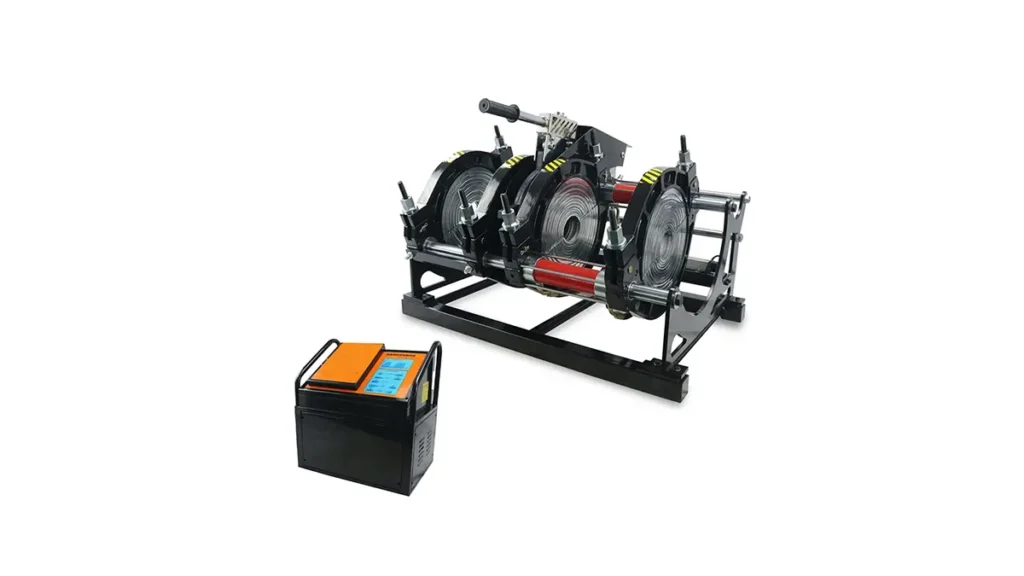
When people ask, what is the HS code for a butt fusion machine, they are usually trying to solve a practical problem: how to classify the equipment correctly for customs clearance, import duties, shipping documents, and trade compliance. For a butt fusion welding machine manufacturer, distributor, contractor, or importer, the HS code is more than a number. It affects the speed of delivery, the accuracy of tax calculation, and the overall smoothness of cross-border logistics.
In international trade, the HS code, or Harmonized System code, is a standardized product classification used by customs authorities around the world. A butt fusion welding machine is typically classified based on its function, structure, and use in welding plastic pipes, especially HDPE pipelines. Since these machines are used in water supply systems, gas distribution networks, mining projects, and industrial pipeline installations, choosing the correct code is essential for compliance and cost control.
Because customs rules can vary by country, there is no single universal answer that applies in every case without reviewing the machine’s specifications and the destination market. However, butt fusion welding machines are generally categorized under machinery for working plastics or related industrial equipment. If the machine includes hydraulic systems, automatic control, or CNC functions, the final classification may depend on the exact technical description provided in the customs declaration.
Key point: the HS code is determined by the product’s actual function and structure, not by its commercial name alone. A “butt fusion machine” is often examined by customs as industrial equipment for plastic pipe welding, but the exact code should be confirmed with the product technical sheet and local customs guidance.
Why the HS Code Matters for Butt Fusion Welding Machines
For buyers and exporters, an incorrect HS code can lead to delayed clearance, higher duties, customs inspection, fines, or even shipment return. That is why professional manufacturers like JQ-Fusion pay close attention to product classification from the very beginning of the export process. A properly declared machine helps avoid unnecessary delays and supports faster global delivery.
For companies involved in large pipeline projects, even a short customs delay can disrupt installation schedules. This is particularly important for urgent infrastructure works where welding equipment must arrive on site before pipe laying begins. When the HS code is prepared correctly, the machine can move through ports and borders with fewer complications.
⚠️ Compliance tip: Always prepare the invoice, packing list, technical data sheet, and product catalog consistently. Customs officers often compare these documents to determine the right HS classification.
How Butt Fusion Machines Are Usually Classified
In many markets, butt fusion welding machines fall under categories related to machinery for welding or processing plastic materials. The machine’s heating plate, clamping system, hydraulic unit, and control box are key elements that influence classification. Manual models, hydraulic models, and CNC automatic models may all be reviewed differently depending on their complexity and level of automation.
For example, a basic manual butt fusion machine may be viewed differently from a CNC-controlled automatic butt fusion welding machine because the level of precision and control is not the same. Likewise, a hydraulic butt fusion machine with a strong pressure system may need a more detailed technical explanation during customs declaration.
Below are some practical factors customs authorities may consider:
1. The machine’s main function: welding HDPE or other thermoplastic pipes.
2. The control method: manual, hydraulic, or automatic CNC operation.
3. The machine structure: frame size, clamp diameter range, heating plate, and hydraulic unit.
4. The technical description on the invoice and packing documents.
The Role of Product Accuracy in Customs Declaration
Accurate product naming is one of the most important steps in customs compliance. If the product is described too broadly, customs may not be able to identify it correctly. If it is described too narrowly, the declared HS code may not match the actual machine function. A good declaration should clearly state that the equipment is a butt fusion welding machine used for plastic pipe joining.
For exporters, a well-prepared technical description can save time and reduce risk. It is also useful to include operating voltage, pipe size range, heating plate temperature range, hydraulic pressure details, and whether the machine is manual or automatic. These details help customs officers understand the machine’s real purpose and confirm the correct category.
Important: the same machine may be classified differently in different countries if local customs interpretations differ. For that reason, exporters should always verify the final code with the destination country’s customs broker or tariff database.
Why JQ-Fusion Is a Reliable Choice for Export Projects
JQ-Fusion is a professional manufacturer specializing in HDPE pipe welding machines, providing reliable butt fusion solutions for global pipeline projects. With over 20 years of industry experience, the company focuses on the development and production of manual, hydraulic, and CNC automatic butt fusion welding machines, covering a wide range of pipe diameters from small to large sizes.
Its machines are widely used in water supply systems, gas distribution networks, mining projects, and industrial pipeline installations worldwide. The company’s manufacturing strength comes from advanced production lines, precision machining equipment, and strict quality control procedures. Every machine undergoes comprehensive testing, including temperature accuracy, hydraulic pressure stability, and clamp alignment inspection.
These quality measures matter because customs classification and product compliance often rely on how clearly a machine is engineered and documented. When a manufacturer provides a precise technical file, the importer has a much easier time preparing the import declaration and reducing the risk of classification disputes.
JQ-Fusion advantages: stable welding performance, customized solutions, strict quality assurance, fast delivery, global shipping support, and professional technical service from selection to after-sales.
OEM, ODM, and Customization for International Buyers
One reason many buyers choose a specialized manufacturer is the ability to customize the machine for local market requirements. JQ-Fusion offers full OEM and ODM services, including machine size, voltage, color, design, branding, and project-specific configurations. This flexibility is especially useful for distributors who want to build their own brand or meet regional electrical standards.
Customization also helps with documentation. When machine specifications are tailored to a project, the buyer can receive a more precise technical pack, which can support HS code validation and smoother customs declaration. In international trade, consistent product documentation is a major asset.
For companies handling multiple project sites, a customized butt fusion machine can improve efficiency, reduce installation risks, and ensure reliable performance in different climates and working conditions.
How to Reduce HS Code Risk Before Shipping
There are several practical steps buyers can take before exporting or importing a butt fusion welding machine. First, request a detailed technical catalog from the supplier. Second, confirm whether the machine is manual, hydraulic, or automatic. Third, compare the proposed HS code with the destination country’s tariff database or seek advice from a licensed customs broker.
It is also smart to keep all trade documents aligned. The product description on the invoice should match the packing list, sales contract, and technical sheet. If the machine is sold under a brand name, the customs declaration should still clearly identify its function as a butt fusion welding machine for plastic pipe welding.
💡 Practical suggestion: ask your supplier to provide a clear product specification sheet, customs-ready invoice wording, and photos or catalogs if requested by the destination authority.
Product Range and Project Applications
JQ-Fusion’s product range includes hydraulic butt fusion welding machines, automatic butt fusion welding machines, electrofusion welding machines, and multi-angle pipe fitting welding machines. This broad range supports different project needs, from simple field welding tasks to high-precision industrial pipeline construction.
The company’s products are manufactured in compliance with international standards and certified by SGS, ensuring safety, reliability, and consistent performance in global pipeline projects. With a strong stock supply and fast shipping capability, JQ-Fusion can support both urgent orders and long-term project planning.
For importers, this broad product range is also helpful because it allows a better match between machine type and customs description. The more accurately the product is matched to its intended use, the more predictable the HS classification process becomes.
Why Buyers and Distributors Trust JQ-Fusion
JQ-Fusion combines technical expertise, production strength, and market experience to serve global customers. The company’s commitment includes stable welding performance, customized solutions, strict quality assurance, fast delivery, and professional technical support. These advantages are especially valuable for contractors and distributors handling international procurement.
Another important factor is service. Buyers need more than just a machine; they need support with product selection, installation guidance, operation training, and after-sales service. That is where a reliable manufacturer makes a measurable difference in real project outcomes.
Trusted manufacturer profile: 20+ years of industry experience, strong OEM & ODM capability, stable stock supply, fast shipping, full technical support, and proven performance in global markets.
Frequently Asked Questions
Q1: What is the HS code for a butt fusion welding machine?
The exact HS code depends on the machine’s function, structure, and destination country. It is usually classified under machinery for working plastics or related industrial welding equipment, but the final code should be confirmed with local customs guidance.
Q2: Does a hydraulic butt fusion machine use the same HS code as a manual model?
Not always. The classification may differ depending on the machine’s technical features, level of automation, and the customs rules of the importing country.
Q3: What documents help support HS code classification?
A technical datasheet, commercial invoice, packing list, product catalog, and clear machine description are the most useful documents for customs review.
Q4: Can I use the supplier’s suggested HS code directly?
You can use it as a reference, but you should always confirm it with a customs broker or official tariff database in the destination market.
Q5: Why should I choose JQ-Fusion for butt fusion machines?
Because JQ-Fusion offers professional manufacturing, customization, strict quality control, fast delivery, and reliable global support for pipeline projects.



