
Choosing the best polyethylene (HDPE) welding machine in Guatemala means balancing reliability, portability, and service support for projects ranging from municipal water lines to agricultural irrigation and mining. This guide helps engineers, contractors, and procurement managers in Guatemala identify the equipment features, machine types, and local buying considerations that deliver consistent butt fusion performance.
Why HDPE Welding Machines Matter in Guatemala
Guatemala’s infrastructure growth includes expanding potable water systems, rural irrigation for coffee and fruit farms, and gas distribution in urban areas. HDPE piping is favored for corrosion resistance and long service life, but proper butt fusion welding is critical to system integrity — especially in mountainous or remote job sites where conditions can be humid, dusty, and logistically challenging.
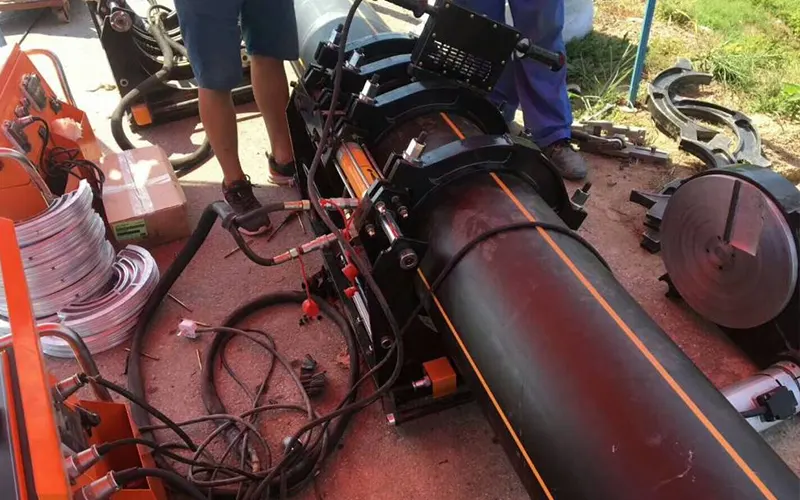
Top Features to Look For
- Build quality and materials: corrosion-resistant components and sealed controls for humid climates.
- Portability: lightweight manual or trailer-mounted hydraulic units for rural access roads.
- Control precision: digital temperature and pressure control for repeatable welds on potable water networks.
- Range of pipe sizes: choose a machine that covers the diameter range you use most (from small service lines to large-diameter mains).
- After-sales support and spare parts: critical when working in remote municipalities or on long-term contracts.
Machine Types and When to Use Them
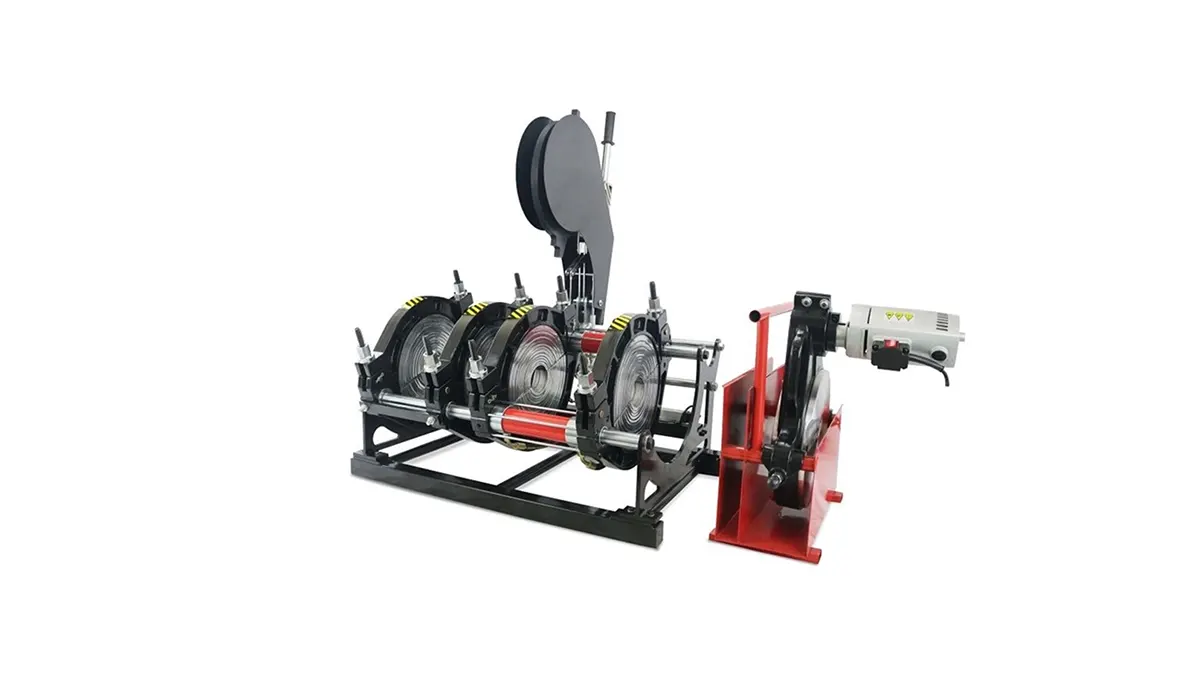
Manual butt fusion machines are cost-effective for small crews and service repairs. Hydraulic units offer higher clamping force and durability for medium-to-large pipelines. Automatic/CNC machines provide precision and speed for contractors working on high-volume or certified municipal projects.
Quick Comparison Table
| Machine Type | Best For | Diameter Range | Key Benefit |
|---|---|---|---|
| Manual | Small repairs, rural service crews | 20mm–400mm | Lightweight and low cost |
| Hydraulic | Municipal and commercial projects | 63mm–2250mm | Robust clamping and consistent pressure |
| Automatic / CNC | Large contractors, certified installations | 160mm–1600mm+ | High precision and repeatability |
Practical Tips for Buying in Guatemala
When sourcing machines locally or importing them into Guatemala, consider logistical and regulatory issues: customs clearance timelines for heavy equipment, availability of local technicians for service, and compatibility with local power supplies. For rural water boards and agricultural co-ops, training and easy-to-source consumables (heating elements, cutters, scrapers) reduce downtime.
How to Verify Supplier Reliability
Ask for documented welding procedure qualifications, sample weld records, and references from similar projects in Central America. Warranty terms, spare parts lead times, and remote technical support (phone or video) are often the difference between a short-term purchase and a long-term partnership.
Next Steps for Guatemala Contractors and Engineers
Assess your typical pipe diameters and project environments first. For ongoing municipal work or larger commercial contracts, prioritize hydraulic or automatic butt fusion machines with digital controls. For smaller maintenance teams, a well-built manual unit with easy serviceability may be more cost-effective. For a trusted range of HDPE butt fusion solutions and factory support information, visit https://jq-fusionwelding.com/.



