
In pipeline construction, welding quality is not only a matter of productivity; it is a matter of public safety, long-term reliability, and project reputation. A well-designed training program helps welders master equipment handling, understand material behavior, and reduce the risks that can lead to leaks, rework, and costly downtime. For contractors, distributors, and project managers, the question is not whether training matters, but how to build the best pipeline welding workforce training guide for improving skills and safety in a practical, scalable way.
Modern pipe joining projects demand more than basic operator knowledge. Teams must understand fusion procedures, machine calibration, environmental conditions, inspection standards, and emergency response. This is especially true in water supply systems, gas distribution networks, mining pipelines, and industrial installations where the consequences of poor workmanship can be severe. A strong training guide creates a shared standard, helping every worker perform with confidence, consistency, and accountability.
Why Pipeline Welding Training Must Be Built Around Safety and Skill Development
Pipeline welding is a discipline where small mistakes can become major failures. Improper heating, poor alignment, contamination, or inadequate cooling time can weaken a joint and threaten the integrity of the entire line. That is why training should never focus only on speed or production output. It must balance technical skill, safety awareness, and quality control from the beginning.
Good training improves more than weld quality. It also reduces workplace injuries, equipment damage, and operational delays. Workers who understand safe machine setup, correct handling procedures, and inspection routines are less likely to make dangerous errors. When safety and skill are taught together, the result is a more disciplined workforce that supports better project outcomes.
Key point: the most effective training programs do not separate “how to weld” from “how to stay safe.” They combine both into one operational standard that workers can apply on real job sites.
What the Best Training Guide Should Include
A complete pipeline welding workforce training guide should cover every stage of the welding process, from initial preparation to final inspection. The content must be clear, organized, and suitable for workers at different experience levels. A beginner needs foundational knowledge, while an experienced operator may need advanced troubleshooting or updated compliance rules.
The guide should include at least the following sections:
- Equipment identification and setup for manual, hydraulic, and automatic systems
- Pipe surface preparation and contamination control
- Temperature, pressure, and timing management
- Joint alignment and clamping accuracy
- Cooling procedures and handling after fusion
- Visual inspection and quality acceptance criteria
- Safety practices for heat, pressure, electricity, and moving parts
By organizing the material this way, managers make it easier for teams to learn step by step. Workers can return to the guide during onboarding, refresher training, or pre-job briefings. A well-structured document becomes both a teaching tool and a field reference.
Training Should Match Real Equipment and Real Projects
The best results come when training is closely aligned with the machines and pipe sizes actually used on site. A team that only studies theory will still struggle if it has never practiced with the same type of welding equipment they use daily. Hands-on learning helps workers develop muscle memory, understand machine response, and recognize normal versus abnormal behavior during operation.
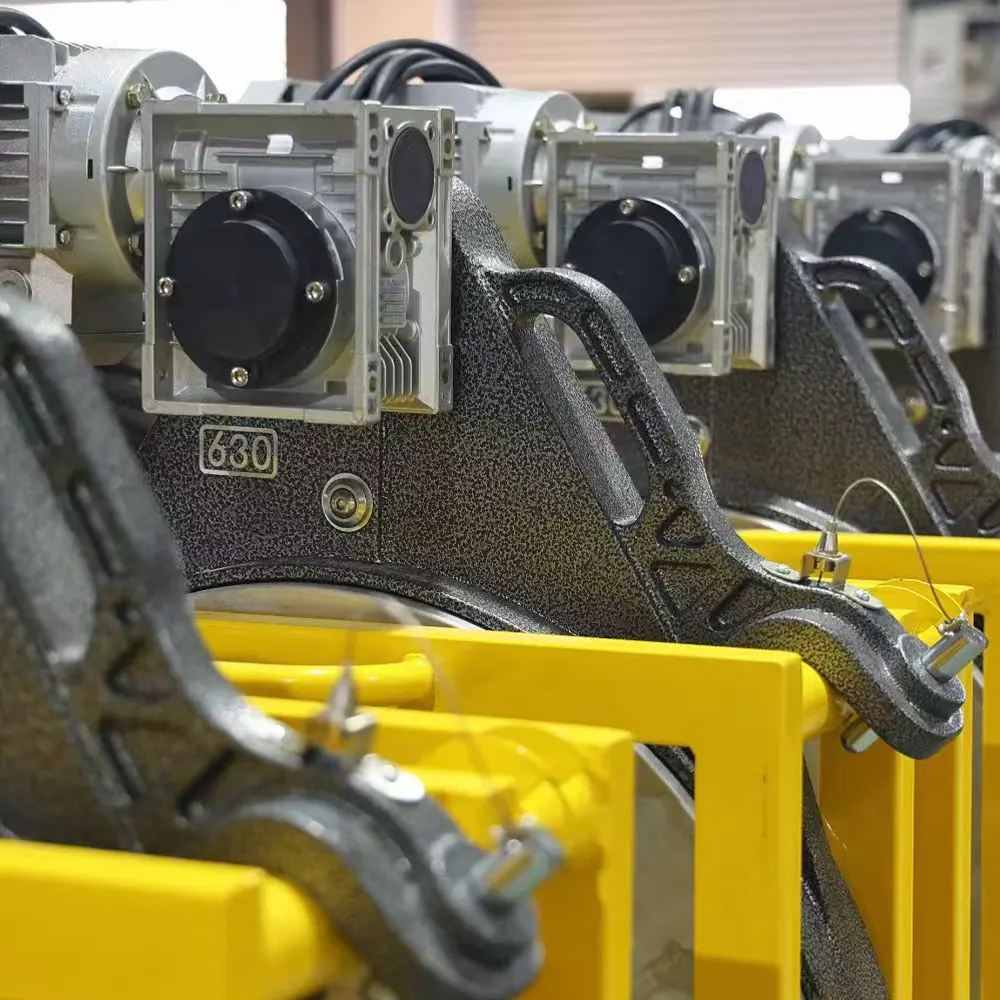
This is where reliable equipment matters. Contractors who use a proven butt fusion machine can train operators on stable, repeatable procedures that reflect real working conditions. Training becomes more effective when the machine itself supports consistent temperature control, hydraulic stability, and clamp alignment. That consistency builds confidence and improves learning speed.
In addition, training should reflect the demands of different project environments. A water pipeline job may prioritize cleanliness and pressure integrity, while a gas distribution project may demand stricter quality documentation and tighter compliance checks. The guide should teach workers how to adapt procedures without compromising standards.
Core Skill Areas Every Worker Must Master
To improve welding performance, the guide should focus on a few core skill areas. These are the practical abilities that directly influence joint quality, efficiency, and safety. When teams strengthen these fundamentals, overall project performance improves significantly.
1. Material understanding: Workers must know how HDPE and other pipeline materials react to heat, pressure, and cooling. Different diameters and wall thicknesses require different handling methods.
2. Machine operation: Operators should know how to start, calibrate, monitor, and shut down equipment properly. They must also understand error signals and maintenance basics.
3. Joint preparation: Surface cleaning, facing, and alignment are essential. Even high-end equipment cannot compensate for poor preparation.
4. Quality inspection: Workers must learn how to identify visible defects, record process data, and report problems before they become larger failures.
5. Safety discipline: PPE use, heat protection, pressure control, and safe work area management should be treated as non-negotiable habits.
Important: safety training should be repeated regularly, not delivered only once during onboarding. Repetition builds habits, and habits protect people.
How Technology Improves Welding Training
Training today is more effective when supported by modern machine technology and digital learning methods. Automated systems, digital displays, and precision controls help workers understand process parameters more clearly. At the same time, video lessons, interactive checklists, and mobile-accessible manuals make it easier for teams to review procedures on site.
For companies managing multiple crews, technology also helps standardize instruction. A supervisor can ensure that every operator receives the same core information, regardless of location. This is especially important for organizations working across large regions or supporting international projects.
Companies like JQ-Fusion, with experience in manual, hydraulic, and CNC automatic systems, show how manufacturing quality and training support can work together. Their focus on stable performance, testing, and customization helps contractors build training routines around reliable equipment. When the machine platform is stable, workers can focus more on mastering the process and less on correcting inconsistent results.
Why Quality Control Must Be Part of Every Training Program
Quality control is not only an inspection task at the end of the process. It should be embedded in the training itself. Workers need to understand why each procedure matters and how each step affects the final joint. When trainees see the relationship between preparation, execution, and inspection, they are more likely to follow the process carefully.
A well-trained workforce knows how to document procedures, verify temperature settings, check pressure stability, and inspect clamp alignment before welding begins. These habits reduce variability and improve traceability. On large projects, this can save significant time and cost because issues are caught earlier.
To reinforce quality awareness, trainers can use real examples of good and bad welds, process logs, and case studies from field operations. Practical comparisons help workers understand what acceptable results look like and why they matter.
Building a Training System That Works in the Field
Training should be designed for actual field conditions, not only classroom environments. A useful guide must address dust, weather, time pressure, equipment transport, and communication across teams. Welders often work in challenging environments where quick decisions matter, so the training must prepare them for realistic scenarios.
A strong system usually includes four phases:
Phase 1: classroom or digital introduction to concepts, safety, and equipment basics.
Phase 2: supervised hands-on practice with real machines and pipe samples.
Phase 3: performance assessment through observation, testing, and quality checks.
Phase 4: continuous improvement through refreshers, feedback, and problem-solving sessions.
This structure keeps learning practical and measurable. It also allows managers to identify where workers need more support. Some may need additional practice with machine setup, while others may need help understanding safety documentation. The guide should be flexible enough to address both.
The Role of Customization in Training and Equipment Selection
Not every project has the same requirements. Pipe diameter, voltage standards, branding needs, operational preferences, and site conditions can all influence the ideal training approach. That is why equipment suppliers and contractors should work together to create customized training materials that reflect the actual machines and configurations in use.
Customization also improves adoption. Workers learn faster when the guide uses the same terminology, layout, and operating sequence as the equipment they handle daily. This reduces confusion and makes the training feel more relevant. When customization is supported by strong manufacturing capability and responsive technical guidance, the workforce gains a better foundation for long-term performance.
For contractors seeking reliable supply and support, it helps to partner with manufacturers that offer technical guidance, quality assurance, and global shipping capability. These strengths contribute to smoother implementation and more effective workforce development.
How Safety Culture Improves Long-Term Results
A training guide is only as strong as the safety culture behind it. If supervisors ignore unsafe habits or rush workers through procedures, the guide loses value. But when leaders consistently reinforce standards, workers begin to treat safety as part of quality rather than as a separate requirement.
Strong safety culture is built through daily behavior: using protective gear, respecting machine limits, following lockout procedures where required, and reporting issues immediately. Over time, these behaviors reduce incidents and create a more professional work environment. Teams that feel protected are also more likely to stay engaged and perform well.
Safety culture should be visible in toolbox talks, shift meetings, inspection routines, and corrective action processes. The training guide should support all of these activities with simple language and clear expectations.
Practical Tips for Managers and Trainers
If you are building or improving a workforce training guide, focus on clarity, repeatability, and field usefulness. Avoid long theoretical sections that workers will not use. Instead, make each topic directly relevant to a task they perform on site.
Useful tips include:
• Keep instructions short and action-oriented.
• Use consistent terminology across all training materials.
• Add checklists for setup, operation, and shutdown.
• Include photos or diagrams in supporting documents outside the HTML content.
• Review training results regularly and update the guide when procedures change.
When managers apply these principles, the training becomes easier to maintain and more effective over time. This creates a workforce that is not only skilled, but also adaptable and safety-conscious.
Conclusion
The best pipeline welding workforce training guide is one that combines technical knowledge, hands-on practice, and strict safety standards into one practical system. It should be easy to follow, relevant to real equipment, and flexible enough to support different project types. Most importantly, it should help workers produce consistent, high-quality welds while protecting themselves and their teammates.
For pipeline contractors and distributors, investing in training is investing in reliability. When workers understand the process, trust the equipment, and follow safety procedures, projects run more smoothly and deliver better long-term value. A strong guide does not just teach people how to weld; it helps build a safer, more capable, and more professional workforce.
FAQ
Q1: What is the most important part of pipeline welding training?
The most important part is combining safety, machine operation, and quality control into one practical learning system. Workers need to know both how to weld and how to avoid hazards.
Q2: Should training be different for manual and automatic welding machines?
Yes. The core principles are similar, but setup steps, controls, and troubleshooting methods can differ. Training should match the actual equipment used on site.
Q3: How often should welding training be refreshed?
Training should be refreshed regularly, especially when equipment changes, project requirements shift, or safety standards are updated. Repetition helps maintain good habits.
Q4: Why is hands-on practice so important?
Hands-on practice helps workers develop confidence, accuracy, and familiarity with real operating conditions. It is the best way to turn theory into reliable field performance.
Q5: Can a good machine improve training results?
Yes. Stable, well-designed equipment makes it easier for trainees to learn correct procedures and recognize proper operating conditions. Consistent performance supports better learning and better welds.



