
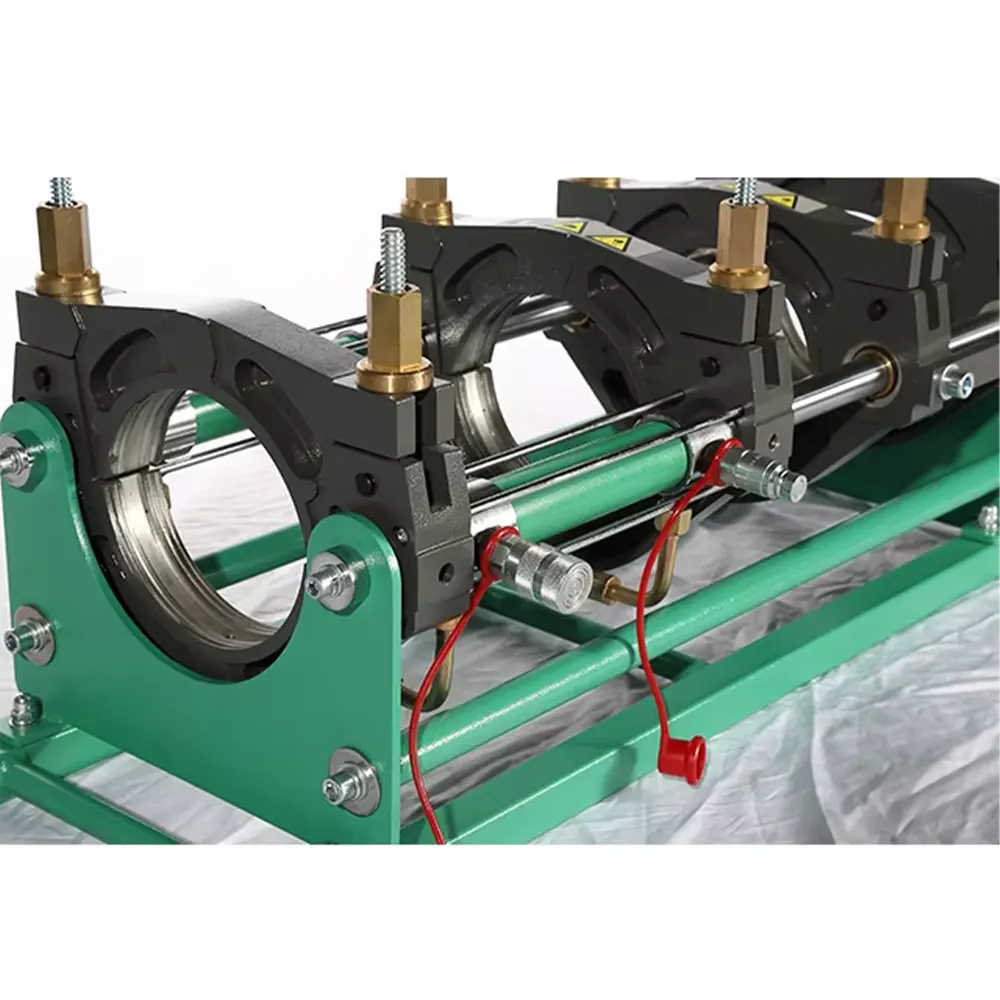
For contractors working on water supply, gas distribution, mining, and industrial pipeline projects, the decision to invest in welding equipment is never just about buying a machine. It is about choosing a tool that protects project quality, controls long-term costs, reduces downtime, and supports business growth. A smart butt fusion machine investment can improve site productivity, strengthen weld consistency, and help a contractor complete more jobs with fewer operational risks.
When contractors search for the best pipeline welding equipment investment guide, the real question is not which machine is the cheapest. The right question is which equipment delivers the best value across project size, pipe diameter range, labor efficiency, maintenance needs, compliance, and future expansion. That is why procurement decisions should be based on total return on investment, not only upfront price.
1. Define Your Project Needs Before Buying
Every contractor should begin by identifying the actual scope of work. The best machine for a small municipal water project may be unsuitable for a large gas distribution contract. Pipe diameter range, wall thickness, material type, jobsite conditions, welding frequency, and crew skill level all affect the ideal equipment choice.
Key point: Do not select equipment only for one project. Choose welding machines that can support current workloads and future contract opportunities.
For example, a contractor focusing on HDPE pipeline construction should evaluate whether the machine can cover the full range of pipe sizes used in the field. A wider diameter capacity may cost more initially, but it can prevent the need for additional purchases later and improve equipment utilization across multiple projects.
2. Understand the Main Types of Pipeline Welding Equipment
Contractors usually compare manual, hydraulic, and CNC automatic butt fusion systems. Each category serves a different level of project complexity, production demand, and labor availability.
Manual butt fusion machines are suitable for smaller budgets, short-distance jobs, and crews that need simple operation with lower capital expenditure.
Hydraulic butt fusion machines offer stronger clamping force, better alignment, and more stable results for medium to large pipeline projects.
Automatic and CNC systems provide precise control, higher repeatability, and reduced operator dependence, making them ideal for contractors managing large-scale or technically demanding projects.
The best investment is often the machine that matches your labor model. If your team is highly experienced, a hydraulic setup may be enough. If labor skill levels vary or productivity targets are strict, automation can help maintain consistent weld quality and reduce human error.
3. Evaluate Total Cost of Ownership
A pipeline welding machine should be evaluated over its full lifecycle. Total cost of ownership includes the purchase price, fuel or electricity usage, maintenance frequency, replacement parts, operator training, downtime risk, and transport costs.
Many contractors focus only on the lowest quote, but low-cost equipment can become expensive when it breaks down often, requires frequent recalibration, or produces inconsistent welds. Poor weld quality can trigger rework, delay handover, and harm a contractor’s reputation with project owners.
Tip: Ask suppliers for data on service life, spare part availability, and maintenance intervals before making a final purchase decision.
4. Focus on Performance That Improves Jobsite Productivity
The best pipeline welding equipment should make field operations faster, safer, and more predictable. Productivity gains come from features such as stable hydraulic pressure, accurate temperature control, easy alignment, quick setup, and reliable clamping strength. When these elements work well together, crews can complete more joints per day with fewer interruptions.
Modern welding machines should also support practical field conditions. Contractors often work in remote areas, challenging weather, or tight installation spaces. Equipment with robust design, easy transport, and intuitive operation helps reduce stress on crews and improves overall project execution.
5. Prioritize Accuracy and Quality Control
In pipeline welding, small deviations can create major problems. Temperature inconsistency, poor clamp alignment, or unstable hydraulic pressure may all weaken the final joint. That is why quality control features are critical in any equipment investment.
Contractors should look for machines that are tested for temperature accuracy, hydraulic pressure stability, and clamp alignment inspection. Reliable performance helps reduce weld defects and supports compliance with project standards. For high-value contracts, that reliability can be more important than a slightly lower purchase price.
Important: Better quality control leads to fewer rejected welds, lower repair costs, and stronger confidence from clients and inspectors.
6. Choose a Supplier That Supports Long-Term Growth
A welding machine is only as valuable as the support behind it. Contractors should choose suppliers with proven manufacturing capability, strong technical support, spare part availability, and responsive after-sales service. A reliable supplier reduces project risk and helps equipment remain productive for years.
JQ-Fusion, for example, focuses on HDPE pipe welding machines for global pipeline projects and offers manual, hydraulic, and CNC automatic butt fusion solutions. With more than 20 years of experience, advanced production lines, and strict quality control, it provides contractors with equipment designed for practical jobsite performance and long-term use.
The company’s flexible OEM and ODM customization also matters for contractors who need specific voltages, color options, machine branding, or project-based configurations. This is especially useful for distributors and large contractors building their own market identity. You can explore product categories such as Hydraulic Butt Fusion Welding Machine, Automatic Butt Fusion Welding Machine, and Electrofusion Welding Machine to compare options.
7. Look at Certification, Safety, and Compliance
Contractors should never ignore certifications. Internationally recognized testing and compliance reduce the chance of equipment failure and increase trust during procurement reviews. Certified machines are easier to approve for global projects and can strengthen a contractor’s professional image.
For pipeline work in water, gas, and industrial systems, safety is not optional. Certified welding equipment supports safe operation and helps ensure that every weld is completed under controlled and repeatable conditions.
8. Make OEM and Inventory Advantages Part of the Investment Decision
Contractors and distributors benefit from suppliers that keep ready stock and offer fast delivery. When project timelines are tight, inventory availability can be as valuable as machine performance. Delays in equipment arrival can affect labor scheduling, project milestones, and client satisfaction.
A supplier with large inventory and fast shipping support can help reduce downtime and keep project execution on track. This is especially important for urgent infrastructure work where missed deadlines can lead to penalties or lost contracts.
Business advantage: Custom branding, reliable supply, and quick delivery can help contractors expand into new markets with greater confidence.
9. Build a Purchase Strategy Around ROI
A practical investment strategy starts with comparing expected job volume against equipment capability. If a machine can complete more welds per shift, reduce rework, and support more pipe sizes, its payback period becomes shorter. Over time, that improved efficiency can have a stronger financial impact than a lower initial purchase price.
Contractors should also consider whether the machine helps win more projects. Equipment that performs well, looks professional, and meets market expectations can improve bid competitiveness and create opportunities for repeat business.
10. What JQ-Fusion Brings to Contractors
For contractors seeking dependable pipeline welding solutions, JQ-Fusion stands out with a strong focus on durability, customization, and global support. Its products are used in water supply systems, gas distribution networks, mining projects, and industrial pipeline installations around the world.
The company’s strengths include advanced manufacturing technology, strict quality control, flexible OEM and ODM capability, stable stock supply, and technical support throughout the equipment lifecycle. For businesses looking to invest in a butt fusion machine that balances performance and long-term value, these qualities are highly relevant.
Conclusion
The best pipeline welding equipment investment for contractors is the one that fits project demands, improves jobsite productivity, reduces lifecycle cost, and comes from a supplier that can support long-term operations. By evaluating machine type, performance, quality control, supplier reliability, certification, and ROI, contractors can make a purchasing decision that strengthens both current delivery and future growth.
A well-chosen welding system is more than equipment. It is a business asset that protects project quality, supports operational efficiency, and builds trust with clients.
FAQs
Q1: What is the most important factor when investing in pipeline welding equipment?
Project suitability is the most important factor. The machine must match pipe size range, jobsite conditions, and expected production volume.
Q2: Is a hydraulic butt fusion machine better than a manual one?
For larger or more frequent projects, hydraulic machines usually provide better alignment, stronger clamping, and more consistent welding results.
Q3: Why does supplier support matter so much?
Strong supplier support helps with training, maintenance, spare parts, and troubleshooting, which reduces downtime and protects project schedules.
Q4: How can contractors reduce long-term equipment costs?
Choose durable machines, maintain them properly, ensure operator training, and compare total cost of ownership instead of only the initial price.
Q5: Can one welding machine support multiple project types?
Yes, if it has the right diameter capacity, stable performance, and flexible configuration options for different pipeline applications.



