
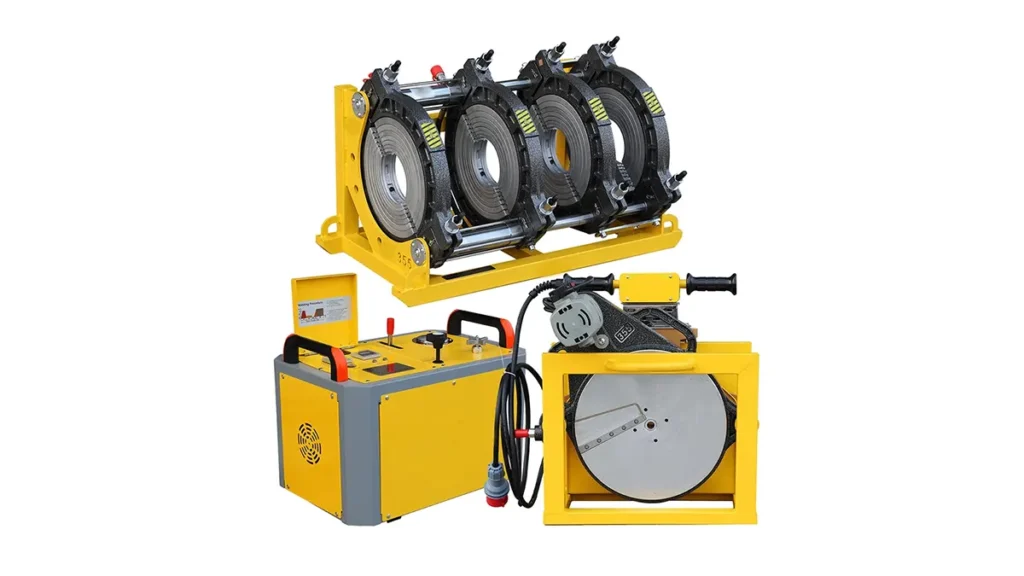
Choosing the best HDPE welding machine factory for projects in Iraq means balancing durability, local support, and equipment suited to hot, dusty conditions and large infrastructure needs. This guide helps contractors, municipal engineers, and pipeline installers in Iraq evaluate options, select the right machine type, and plan delivery and service.
Why HDPE Welding Matters for Iraqi Infrastructure
Iraq’s ongoing infrastructure development—water distribution, gas networks, agriculture irrigation, and oilfield utilities—relies heavily on HDPE systems because of corrosion resistance and long service life. In this environment, welding quality directly affects leak prevention, project longevity, and maintenance costs. Selecting a factory that supplies robust butt-fusion and electrofusion machines tailored for regional challenges is essential.
Types of HDPE Welding Machines and When to Use Them
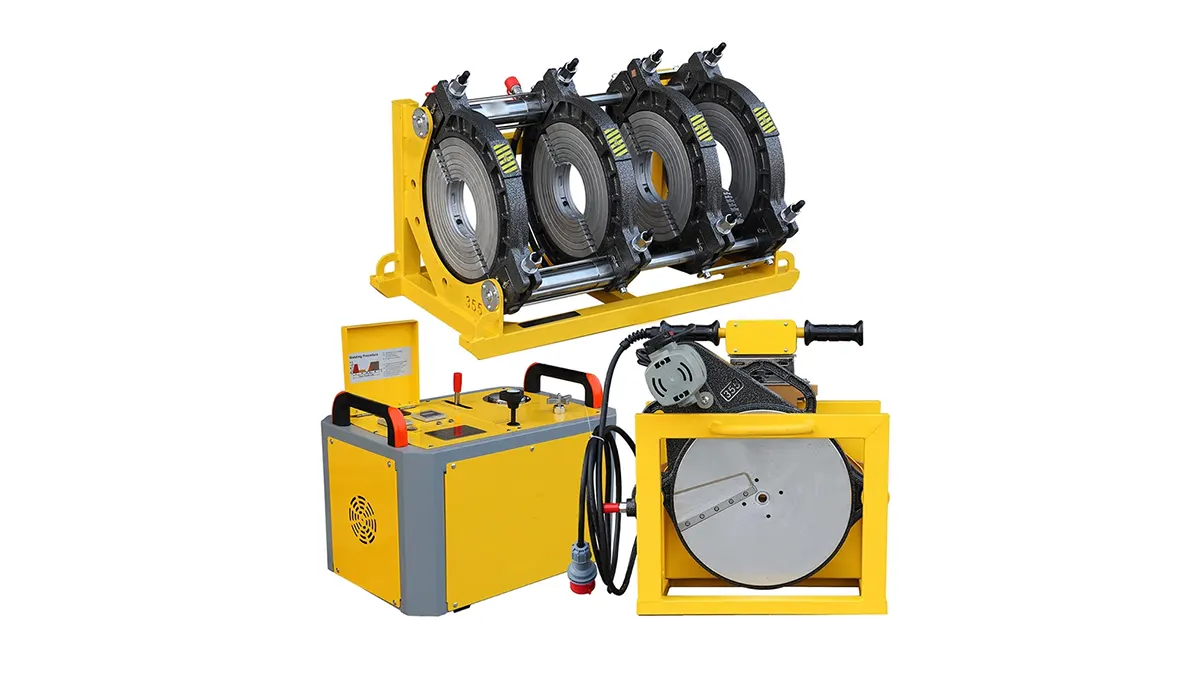
Different project scales and site conditions in Iraq require different welding systems. Consider machine type, portability, automation level, and maintenance simplicity when choosing.
| Machine Type | Best For | Typical Pipe Range | Key Benefits |
|---|---|---|---|
| Manual Butt Fusion | Remote sites, small crews | 16mm – 630mm | Simple, affordable, field-serviceable |
| Hydraulic Butt Fusion | Medium to large diameter pipelines | 63mm – 2000mm+ | Stable pressure control, faster cycles |
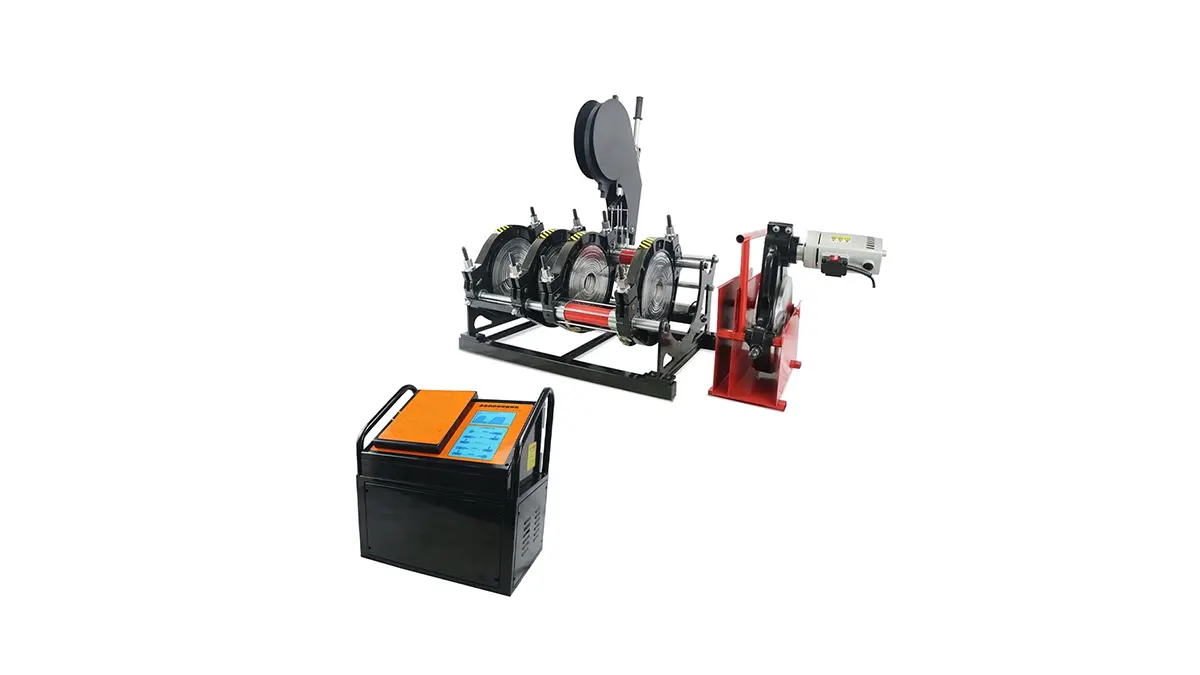
| Automatic / CNC Butt Fusion | High-volume factory or on-site production | 40mm – 1600mm | Precision, digital control, repeatability |
| Electrofusion | Fittings, repairs, tight spaces | 20mm – 1600mm (fitting dependent) | Quick joints, ideal for urban repair work |
| Multi-angle Fitting Machines | Complex fittings and branch welding | Varies by model | Versatile for complex pipeline geometry |
Selection Criteria for Iraqi Projects
Environmental resilience: Machines must resist high ambient temperatures, sand/dust ingress, and variable power supply. Look for sealed controls, robust hydraulics, and cooling provisions.
Portability vs. capacity: For rural irrigation and repair work, portable manual units are ideal. For major municipal or oilfield programs, hydraulic or CNC automatic machines increase throughput.
Spare parts and consumables: Quick access to heating plates, trims, clamps, and controllers reduces downtime. Prioritize suppliers who can ship spares to Basra or Baghdad quickly.
Training and local support: Machines with clear manuals and available on-site training in Arabic or English minimize operator error. Remote diagnostic support is a strong advantage for projects far from major cities.
Certifications, Warranty and After-Sales
Verify factory quality with ISO and CE where applicable, documented welding procedures, and manufacturing test reports. Confirm warranty terms, availability of replacement parts, and whether the supplier offers calibration and pressure testing services. Strong after-sales reduces lifecycle costs and ensures safer networks.
Shipping, Customs and Local Delivery Considerations
When importing into Iraq, evaluate shipping options to Basra or Umm Qasr, expected customs clearance times, and whether the factory assists with export documentation. Payment flexibility, local pickup partners, and a supplier willing to coordinate logistics shorten lead times for urgent infrastructure projects.
A Practical Recommendation
If you need a reliable factory partner that produces a wide range of manual, hydraulic, and CNC automatic butt fusion machines and supports global projects, consider contacting JQ-Fusion: https://jq-fusionwelding.com/. Their portfolio covers small to large diameters, and they provide customization, spare parts supply, and technical support suited to demanding field environments.
Next steps: Define your typical pipe diameters, expected daily joint count, and remote site conditions. Share these details with suppliers to get tailored quotes, lead times, and training options so you can select the best machine for projects in Iraq.



