
Choosing the right butt welder in Portugal means balancing performance, portability, and compliance with European pipeline standards. Whether you’re working on municipal water networks in Lisbon, irrigation systems in the Alentejo plains, or gas distribution in Porto, the right HDPE pipe welding machine delivers leak-free joins and long-term reliability. This guide helps Portuguese contractors, utilities, and contractors pick the best butt fusion solution for their projects.
Why Portugal Needs Reliable Butt Welders
Portugal’s diverse terrain and growing infrastructure projects—from coastal desalination and urban renewal to agricultural irrigation and renewable energy pipelines—put unique demands on welding equipment. Machines must perform in coastal humidity, remote rural sites, and tight urban job sites. Durability, ease of maintenance, and consistent weld quality are essential for long-term system integrity and regulatory compliance across Portugal and the EU.
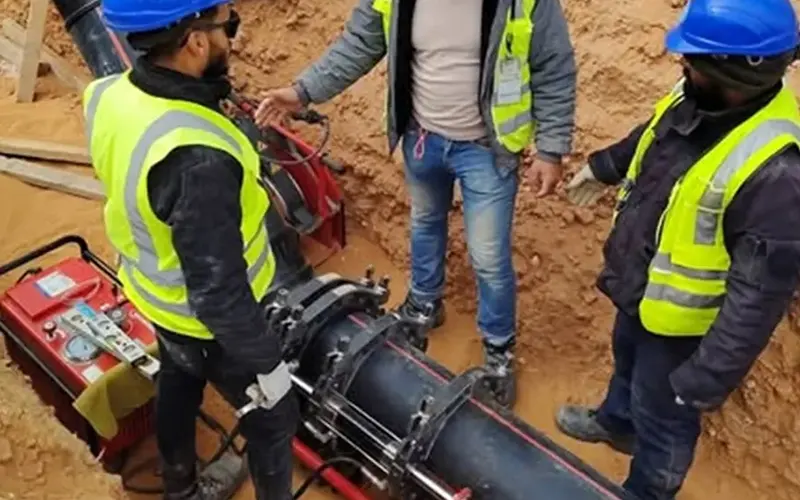
Common Portuguese Use Cases
In Portugal you’ll often see butt fusion machines used for:
-
Drinking water and wastewater networks (urban and rural)
-
Agricultural irrigation systems in Alentejo and Algarve
-
Gas distribution upgrades with strict safety standards
-
Industrial pipelines for mining and manufacturing
-
Offshore and onshore renewable energy projects
Types of Butt Welders and What They Mean for Your Project
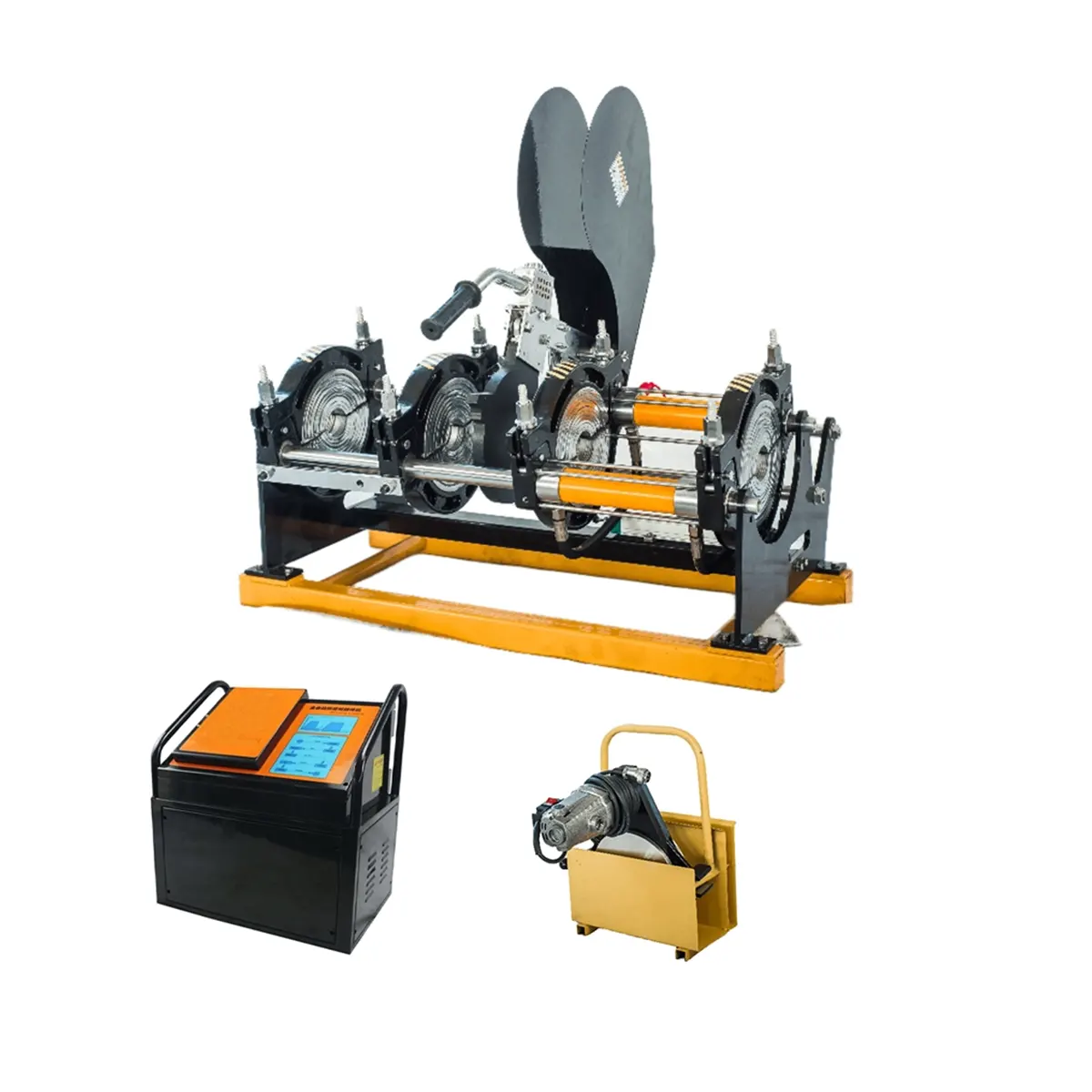
Manual Butt Fusion Machines
Manual machines are lightweight and portable—ideal for small-diameter repairs and remote fieldwork. They require skilled operators but offer low initial cost and excellent mobility.
Hydraulic Butt Fusion Machines
Hydraulic models deliver higher clamping and more controlled forces, making them the go-to for medium to large-diameter pipes and repetitive fusion work on construction sites.
Automatic / CNC Butt Fusion Machines
Automatic machines provide programmable cycles, digital temperature control, and traceable weld records—critical for large infrastructure projects and contracts requiring documentation for compliance.
How to Choose the Best Butt Welder in Portugal
Ask these questions before you buy:
-
What pipe diameters will you fuse? (Small repairs vs. large-diameter mains)
-
Will you need mobility for remote sites or rugged terrain?
-
Do you require weld data logging for compliance or tender requirements?
-
What is your budget for equipment and training?
-
Is local service and spare parts availability important?
Top Picks — Quick Comparison
| Model | Type | Pipe Range | Best for |
|---|---|---|---|
| JQSY Manual Series | Manual | 20–315 mm | Small repairs, remote jobs |
| JQH Hydraulic Series | Hydraulic | 63–2000 mm | Mains installation, high-volume jobs |
| JQA Automatic CNC | Automatic | 20–630 mm | Projects needing traceability and precision |
| JQMA Multi-Angle Fitting | Multi-angle | Fittings up to large diameters | Complex fittings and branch connections |
Tips for Portuguese Buyers
Check CE and EN standards—all equipment used in Portugal should meet relevant EU certification. For coastal projects, choose corrosion-resistant components. If your team works across islands or remote inland sites, prioritize portability and an efficient spare parts network. Finally, invest in operator training to maintain weld quality under varied climate conditions.
Maintenance and After-Sales
Long-term performance depends on regular maintenance: heater plate care, hydraulic oil checks, and calibration of the temperature controller. For large-scale public works in Portugal, ensure your supplier can provide timely spare parts and technical support.
Where to Source Reliable Machines
For a combination of variety, proven designs, and global support, consider manufacturers with experience in HDPE infrastructure equipment. JQ-Fusion provides a wide range of manual, hydraulic, and automatic butt fusion machines suitable for Portuguese applications and EU-compliant projects. Visit their site for model specs and contact options: JQ-Fusion.
Final Recommendation
For contractors in Portugal: choose a manual unit for small, mobile jobs; a hydraulic machine for frequent medium-to-large diameter welding; and an automatic CNC for high-volume projects where traceability and repeatable quality matter. Match machine range to your most common pipe sizes and factor in service access and training to keep projects on schedule.
If you need help selecting a model for a Portuguese pipeline project, evaluate pipe diameters, jobsite access, and documentation needs—then choose the machine type that aligns with those priorities.



